Clan Cunningham
The family takes its name from the district of Cunninghame in north Ayrshire. Its documented progenitor is Warnebald, a vassal of Hugh de Morville, Constable of Scotland, who received lands at Kilmaurs around 1135 to 1140. The first chief named in contemporary record is Hervey de Cunningham, who fought at the Battle of Largs in 1263 and was rewarded with a charter of the lands of Kilmaurs from Alexander III. Further lands followed by royal charter in 1319, and in 1399 Sir William Cunningham acquired Finlaystone in Renfrewshire by marriage, along with Glencairn in Dumfriesshire — the estate that would later name the earldom.
Alexander Cunningham was created 1st Earl of Glencairn on 28 May 1488. The clan’s defining conflict was its long feud with Clan Montgomery, running from about 1488 to 1586 and including the burning of Kerelaw Castle and the murder of the 4th Earl of Eglinton. The 3rd Earl of Glencairn was killed at Flodden in 1513; the 9th Earl led the royalist rising against the Cromwellian occupation in 1653 and 1654 that still carries his name. The earldom fell dormant on the death of the 15th Earl in 1796, and the chiefship stood vacant for more than two centuries until Sir John Christopher Foggo Montgomery Cuninghame of Corsehill petitioned the Lord Lyon in 2010 and was recognised on 18 December 2013.
The Cunningham tartan
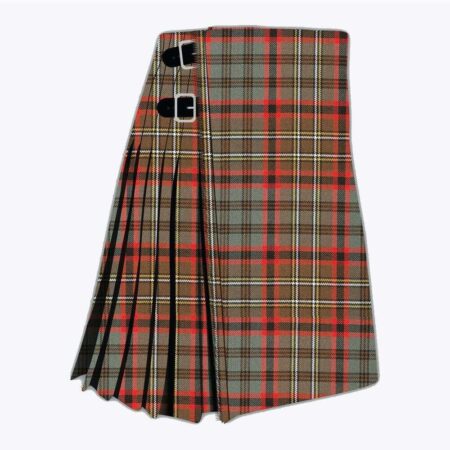
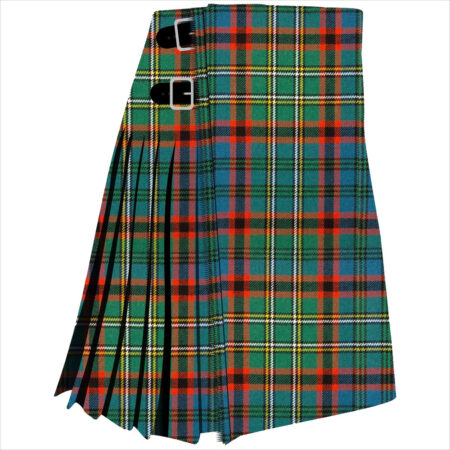
The familiar red and black Cunningham sett is a nineteenth-century creation. It appears as “Connyngham”, Plate 49 of the Vestiarium Scoticum of 1842 — the Sobieski Stuart brothers’ publication, now generally accepted as a forgery after an 1895 chemical test showed its supposed source manuscript had been artificially aged. One detail is worth knowing: the Vestiarium printed the guard lines as “blew”, blue, and later commercial recorders rendered them black. Black is what is woven today.
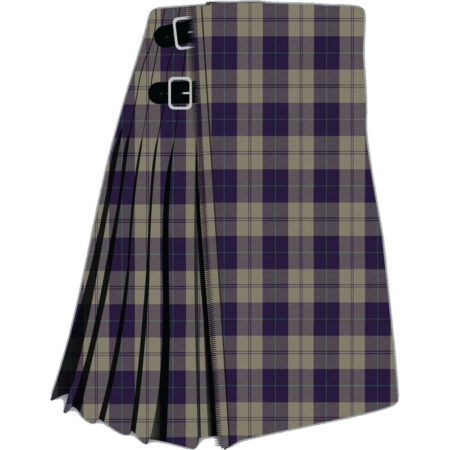
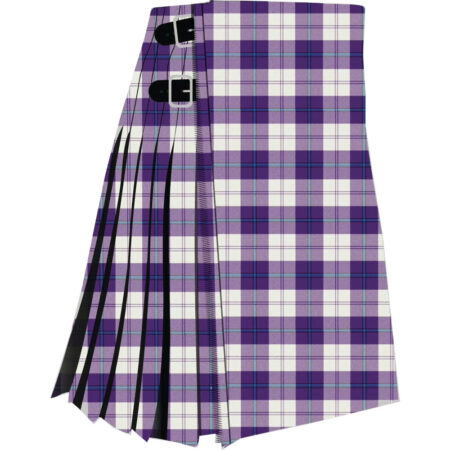
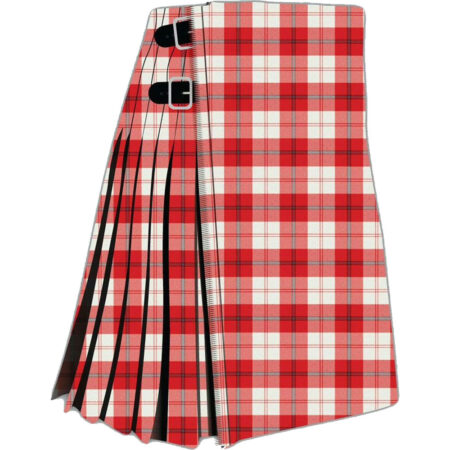
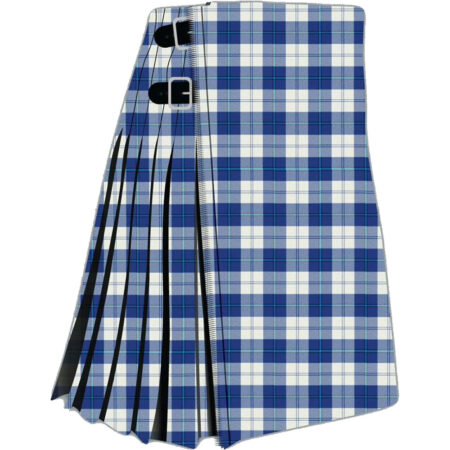
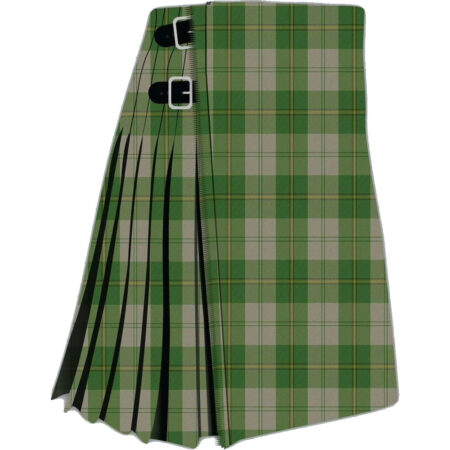
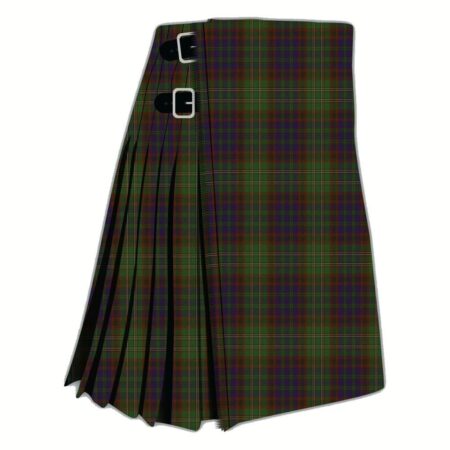
Separately, the Register records Cunningham / Wilsons’ No.120, an independent pattern from Wilsons of Bannockburn, and a Cunningham Hunting sett. The four Dress and dance variants are modern designs by Hugh Macpherson, an Edinburgh kiltmaker, not historic clan setts.
A note on honesty: Cunningham Ancient, Weathered and Reproduction are colourways of the same threadcount, not separate tartans. And the popular story that the motto and the fork in the arms commemorate a Cunningham hiding Malcolm Canmore under hay is a legend, not documented history.
Clan facts
| Chief | Cunninghame of that Ilk; Sir John Christopher Foggo Montgomery Cuninghame of Corsehill, 12th Baronet, recognised by the Lord Lyon 18 December 2013 |
|---|---|
| Motto | Over Fork Over |
| Crest | A unicorn’s head Argent, armed and maned Or |
| Lands | The district of Cunninghame, north Ayrshire; Kilmaurs; Finlaystone in Renfrewshire from 1399; Glencairn in Dumfriesshire |
No plant badge is recorded for Clan Cunningham in the sources we checked, so none is listed above.
References
Cunningham kilts & outfits
Every piece below is made to measure by Kilt 4 Less in the Cunningham tartan. Choose a product, then pick your size and options.
Clan Cunningham Hunting Weathered Tartan Kilt
Original price was: £241.80.£159.00Current price is: £159.00.View kiltCunningham Hunting Ancient Tartan Kilt
Original price was: £241.80.£159.00Current price is: £159.00.View kiltCunningham Dress Blue Dancers Tartan Kilt
Original price was: £241.80.£159.00Current price is: £159.00.View kiltCunningham Dress Purple Tartan Kilt
Original price was: £241.80.£159.00Current price is: £159.00.View kiltCunningham Dress Red Tartan Kilt
Original price was: £241.80.£159.00Current price is: £159.00.View kiltCunningham Dress Royal Blue Tartan Kilt
Original price was: £241.80.£159.00Current price is: £159.00.View kiltCunningham Dress Green Dancers Tartan Kilt
Original price was: £241.80.£159.00Current price is: £159.00.View kiltCunningham Hunting Modern Tartan Kilt
Original price was: £241.80.£159.00Current price is: £159.00.View kiltMen’s 8 Yard Prince Charlie Kilt Outfit
Original price was: £499.00.£315.00Current price is: £315.00.ConfigureMcCalls Highland Kilt Outfit With Argyll Jacket
Original price was: £510.00.£325.00Current price is: £325.00.ConfigureScottish Wedding Men Kilt Outfit
Original price was: £700.00.£304.00Current price is: £304.00.ConfigureForest Green Tweed Jacket Kilt Outfit
Original price was: £489.00.£249.99Current price is: £249.99.Configure