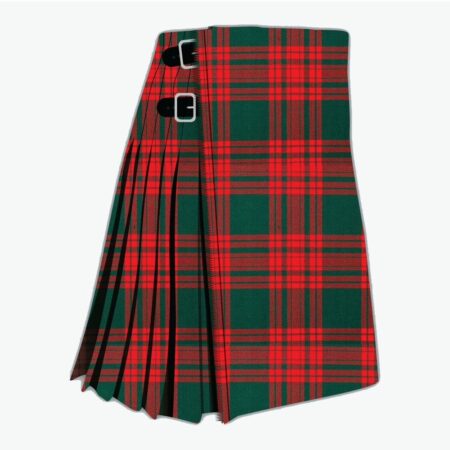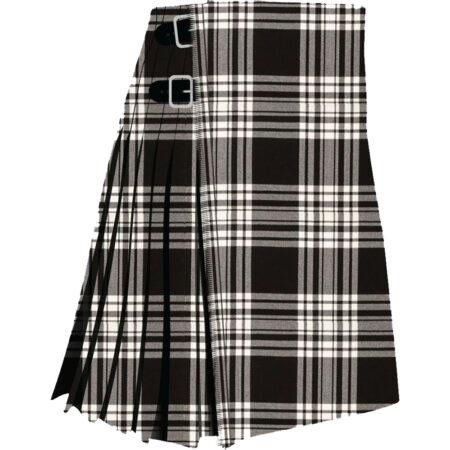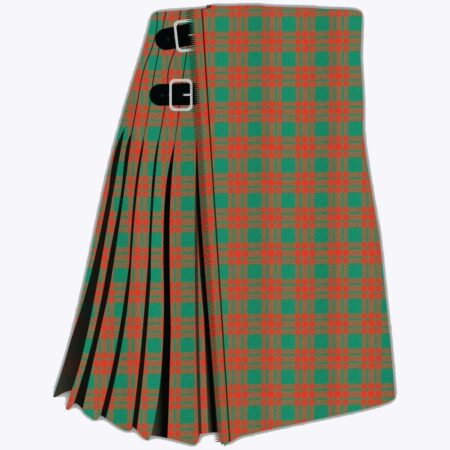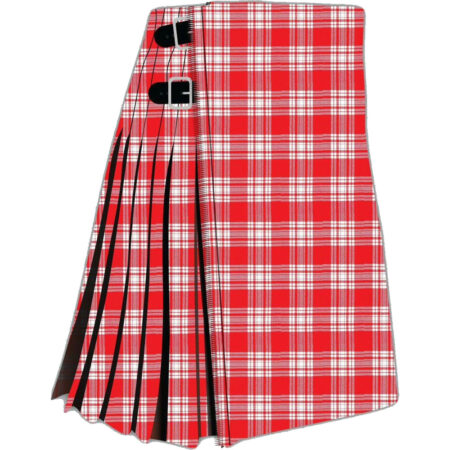
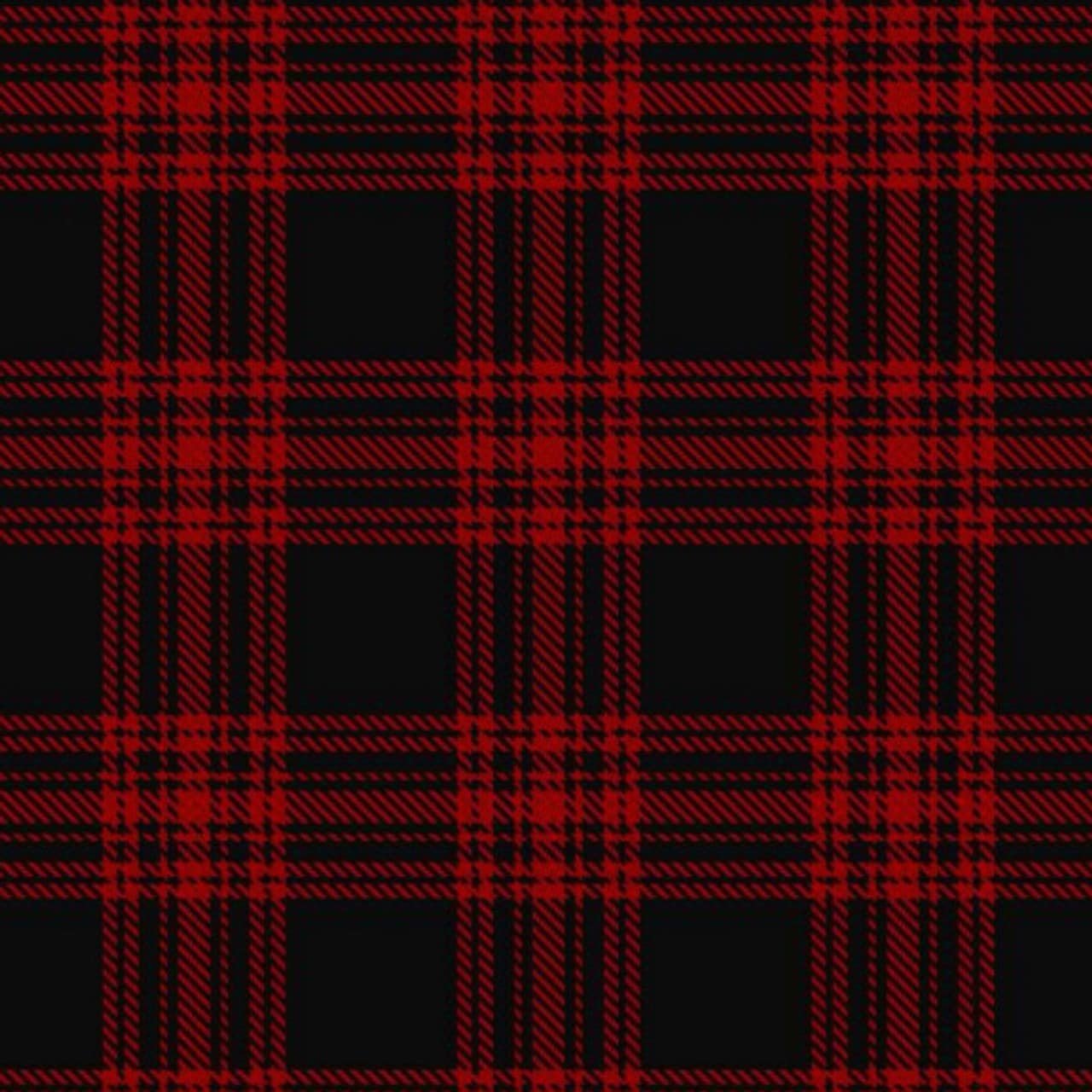
 Menzies Modern
Clan Menzies
Clan Menzies, in Gaelic Am Mèinnearach, is a Perthshire clan of the Tay valley, seated at Castle Menzies at Weem, a mile and a half from Aberfeldy. The name is not Gaelic in origin. It came into Scotland in the twelfth century with a Norman family, Robert de Maineriis of Mesnières near Rouen, and is cognate with the English surname Manners; Gaelic speakers turned it into Mèinnearach later, once feudal landholding had acquired the character of clanship. The older Scots spelling used the letter yogh, which printers eventually replaced with z, and that accident of type is why the name is still pronounced Mingis rather than as it looks. Sir Robert de Meyneris was Chamberlain of Scotland in 1249 at the court of Alexander III and was granted lands in West Atholl. Around 1266 Sir Alexander Menzies held Aberfeldy and Weem, and the family’s support for Robert the Bruce brought further grants between 1312 and 1314 in Glendochart, Finlarig, Glenorchy and Rannoch.
The eighth chief, Sir Robert Menzies, built at Weem in 1488. The Place of Weem was burned in 1502 during a quarrel with Stewart of Garth over a dowry, and the Z-plan castle standing today is the sixteenth-century replacement, seat of the chiefs for some five hundred years. In 1737 Menzies of Culdares brought the first larches into Scotland from the Austrian Tyrol and presented them to the Duke of Atholl. In the rising of 1745 the chief, Sir Robert, stayed neutral, but Charles Edward Stuart was given the hospitality of the house for two nights in 1746 on his march north to Culloden, and Cumberland’s troops occupied it shortly after. The line ended with Sir Neil Menzies, eighth baronet, who died without an heir in 1910; the contents were auctioned in 1913, the papers sold in 1914, and the estate itself in 1918. The chiefship lapsed with him and stood empty until 1957, when descendants of a cousin of the first baronet petitioned the Lord Lyon and were found entitled to the Menzies of Menzies arms. Lieutenant-Colonel Ronald Steuart-Menzies, of the Culdares branch, was recognised in 1958. The Menzies Clan Society bought the castle back and began restoring it after 1957, with major work from 1972.
The Menzies tartan
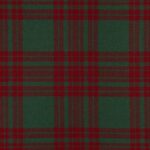
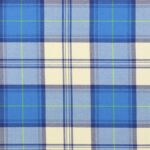
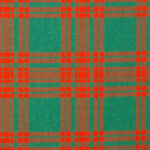
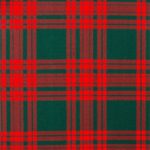
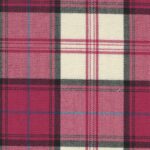
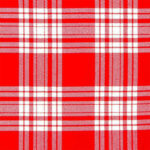
The Scottish Register of Tartans holds twelve entries under Menzies. Only one carries a named weaver of any age: Menzies #2 is recorded as a pattern of Wilsons of Bannockburn, the Stirlingshire firm whose pattern books supplied most of the tartan trade from the late eighteenth century. A second, Menzies (1815), is recorded with the designer unknown and is dated by a surviving specimen rather than by any clan tradition. Menzies Dress Blue & White is a twentieth-century design credited to Hugh MacPherson, Menzies (1938) is later again, and Menzies of Culdares is catalogued not as a clan tartan at all but under Other.
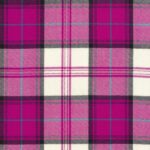
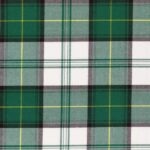
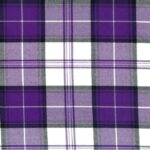
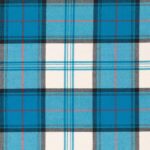
What the rest of the list records is colour rather than pattern. Alongside the familiar red and white the Register carries Menzies Black Dress, Menzies Brown & White, Menzies Green, Menzies Mauve and White and Menzies Hunting. These are recolourings of the same plain check, which is why the red-and-white Menzies is among the most instantly recognisable setts in Scotland and also among the simplest. The clan’s war cry, Geal ’us Dearg a suas, “Up with the White and Red”, at least matches the cloth.
A note on honesty: there is no Menzies tartan older than the trade that sold it. The earliest things the Register can point to are a Wilsons of Bannockburn pattern and an 1815 specimen, both from well after the 1745 rising, by which time Highland dress had been proscribed for a generation and was being reinvented as a commercial product. Menzies Hunting and the several dress setts are not separate ancestral patterns handed down for different purposes; they are alternative colourways of one check. Buying Menzies Ancient or Menzies Weathered buys the same threadcount in lighter or muted dye shades, and the Register holds no separate record for either.
Clan facts
| Chief | Robert Steuart Menzies of Menzies, hereditary chief since the death of his father, Captain David Steuart Menzies, in April 2023. Chiefly arms restored by petition to the Lord Lyon in 1957, the line having lapsed in 1910 |
|---|---|
| Motto | Vil God I Zal — “God willing I shall” |
| Slogan | Geal ’us Dearg a suas — “Up with the White and Red” |
| Plant badge | Menzies’ heath |
| Lands | Weem, Aberfeldy and the Tay valley in Perthshire, with Glen Lyon, Glendochart, Glenorchy and Rannoch; seat at Castle Menzies, Weem |
References
Versions of the Menzies tartan
Menzies kilts & outfits
Every piece below is made to measure by Kilt 4 Less in the Menzies tartan. Choose a product, then pick your size and options.
Clan Menzies Green Modern Tartan Kilt
Original price was: £241.80.£145.00Current price is: £145.00.View kiltMenzies Black & White Modern Tartan Kilt
Original price was: £189.00.£79.00Current price is: £79.00.View kiltMenzies Green Ancient Tartan Kilt
Original price was: £241.80.£159.00Current price is: £159.00.View kiltMenzies Red White Modern Tartan Kilt
Original price was: £241.80.£159.00Current price is: £159.00.View kiltMen’s 8 Yard Prince Charlie Kilt Outfit
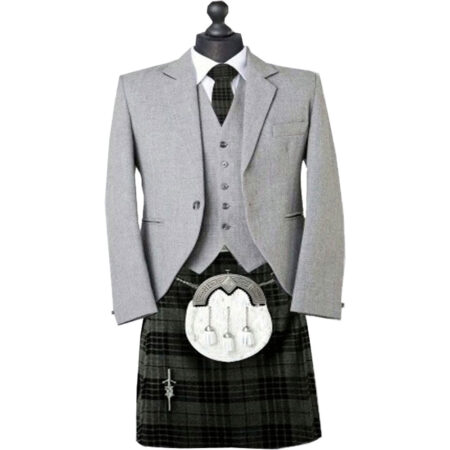
Original price was: £499.00.£315.00Current price is: £315.00.ConfigureMcCalls Highland Kilt Outfit With Argyll Jacket
Original price was: £510.00.£325.00Current price is: £325.00.ConfigureScottish Wedding Men Kilt Outfit
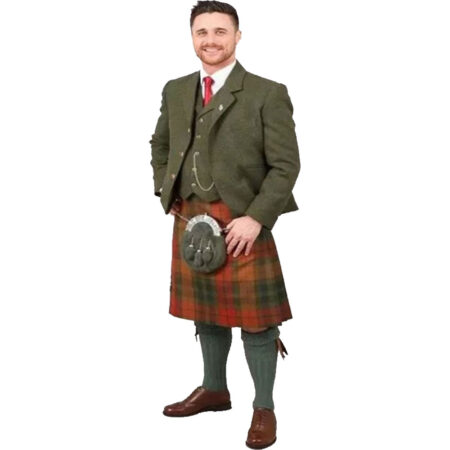
Original price was: £700.00.£304.00Current price is: £304.00.ConfigureForest Green Tweed Jacket Kilt Outfit
Original price was: £489.00.£249.99Current price is: £249.99.Configure