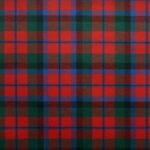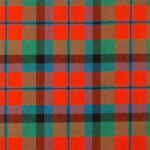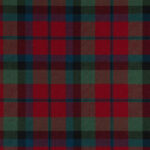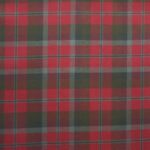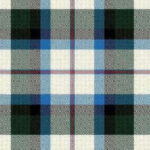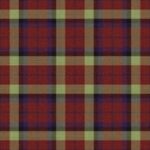
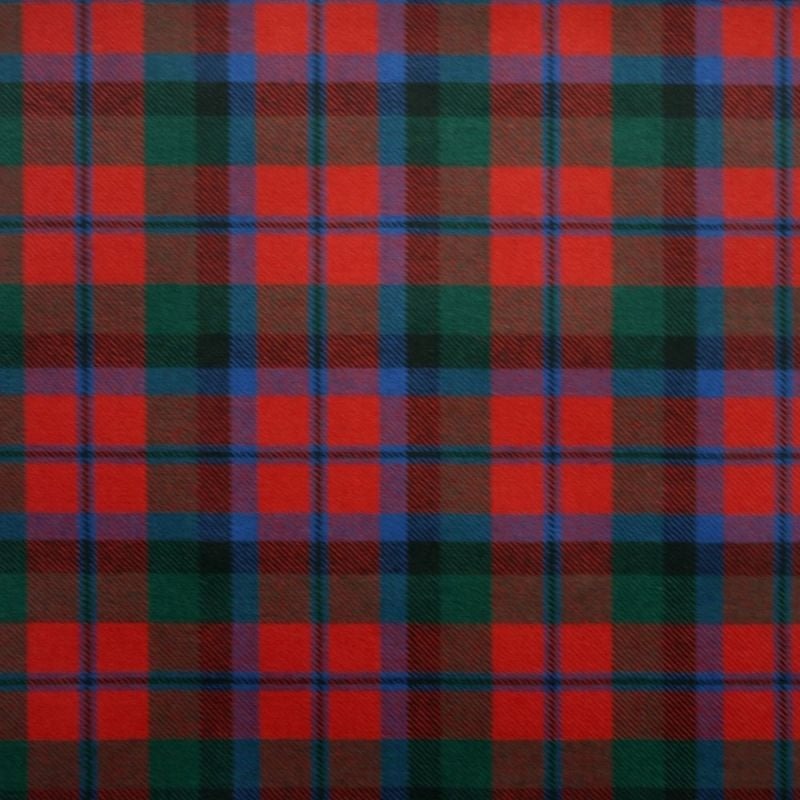
 MacNaughton Modern
Clan MacNaughton
Clan MacNaughton, in Gaelic MacNeachdain, takes its name from Nechtan, a name current among the Picts, and the clan’s own tradition traces it to the Pictish rulers of Moray. That descent is tradition rather than record. What is on record is Argyll: before 1287 Gilchrist MacNachtan held a charter from Alexander III giving him the keepership of the castle on Fraoch Eilean, the Heathery Isle in Loch Awe, and the clan held ground in Glen Shira and on Loch Fyne, where Dunderave Castle was rebuilt by Alexander MacNaughton and finished by his son Iain in 1596. The name is spelt several ways and always has been — Macnaghten, MacNaughtan, MacNaughton, Macnachtan, McNaughton, and further off McKnight and McNutt. No one spelling is the correct one.
The clan backed the losing side twice at the outset. The MacNaughtons opposed Robert the Bruce and had changed sides by the Battle of the Pass of Brander in August 1308; a Baron Macnachtan fought at Bannockburn in 1314. Alexander MacNaughton accepted Campbell overlordship in 1478, and a later Alexander was knighted by James IV and came home alive from Flodden in 1513. The losses that mattered came after the Restoration. The clan joined Glencairn’s rising against Cromwell’s occupation in 1653, and Iain MacNaughton fought as a Jacobite at Killiecrankie in 1689, which cost the family its lands by forfeiture. His son John was obliged to make a formal disposition of what remained to Sir James Campbell of Ardkinglas in 1710, and the chiefly line left for Ireland. It did not come back. In 1818 Edmond Alexander Macnaghten, of the Irish branch settled in County Antrim, was recognised as chief, and the line continued through his brother Sir Francis Workman-Macnaghten, 1st Baronet. The chiefship of this Argyll clan has therefore been held from Ulster for more than two hundred years, and the present chief’s seat is Dundarave House at Bushmills in County Antrim, not Dunderave on Loch Fyne.
The MacNaughton tartan
A search of the Scottish Register of Tartans for MacNaughton returns six records, and only four of them are registered in the clan and family category. They are MacNaughton; MacNaughton – 1831; MacNaughton Dress, credited to Jim I. Murray; and Macnaughton Hunting. The other two are Ballantrae (Macnaughtons), registered in the fashion category by House of Edgar — Macnaughton Holdings Ltd., and Montrose (Macnaughton variation), a district tartan by Marcello Castro.
The date in the second entry is the clue to the whole group. The MacNaughton sett’s documentary trail runs back to James Logan, who collected tartan information between 1826 and 1831 for The Scottish Gael. There is no Wilsons of Bannockburn attribution for this name in the Register, and no plate in the Vestiarium Scoticum.
A note on honesty: two of the six records have nothing to do with the clan. House of Edgar — Macnaughton Holdings Ltd. is a Perthshire textile firm that happens to share the surname, and the Ballantrae and Hunting entries come from that trade rather than from any clan authority; the Dress sett is a twentieth-century commercial design. Strip those out and what remains under the name is essentially one pattern, first written down by a collector in the late 1820s, more than a century after the clan lost its lands. The resemblance between the MacNaughton and MacDuff setts is sometimes offered as evidence that the MacNaughtons were a Moray people moved south, but the argument runs backwards: both patterns were recorded in the same narrow window of the early nineteenth century and cannot testify to anything in the twelfth. MacNaughton Ancient, Modern and Weathered are not three tartans; they are one threadcount woven in lighter, darker or muted dye shades, and the Register holds no separate record for any of them.
Clan facts
| Chief | Sir Malcolm Francis Macnaghten of MacNaghten, Bt., Baronet of Bushmills House; the chiefship was revived in 1818 in the Irish branch and has been held from County Antrim since |
|---|---|
| Motto | I Hope in God |
| Slogan | Fraoch Eilean — “The Heathery Isle”, the island in Loch Awe the clan held from Alexander III |
| Plant badge | Trailing azalea |
| Lands | Argyll — Fraoch Eilean in Loch Awe, Glen Shira, and Dunderave on Loch Fyne; present seat Dundarave House, Bushmills, County Antrim |