
Home › Tartans › MacGregor Ancient
MacGregor Ancient Tartan
A clan and family tartan, available to order. Everything we make in MacGregor Ancient: kilts, kilted skirts, accessories and full Highland outfits, every piece cut to your own measurements.
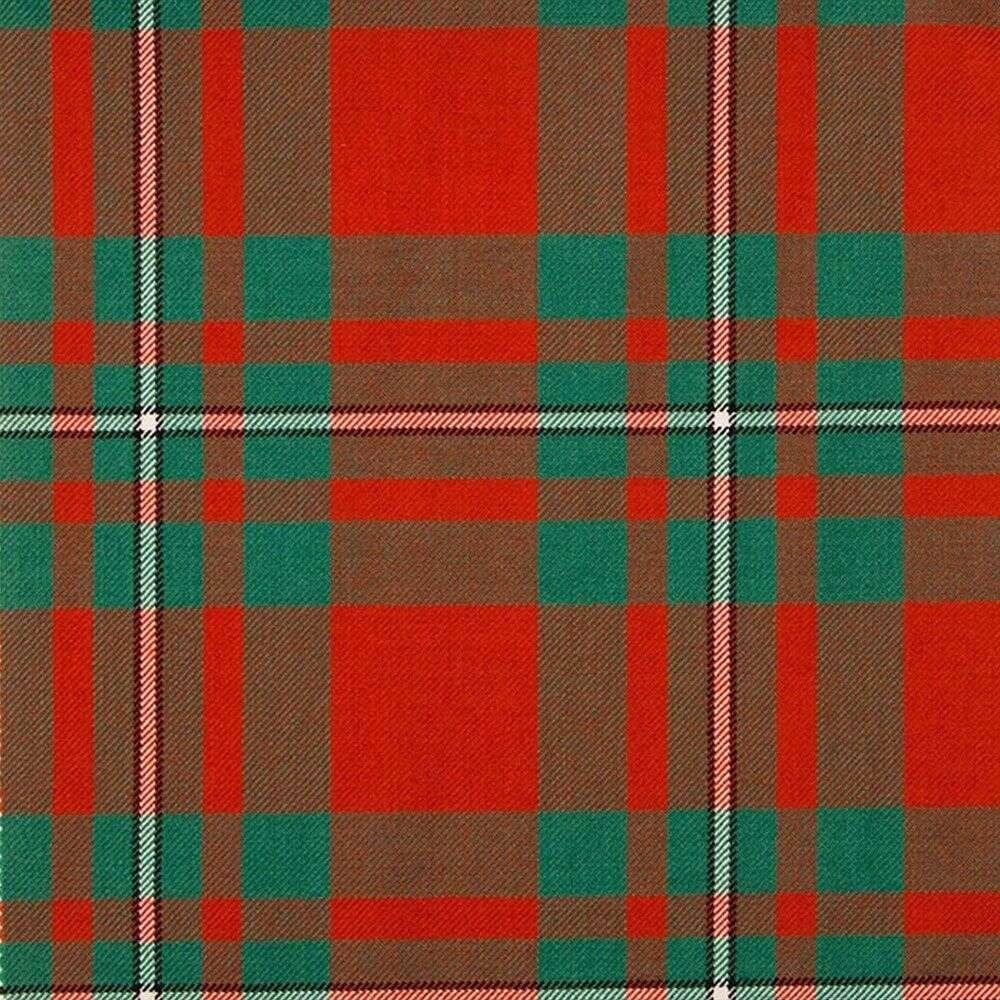
- Ancient
 Modern
MacGregor Ancient Tartan · Ancient
The MacGregor Ancient tartan, made to order by Kilt 4 Less. Choose it for a kilt, a kilted skirt, an accessory or a full Highland outfit — everything below is cut to your own measurements.
- Tartan typeClan and family tartan
- Colours in it
- Brown
- Red
- Green
- Settings availableAncient and Modern
- How it is madeMade to order and cut to your own measurements
Choose your product
Products in MacGregor Ancient
Everything below can be made in the MacGregor Ancient tartan. Choose a product, then pick your size and options on the next page — the tartan is already selected for you.
Listed in this tartanone item
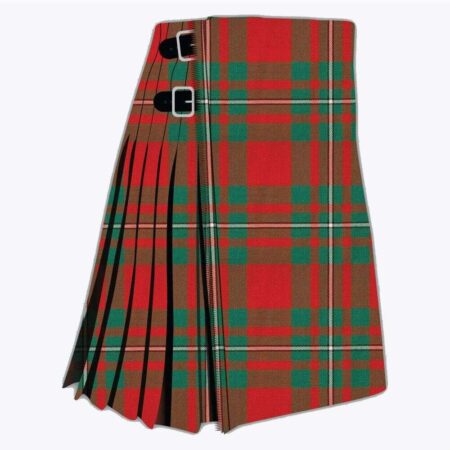 Listed in this tartan
Clan MacGregor Ancient Tartan Kilt
Available in MacGregor Ancient
Ursprünglicher Preis war: £241.80£159.00Aktueller Preis ist: £159.00.View →
Kiltsthree styles
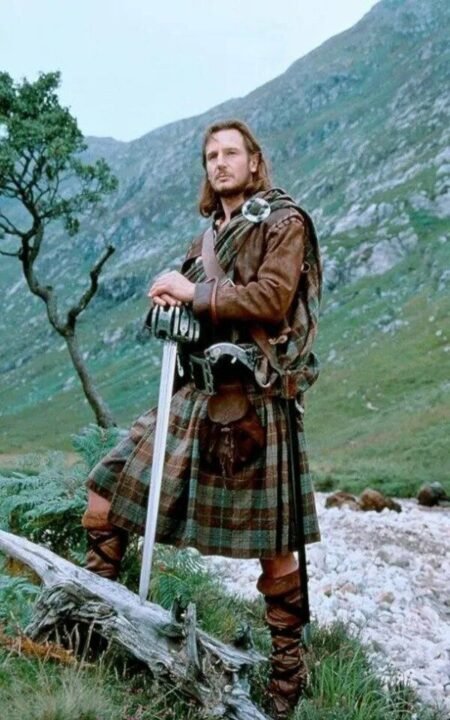 Made to order
Great Kilt, 6 Yards
Available in MacGregor Ancient
Ursprünglicher Preis war: £205.00£60.00Aktueller Preis ist: £60.00.Configure → Made to order
Tartan Utility Kilt
Available in MacGregor Ancient
Ursprünglicher Preis war: £110.00£60.00Aktueller Preis ist: £60.00.Configure →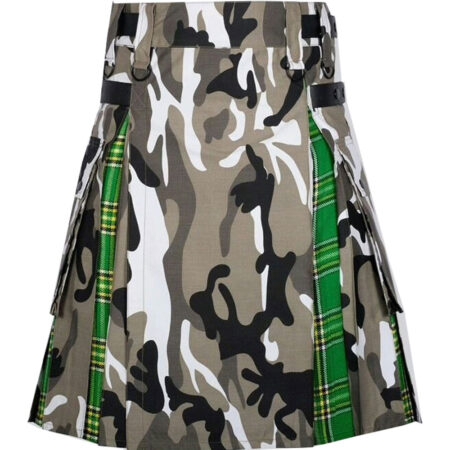 Made to order
Utility Cargo Hybrid Kilt
Available in MacGregor Ancient
Ursprünglicher Preis war: £110.00£65.00Aktueller Preis ist: £65.00.Configure →
For womenfour styles
 Made to order
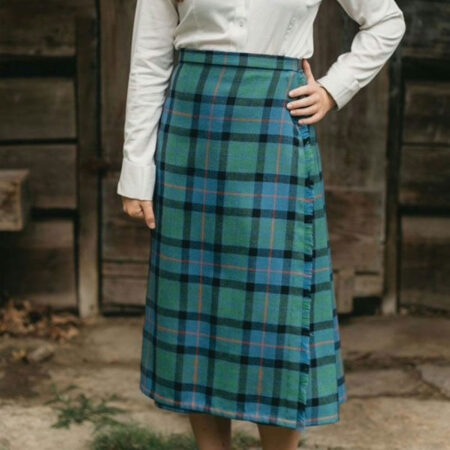
Tartan Kilt for Women
Available in MacGregor Ancient
Ursprünglicher Preis war: £120.00£77.00Aktueller Preis ist: £77.00.Configure →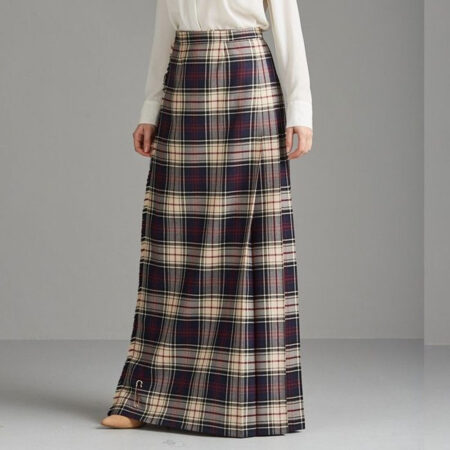 Made to order
The Classic Kilted Skirt, Maxi
Available in MacGregor Ancient
Ursprünglicher Preis war: £350.00£89.00Aktueller Preis ist: £89.00.Configure → Made to order
Long Kilted Skirt, Maxi
Available in MacGregor Ancient
Ursprünglicher Preis war: £199.00£145.00Aktueller Preis ist: £145.00.Configure →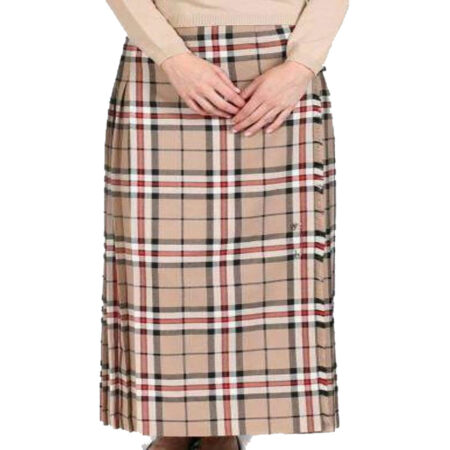 Made to order
Full Length Hostess Kilt
Available in MacGregor Ancient
Ursprünglicher Preis war: £135.00£95.00Aktueller Preis ist: £95.00.Configure →
For childrenone style

Accessoriesfour styles
 Made to order
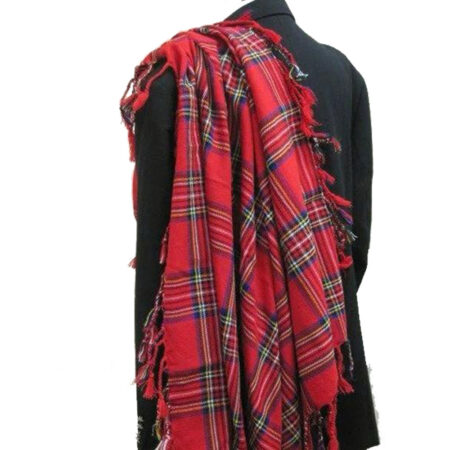
Tartan Fly Plaid
Available in MacGregor Ancient
Ursprünglicher Preis war: £80.00£45.00Aktueller Preis ist: £45.00.Configure →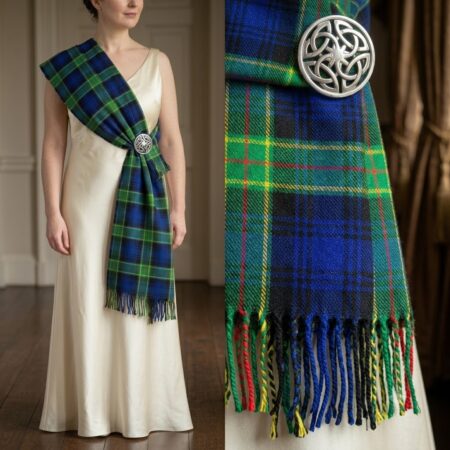 Made to order
Tartan Sash
Available in MacGregor Ancient
Ursprünglicher Preis war: £99.00£49.00Aktueller Preis ist: £49.00.Configure →
Full Highland outfits39 styles
 Made to order
Men’s 8 Yard Prince Charlie Kilt Outfit
Available in MacGregor Ancient
Ursprünglicher Preis war: £499.00£315.00Aktueller Preis ist: £315.00.Configure → Made to order
McCalls Highland Kilt Outfit With Argyll Jacket
Available in MacGregor Ancient
Ursprünglicher Preis war: £510.00£270.00Aktueller Preis ist: £270.00.Configure →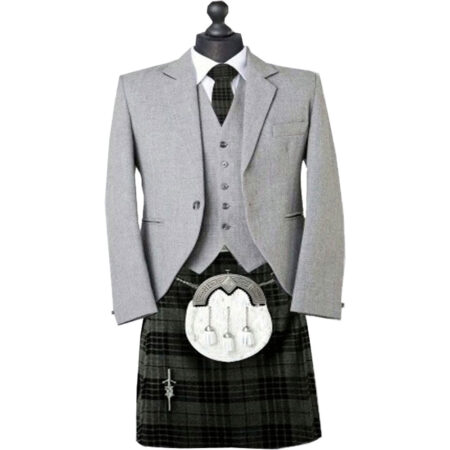 Made to order
Scottish Wedding Men Kilt Outfit
Available in MacGregor Ancient
Ursprünglicher Preis war: £700.00£304.00Aktueller Preis ist: £304.00.Configure →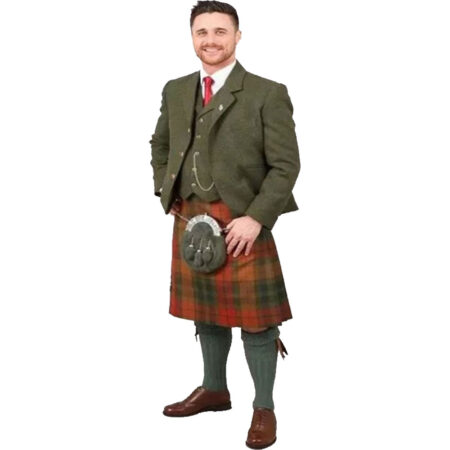 Made to order
Forest Green Tweed Jacket Kilt Outfit
Available in MacGregor Ancient
Ursprünglicher Preis war: £489.00£249.99Aktueller Preis ist: £249.99.Configure →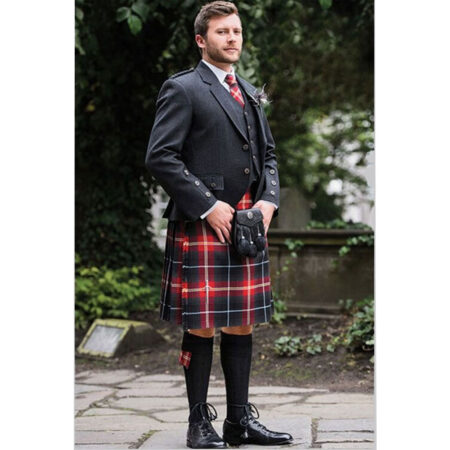 Made to order
Aberdeen Forever Tartan Argyll Kilt Outfit
Available in MacGregor Ancient
Ursprünglicher Preis war: £623.22£300.00Aktueller Preis ist: £300.00.Configure →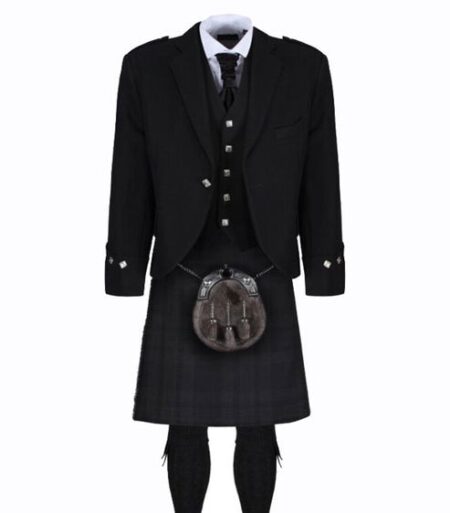 Made to order
Black Isle Argyll Jacket Kilt Outfit
Available in MacGregor Ancient
Ursprünglicher Preis war: £504.00£315.00Aktueller Preis ist: £315.00.Configure →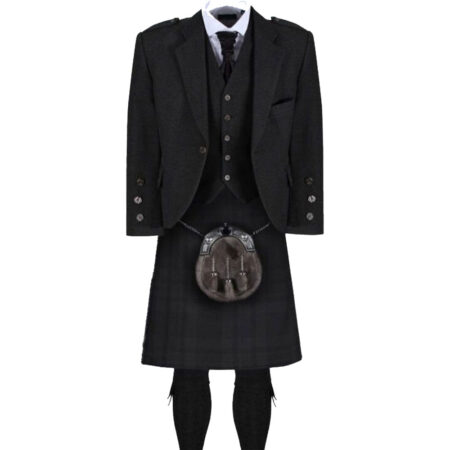 Made to order
Black Isle Dark Grey Tweed Jacket Kilt Outfit
Available in MacGregor Ancient
Ursprünglicher Preis war: £510.00£315.00Aktueller Preis ist: £315.00.Configure →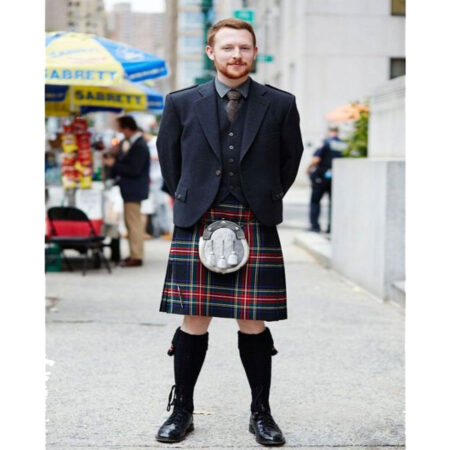 Made to order
Black Stewart Tartan Argyll Kilt Outfit
Available in MacGregor Ancient
Ursprünglicher Preis war: £467.22£235.00Aktueller Preis ist: £235.00.Configure →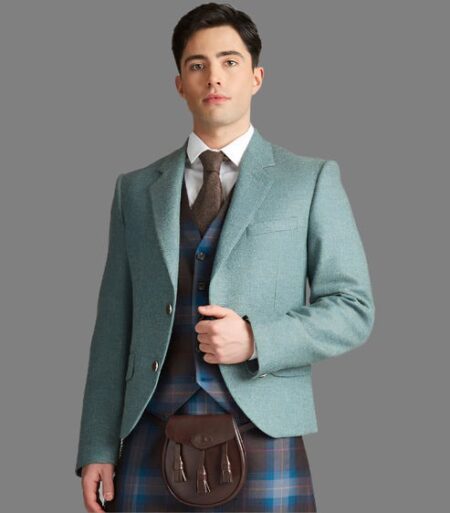 Made to order
Blue Lovat Tweed Jacket Kilt Outfit
Available in MacGregor Ancient
Ursprünglicher Preis war: £504.00£350.00Aktueller Preis ist: £350.00.Configure →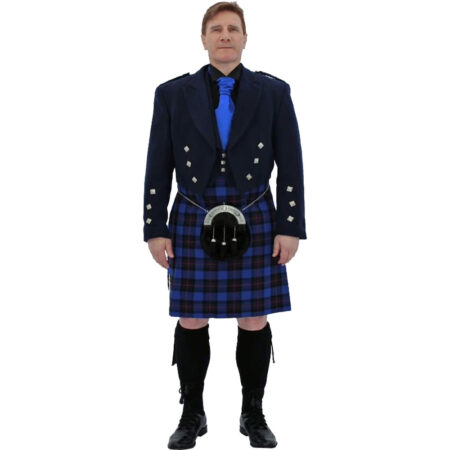 Made to order
Blue Prince Charlie Rangers Outfit
Available in MacGregor Ancient
Ursprünglicher Preis war: £500.00£320.00Aktueller Preis ist: £320.00.Configure →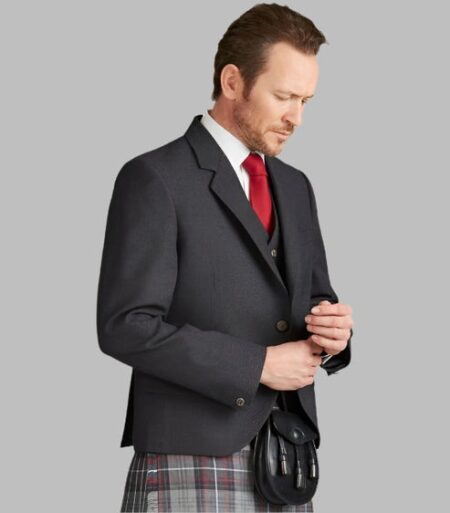 Made to order
Charcoal Grey Tweed Jacket Kilt Outfit
Available in MacGregor Ancient
Ursprünglicher Preis war: £504.00£350.00Aktueller Preis ist: £350.00.Configure →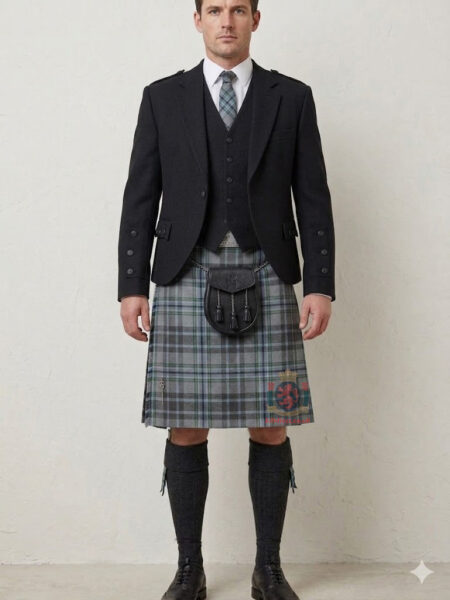 Made to order
Clan Giants Causeway JR679T Tartan Black Jacket Kilt Outfit
Available in MacGregor Ancient
Ursprünglicher Preis war: £545.00£210.00Aktueller Preis ist: £210.00.Configure →
The sett
About the Macgregor Ancient tartan
MacGregor is one of very few Scottish surnames abolished outright by act of state, and the red-and-black check most people now associate with the name was being woven and sold as ordinary Highland cloth long before anyone thought to call it Rob Roy.
Royal is my race, and the trouble with proving it
The clan motto, ’S Rioghal mo dhream, asserts royal descent, and the traditional genealogies oblige by making the eponymous Gregor a brother of Kenneth MacAlpin. William Skene was prepared to entertain a link of that sort; Iain Moncreiffe placed the family among the old Celtic aristocracy by way of the abbots of Glendochart. None of it is charter evidence, and it should be read as clan tradition rather than documented fact. The earliest chief most historians will stand behind is Gregor of the golden bridles, whose son Iain Camm had succeeded before 1390.
What is not in doubt is where the clan lived and how it lost the ground. MacGregor lands lay in Glenorchy, Glenstrae and Glenlyon. The barony of Loch Awe, which took in much of that country, passed by royal grant to the Campbell chief, and from Kilchurn the Campbells pressed them back until little was left but Glenstrae. The clan kept possession long after it had lost title, which is the shortest way of explaining why so much of its later history is a criminal record.
A surname abolished by statute
The crisis came in 1603. After two clansmen were executed, Alasdair MacGregor led a large force into Colquhoun territory and cut the Colquhouns to pieces in the boggy ground at Glen Fruin. On 3 April 1603 the privy council ordered every bearer of the name to take another surname on pain of death, and forbade MacGregors to gather in parties of more than four or to carry any weapon beyond a blunt knife. Alasdair and eleven chieftains were hanged at the Mercat Cross in Edinburgh in 1604. An act of the Scottish parliament in 1617 restated the abolition of the name, and the measures were renewed under Charles I and again in the reign of William III. Families scattered and took other names, Murray and Grant among them.
The penal statutes were finally lifted in the 1770s, and published accounts disagree on the year: most give 1774, while the Electric Scotland text has 1784. What followed is better recorded. A deed was drawn up and signed by 826 MacGregors recognising General John Murray of Lanrick as chief, he being descended from Duncan MacGregor of Ardchoille, who died in 1552.
Red and black before it was Rob Roy
The simple red-and-black check has the longest pedigree of anything attached to the name, and almost none of that pedigree is MacGregor. Peter MacDonald traces its earliest appearance to Michael Wright’s portrait of Lord Mungo Murray of about 1680, where it is worn as diced hose. It turns up as garment cloth in portraits of about 1745, among them David, Lord Ogilvy by Allan Ramsay in September 1745 and Gregor MacGregor of Glengyle in waistcoat and trews. Letters of 1792 and 1794 to Wilson of Bannockburn survive with samples of the pattern. The 1816 collection of the Highland Society of London holds a specimen sealed by Sir John MacGregor Murray and labelled as the MacGregor tartan for undress ordinary wear.
The name Rob Roy appears to be a Bannockburn marketing decision rather than a historical attribution. Wilson offered the check in several scales in the 1819 key pattern book and was selling it under the Rob Roy label by the early 1820s, at a moment when Walter Scott had made the man famous. There is no evidence that Rob Roy MacGregor, who died in 1734, ever wore it. It was a generic Highland pattern worn without regard to surname, and it became a clan tartan by commerce and repetition.
The green and red sett and its relatives
The green-and-red pattern now most often sold under the name is a separate design of roughly 1810 to 1820, recorded in the Cockburn Collection and named in Wilson’s 1819 key. Branch setts sit alongside it: MacGregor of Glengyle, also called Deeside, is dated to about 1750, and MacGregor of Cardney was worked out around 1930 by Alasdair MacGregor using vegetable dyes. A green MacGregor exists as a dance tartan approved for competing Highland dancers rather than for general wear. The Modern, Ancient and Weathered labels on any of these describe dye strengths rather than different designs.
Who has a claim on it
Every MacGregor may wear the red and black; the chief has said so plainly. Beyond that, descent matters more than spelling here, because the proscription forced whole households to become Murrays, Grants and others, and many never changed back. Anyone with that family story has as good a claim as a MacGregor of the name.
Sources: Peter MacDonald, MacGregor Black and Red (Rob Roy) Tartan, scottishtartans.co.uk; collection of the Highland Society of London, 1816; Wilson of Bannockburn key pattern book, 1819; Electric Scotland, MacGregor; Scottish Register of Tartans; Clan Gregor, Wikipedia.
Near neighbours
Other MacGregor setts
The same pattern in different depths of colour. Any of them can be made up in any style above.
Not the sett you were after?
All 2.107 tartans are available to order, and any of them can be cut into any style on this page.


