
Home › Tartans › MacKenzie Muted
MacKenzie Muted Tartan
A clan and family tartan, available to order. Everything we make in MacKenzie Muted: kilts, kilted skirts, accessories and full Highland outfits, every piece cut to your own measurements.
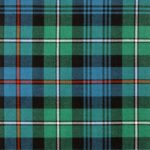 Ancient
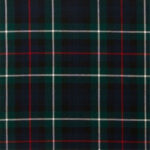 Modern
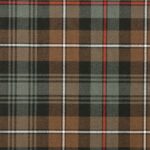 Weathered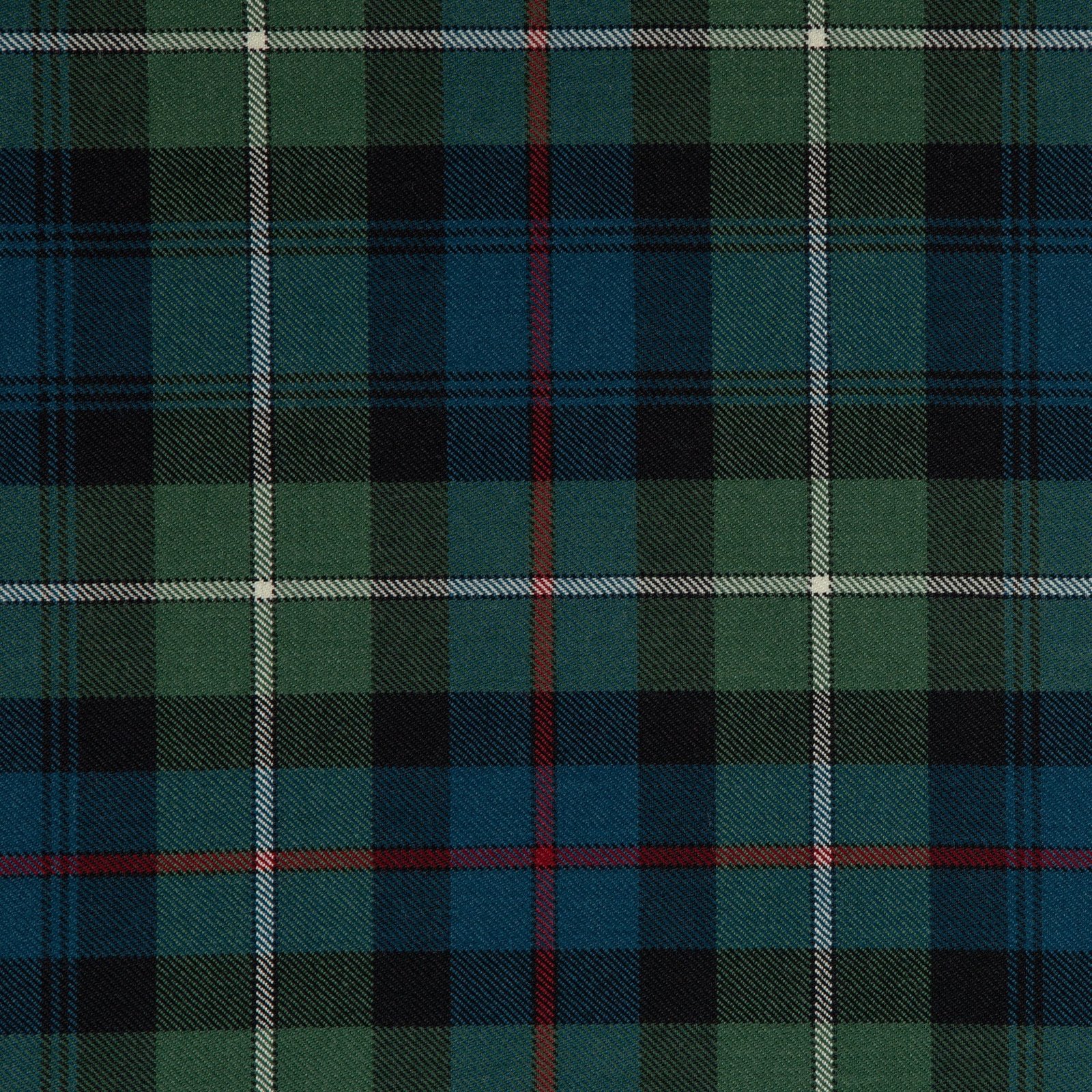
MacKenzie Muted Tartan · Muted
The MacKenzie Muted tartan, made to order by Kilt 4 Less. Choose it for a kilt, a kilted skirt, an accessory or a full Highland outfit — everything below is cut to your own measurements.
- Tartan typeClan and family tartan
- Colours in it
- Black
- Green
- Grey
- Settings availableAncient, Modern, Muted and Weathered
- How it is madeMade to order and cut to your own measurements
Choose your product
Products in MacKenzie Muted
Everything below can be made in the MacKenzie Muted tartan. Choose a product, then pick your size and options on the next page — the tartan is already selected for you.
Listed in this tartanthree items
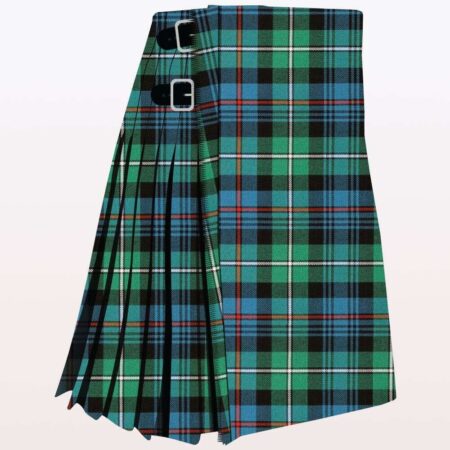 Listed in this tartan
Clan MacKenzie Ancient Tartan Kilt
Available in MacKenzie Muted
Ursprünglicher Preis war: £189.00£75.00Aktueller Preis ist: £75.00.View →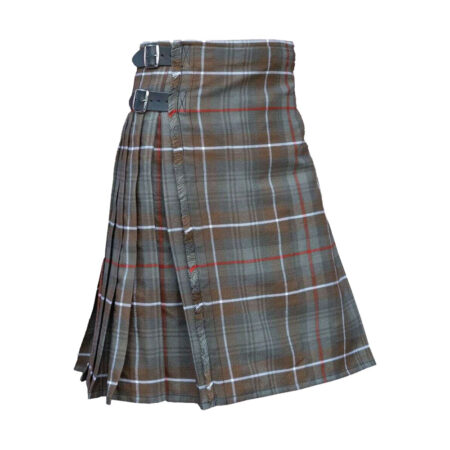 Listed in this tartan
MacKenzie Weathered Tartan Kilt
Available in MacKenzie Muted
Ursprünglicher Preis war: £189.00£85.00Aktueller Preis ist: £85.00.View →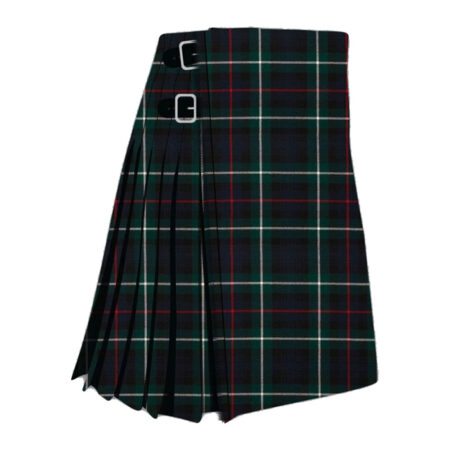 Listed in this tartan
MacKenzie Modern Tartan Kilt
Available in MacKenzie Muted
Ursprünglicher Preis war: £189.00£85.00Aktueller Preis ist: £85.00.View →
Kiltsthree styles
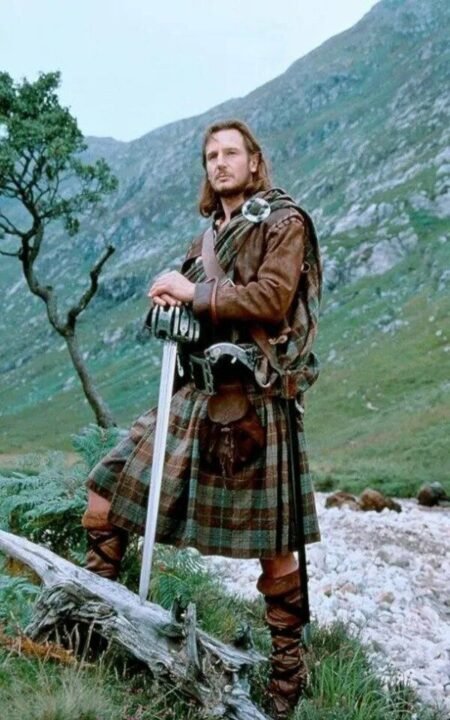 Made to order
Great Kilt, 6 Yards
Available in MacKenzie Muted
Ursprünglicher Preis war: £205.00£60.00Aktueller Preis ist: £60.00.Configure → Made to order
Tartan Utility Kilt
Available in MacKenzie Muted
Ursprünglicher Preis war: £110.00£60.00Aktueller Preis ist: £60.00.Configure →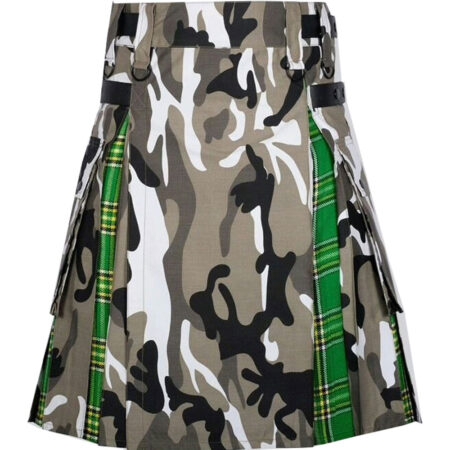 Made to order
Utility Cargo Hybrid Kilt
Available in MacKenzie Muted
Ursprünglicher Preis war: £110.00£65.00Aktueller Preis ist: £65.00.Configure →
For womenfour styles
 Made to order
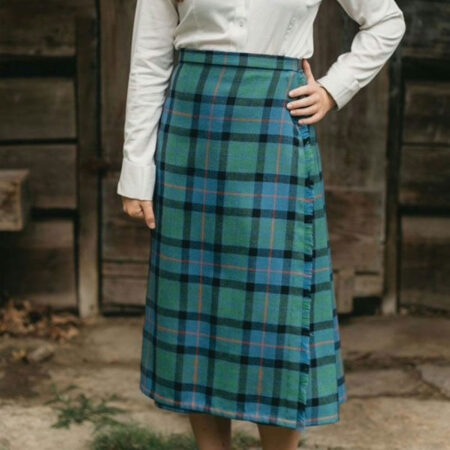
Tartan Kilt for Women
Available in MacKenzie Muted
Ursprünglicher Preis war: £120.00£77.00Aktueller Preis ist: £77.00.Configure →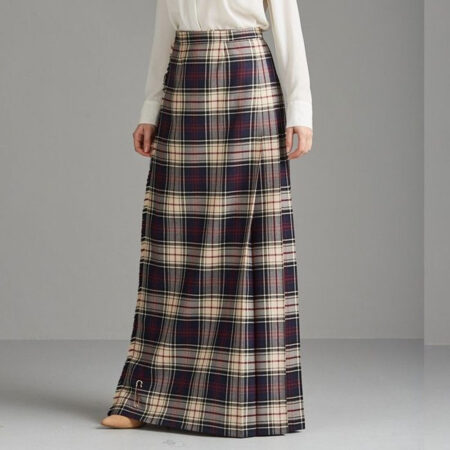 Made to order
The Classic Kilted Skirt, Maxi
Available in MacKenzie Muted
Ursprünglicher Preis war: £350.00£89.00Aktueller Preis ist: £89.00.Configure → Made to order
Long Kilted Skirt, Maxi
Available in MacKenzie Muted
Ursprünglicher Preis war: £199.00£145.00Aktueller Preis ist: £145.00.Configure →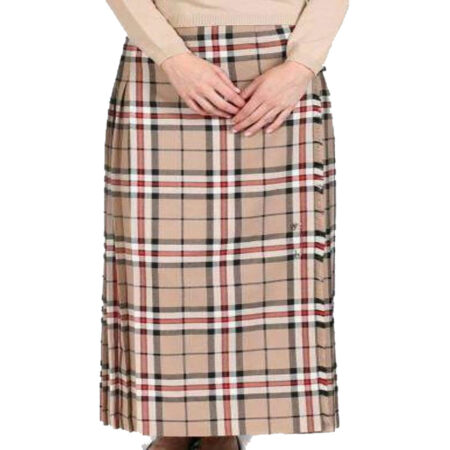 Made to order
Full Length Hostess Kilt
Available in MacKenzie Muted
Ursprünglicher Preis war: £135.00£95.00Aktueller Preis ist: £95.00.Configure →
For childrenone style

Accessoriesfour styles
 Made to order
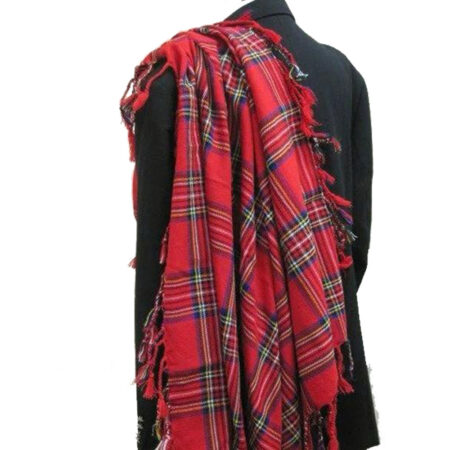
Tartan Fly Plaid
Available in MacKenzie Muted
Ursprünglicher Preis war: £80.00£45.00Aktueller Preis ist: £45.00.Configure →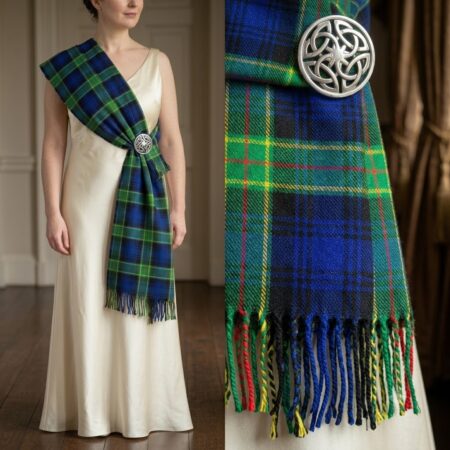 Made to order
Tartan Sash
Available in MacKenzie Muted
Ursprünglicher Preis war: £99.00£49.00Aktueller Preis ist: £49.00.Configure →
Full Highland outfits39 styles
 Made to order
Men’s 8 Yard Prince Charlie Kilt Outfit
Available in MacKenzie Muted
Ursprünglicher Preis war: £499.00£315.00Aktueller Preis ist: £315.00.Configure → Made to order
McCalls Highland Kilt Outfit With Argyll Jacket
Available in MacKenzie Muted
Ursprünglicher Preis war: £510.00£270.00Aktueller Preis ist: £270.00.Configure →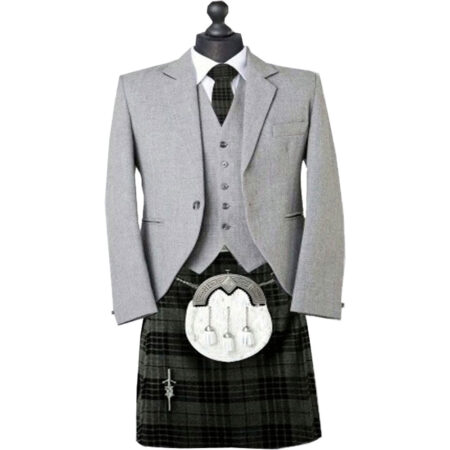 Made to order
Scottish Wedding Men Kilt Outfit
Available in MacKenzie Muted
Ursprünglicher Preis war: £700.00£304.00Aktueller Preis ist: £304.00.Configure →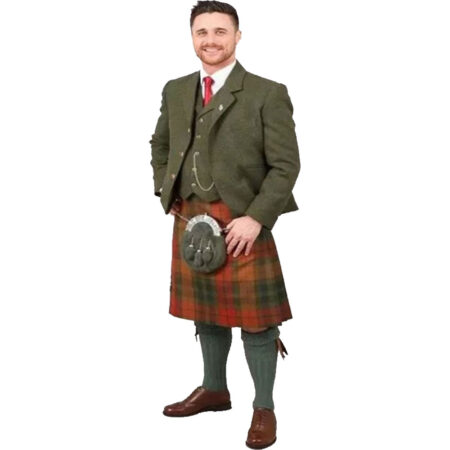 Made to order
Forest Green Tweed Jacket Kilt Outfit
Available in MacKenzie Muted
Ursprünglicher Preis war: £489.00£249.99Aktueller Preis ist: £249.99.Configure →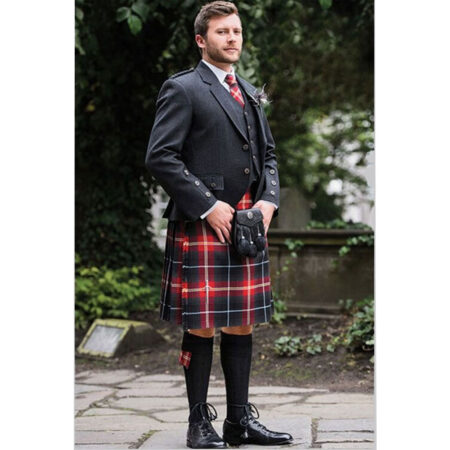 Made to order
Aberdeen Forever Tartan Argyll Kilt Outfit
Available in MacKenzie Muted
Ursprünglicher Preis war: £623.22£300.00Aktueller Preis ist: £300.00.Configure →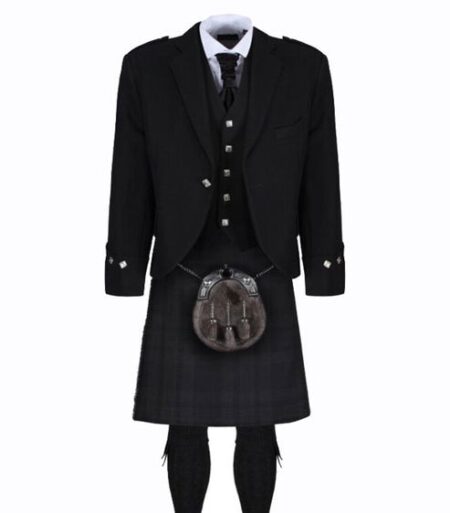 Made to order
Black Isle Argyll Jacket Kilt Outfit
Available in MacKenzie Muted
Ursprünglicher Preis war: £504.00£315.00Aktueller Preis ist: £315.00.Configure →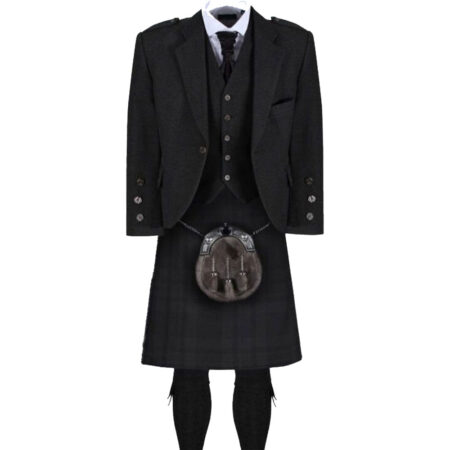 Made to order
Black Isle Dark Grey Tweed Jacket Kilt Outfit
Available in MacKenzie Muted
Ursprünglicher Preis war: £510.00£315.00Aktueller Preis ist: £315.00.Configure →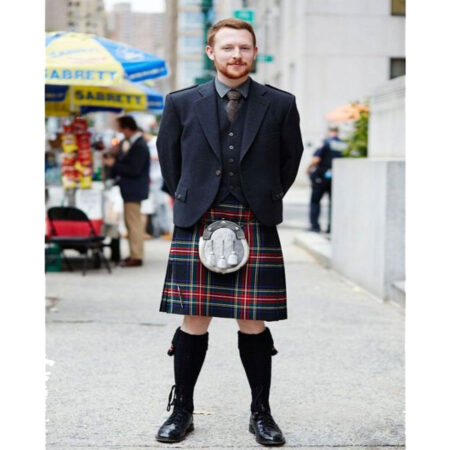 Made to order
Black Stewart Tartan Argyll Kilt Outfit
Available in MacKenzie Muted
Ursprünglicher Preis war: £467.22£235.00Aktueller Preis ist: £235.00.Configure →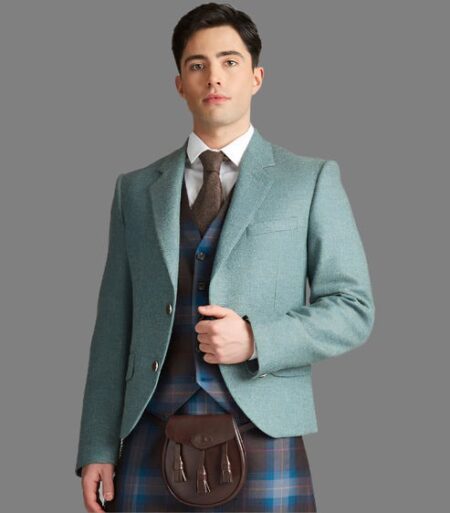 Made to order
Blue Lovat Tweed Jacket Kilt Outfit
Available in MacKenzie Muted
Ursprünglicher Preis war: £504.00£350.00Aktueller Preis ist: £350.00.Configure →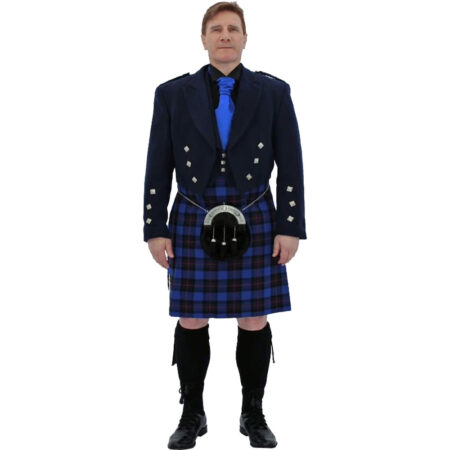 Made to order
Blue Prince Charlie Rangers Outfit
Available in MacKenzie Muted
Ursprünglicher Preis war: £500.00£320.00Aktueller Preis ist: £320.00.Configure →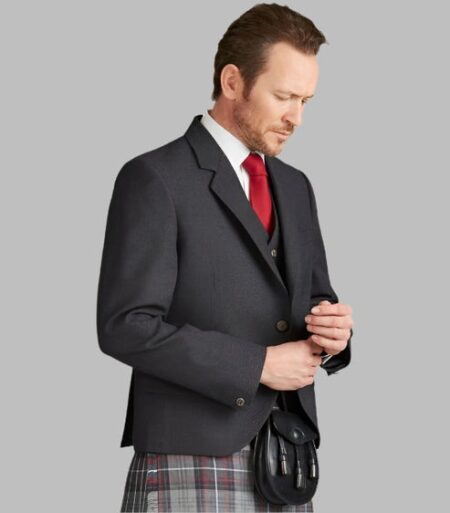 Made to order
Charcoal Grey Tweed Jacket Kilt Outfit
Available in MacKenzie Muted
Ursprünglicher Preis war: £504.00£350.00Aktueller Preis ist: £350.00.Configure →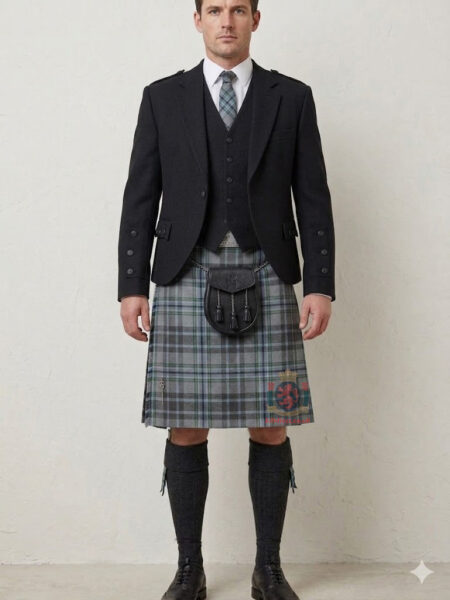 Made to order
Clan Giants Causeway JR679T Tartan Black Jacket Kilt Outfit
Available in MacKenzie Muted
Ursprünglicher Preis war: £545.00£210.00Aktueller Preis ist: £210.00.Configure →
The sett
About the Mackenzie Muted tartan
This is a soldier’s pattern that became a family one: the Government sett with a red line laid over the blue and a white line over the green, worn by Highland regiments raised in Ross-shire before it was ever thought of as the dress of a clan.
Coinneach, and two claims of descent
The Gaelic is Clann MacCoinnich, from the personal name Coinneach, understood as the fair or bright one. The chiefly style is Caberféidh, the deer’s antlers, taken from the stag’s head in the arms of the Earls of Seaforth. The descent is contested, and the argument is itself part of the clan record.
The traditional histories give the family a Fitzgerald ancestor, a Norman-Irish origin. Those accounts come from John Mackenzie of Applecross, who died about 1684, and George Mackenzie, first Earl of Cromartie, who died in 1714, both said to derive from a lost manuscript of 1576 by William MacQueen. Against that stands a Gaelic pedigree making the Mackenzies, the Mathesons and the Anrias branches of one stock descended from Gilleoin of the Aird, a dynast of the early twelfth century; a further suggestion traces the line to a thirteenth-century figure called Kermac Macmaghan. Alexander Mackenzie, who had published the Fitzgerald version, abandoned it in the 1894 edition of his history once the Gaelic genealogies were in print. The surviving evidence does not settle the matter, and the Fitzgerald story should be read as tradition.
Kintail, Eilean Donan and Seaforth
The clan held Kintail and, by 1297, the castle on Eilean Donan, its strong point on the western seaboard. During the rising of 1719 it was garrisoned with Spanish troops, reduced by three frigates and blown up from inside; what stands there now is a twentieth-century rebuilding. Colin Mackenzie was created Earl of Seaforth in 1623, taking the title from the sea loch in Lewis. The Mackenzies built up one of the largest blocks of land in Scotland, and they paid for their politics: George Mackenzie, third Earl of Cromartie, was taken fighting for the Jacobites in 1745 and the title was forfeited.
Regimental before it was a clan sett
The pattern is the Government or Black Watch threading with two thin overchecks, red across part of the blue and white across the green. It belongs to the family of Highland regimental setts produced in the 1770s and 1780s by adding stripes to the Government cloth, and accounts differ over which Mackenzie regiment carried it first: one tradition credits the regiment raised by Lord MacLeod, others place the red and white overchecks with the Highland regiments of 1787. The dating is not clean, and the sett is best described as emerging in a military context in the last quarter of the eighteenth century.
The regiment most closely tied to the name was raised by Francis Humberston Mackenzie, chief of the clan and later Lord Seaforth, on 8 March 1793 as the 78th, known at first as the Ross-shire Buffs. On 1 July 1881 the 78th amalgamated with the 72nd to form the Seaforth Highlanders. The version worn by the 78th was a notably darker cloth than the pattern now sold under the clan name.
The key piece of documentation is a certified specimen in the collection of the Highland Society of London, sealed in 1816 by Mackenzie of Seaforth. It is conventionally cited as the sample of Mrs Mackenzie of Seaforth; recent work by the Clan Mackenzie Initiative identifies her properly as Mary Elizabeth Frederica Mackenzie of Seaforth. The Society had asked chiefs from about 1815 to authenticate their tartans, but most of what was deposited had been woven by Wilson of Bannockburn, so a sealed sample records what a chief would certify in 1816, not what his ancestors wore.
The red sett that may have come first
James Scarlett argued that a clan holding so much of Ross-shire is likely to have had an earlier district pattern, predominantly red, related to the red-ground patterns recorded for Ross. This is inference from how district tartans behave, not a surviving sample. If he was right, the sett now worn replaced an older and quite different cloth.
Worn without a claim
The clan has a chief: John Ruaridh Grant Mackenzie, fifth Earl of Cromartie, born in 1948, whose seat is Castle Leod. His father, the fourth Earl, took the surname Mackenzie legally in 1979 and was widely recognised as chief, though the descent to him ran through a female line rather than directly from the old Kintail house. Anyone of the name or its associated families may wear the sett, as may anyone who served in the Seaforth Highlanders or their successors. The pattern is also worn by the pipes and drums of the Royal Military College of Canada. Both routes arrive at the same cloth.
Sources: Clan Mackenzie Society, Tartans; Clan Mackenzie Initiative, The Seaforth Mackenzie Tartan of 1816; collection of the Highland Society of London, 1816; Clan Mackenzie, Wikipedia; 78th (Highlanders) Regiment of Foot and Regimental tartan, Wikipedia; Peter MacDonald, Tartan History, scottishtartans.co.uk.
Near neighbours
Other MacKenzie setts
The same pattern in different depths of colour. Any of them can be made up in any style above.
Not the sett you were after?
All 2.107 tartans are available to order, and any of them can be cut into any style on this page.


