
Home › Tartans › MacPherson Ancient
MacPherson Ancient Tartan
A clan and family tartan, available to order. Everything we make in MacPherson Ancient: kilts, kilted skirts, accessories and full Highland outfits, every piece cut to your own measurements.
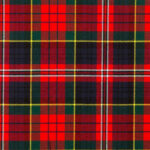 Modern
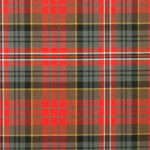 Weathered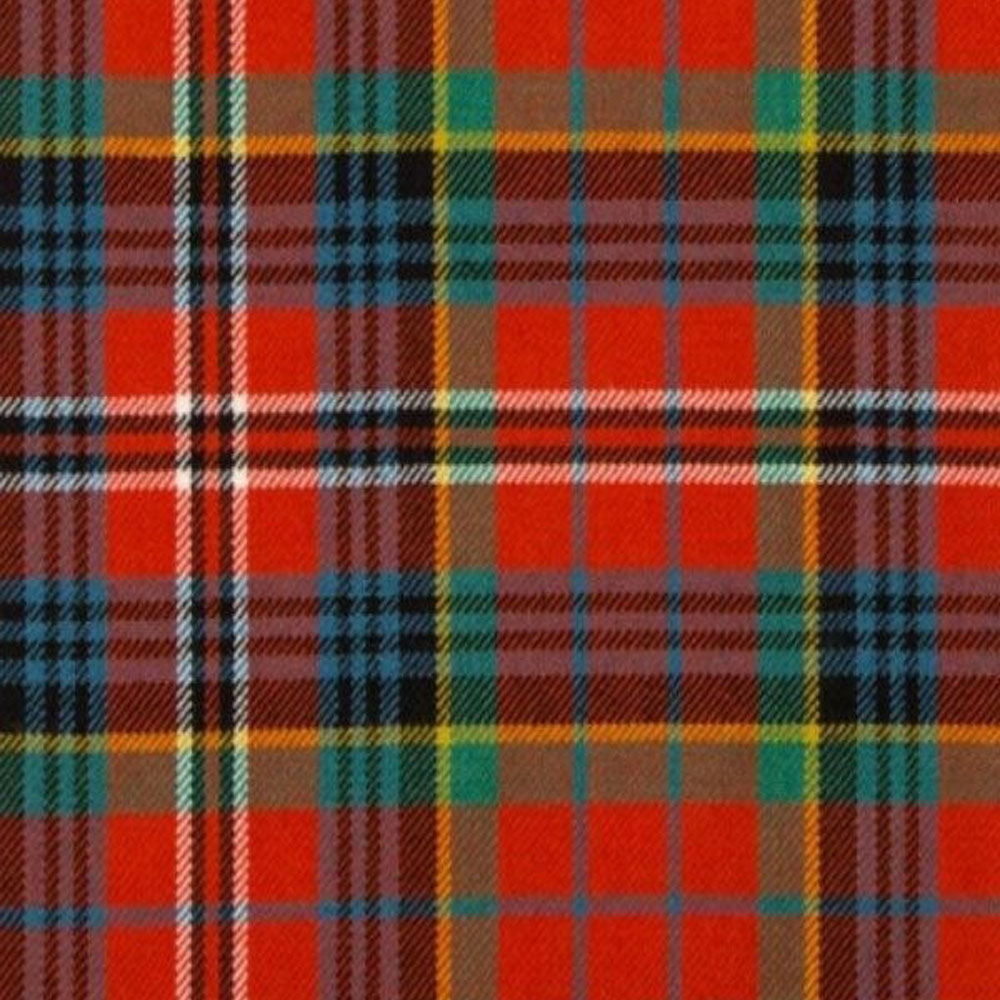
MacPherson Ancient Tartan · Ancient
The MacPherson Ancient tartan, made to order by Kilt 4 Less. Choose it for a kilt, a kilted skirt, an accessory or a full Highland outfit — everything below is cut to your own measurements.
- Tartan typeClan and family tartan
- Colours in it
- Red
- Brown
- Black
- Green
- Settings availableAncient, Modern and Weathered
- How it is madeMade to order and cut to your own measurements
Choose your product
Products in MacPherson Ancient
Everything below can be made in the MacPherson Ancient tartan. Choose a product, then pick your size and options on the next page — the tartan is already selected for you.
Listed in this tartanone item
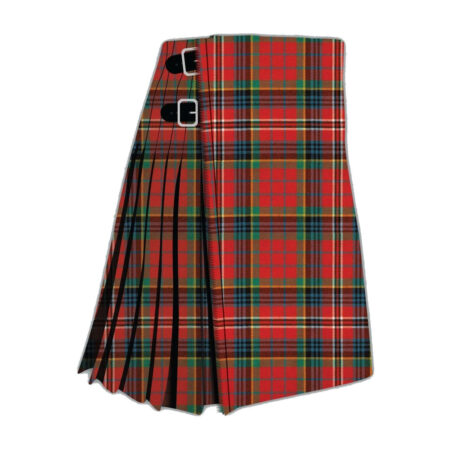 Listed in this tartan
Clan MacPherson Ancient Tartan Kilt
Available in MacPherson Ancient
Ursprünglicher Preis war: £210.00£99.00Aktueller Preis ist: £99.00.View →
Kiltsthree styles
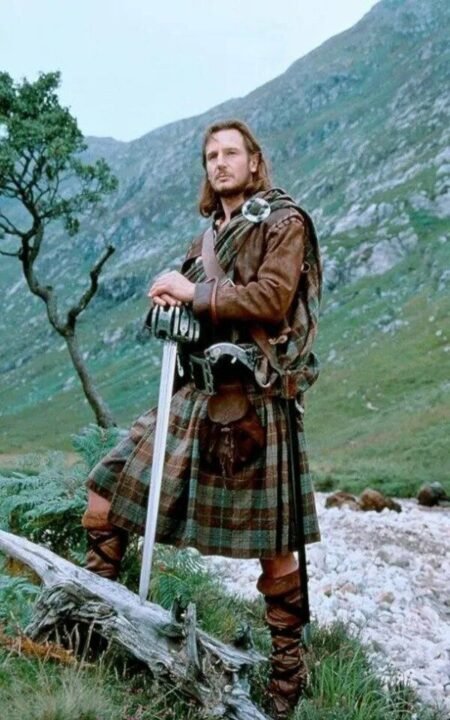 Made to order
Great Kilt, 6 Yards
Available in MacPherson Ancient
Ursprünglicher Preis war: £205.00£60.00Aktueller Preis ist: £60.00.Configure → Made to order
Tartan Utility Kilt
Available in MacPherson Ancient
Ursprünglicher Preis war: £110.00£60.00Aktueller Preis ist: £60.00.Configure →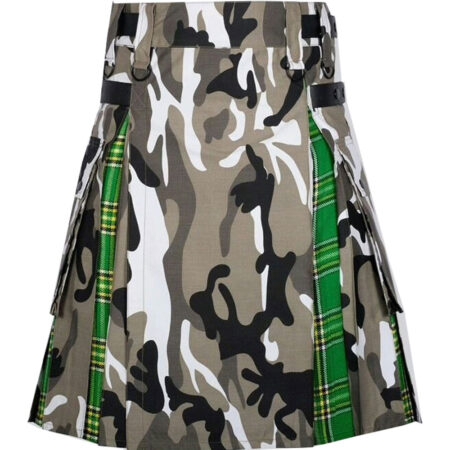 Made to order
Utility Cargo Hybrid Kilt
Available in MacPherson Ancient
Ursprünglicher Preis war: £110.00£65.00Aktueller Preis ist: £65.00.Configure →
For womenfour styles
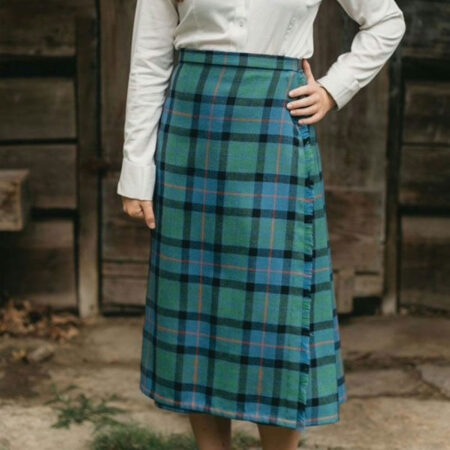 Made to order
Tartan Kilt for Women
Available in MacPherson Ancient
Ursprünglicher Preis war: £120.00£77.00Aktueller Preis ist: £77.00.Configure →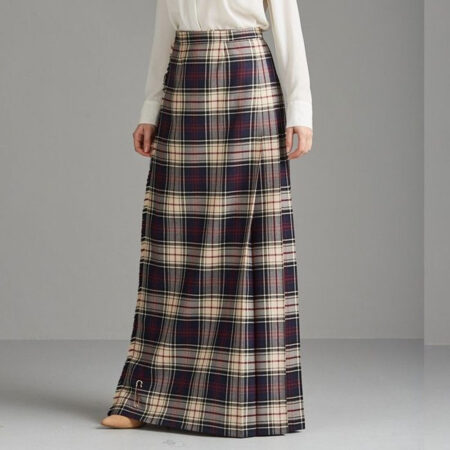 Made to order
The Classic Kilted Skirt, Maxi
Available in MacPherson Ancient
Ursprünglicher Preis war: £350.00£89.00Aktueller Preis ist: £89.00.Configure → Made to order
Long Kilted Skirt, Maxi
Available in MacPherson Ancient
Ursprünglicher Preis war: £199.00£145.00Aktueller Preis ist: £145.00.Configure →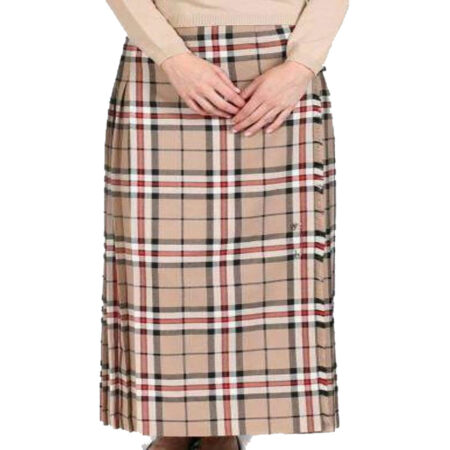 Made to order
Full Length Hostess Kilt
Available in MacPherson Ancient
Ursprünglicher Preis war: £135.00£95.00Aktueller Preis ist: £95.00.Configure →
For childrenone style

Accessoriesfour styles
 Made to order
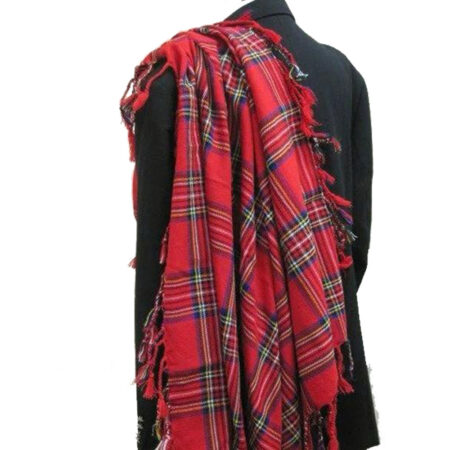
Tartan Fly Plaid
Available in MacPherson Ancient
Ursprünglicher Preis war: £80.00£45.00Aktueller Preis ist: £45.00.Configure →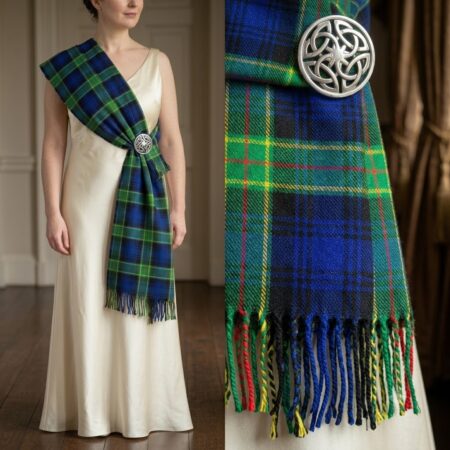 Made to order
Tartan Sash
Available in MacPherson Ancient
Ursprünglicher Preis war: £99.00£49.00Aktueller Preis ist: £49.00.Configure →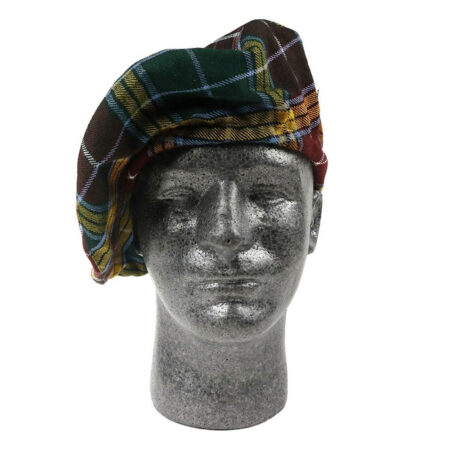
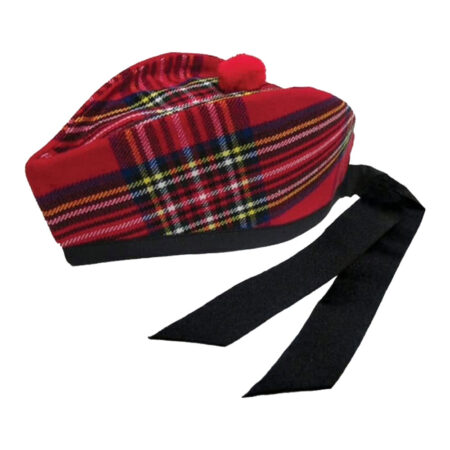
Full Highland outfits39 styles
 Made to order
Men’s 8 Yard Prince Charlie Kilt Outfit
Available in MacPherson Ancient
Ursprünglicher Preis war: £499.00£315.00Aktueller Preis ist: £315.00.Configure → Made to order
McCalls Highland Kilt Outfit With Argyll Jacket
Available in MacPherson Ancient
Ursprünglicher Preis war: £510.00£270.00Aktueller Preis ist: £270.00.Configure →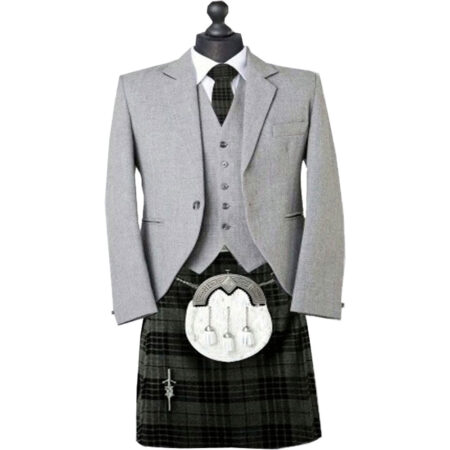 Made to order
Scottish Wedding Men Kilt Outfit
Available in MacPherson Ancient
Ursprünglicher Preis war: £700.00£304.00Aktueller Preis ist: £304.00.Configure →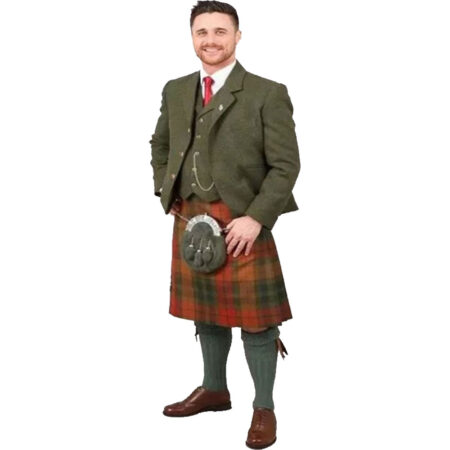 Made to order
Forest Green Tweed Jacket Kilt Outfit
Available in MacPherson Ancient
Ursprünglicher Preis war: £489.00£249.99Aktueller Preis ist: £249.99.Configure →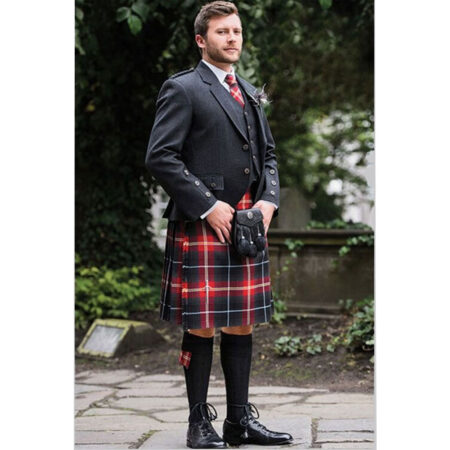 Made to order
Aberdeen Forever Tartan Argyll Kilt Outfit
Available in MacPherson Ancient
Ursprünglicher Preis war: £623.22£300.00Aktueller Preis ist: £300.00.Configure →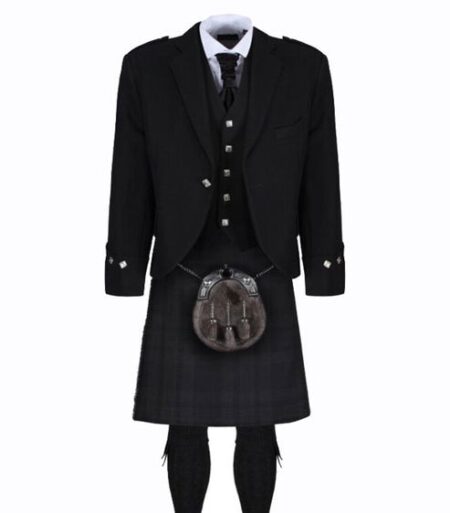 Made to order
Black Isle Argyll Jacket Kilt Outfit
Available in MacPherson Ancient
Ursprünglicher Preis war: £504.00£315.00Aktueller Preis ist: £315.00.Configure →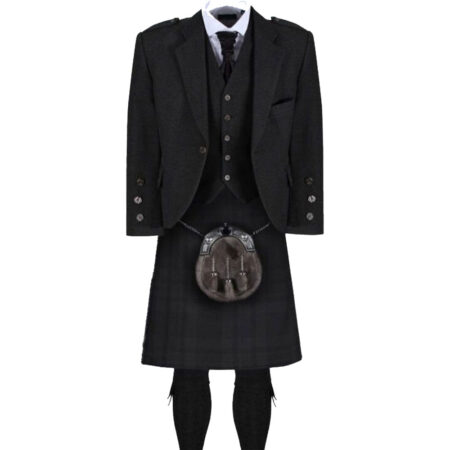 Made to order
Black Isle Dark Grey Tweed Jacket Kilt Outfit
Available in MacPherson Ancient
Ursprünglicher Preis war: £510.00£315.00Aktueller Preis ist: £315.00.Configure →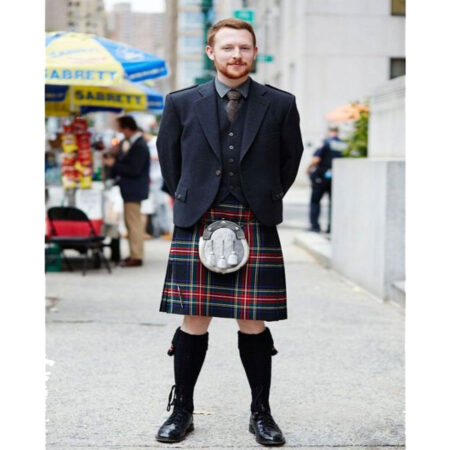 Made to order
Black Stewart Tartan Argyll Kilt Outfit
Available in MacPherson Ancient
Ursprünglicher Preis war: £467.22£235.00Aktueller Preis ist: £235.00.Configure →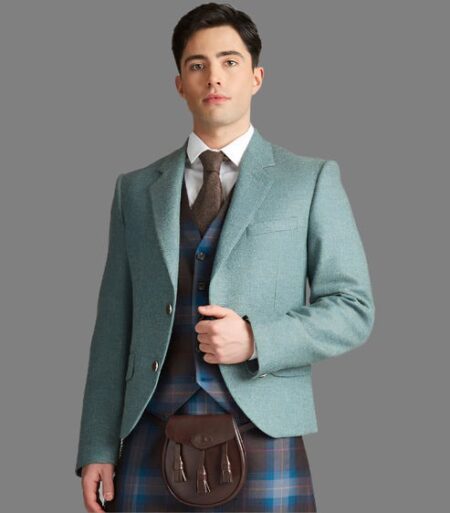 Made to order
Blue Lovat Tweed Jacket Kilt Outfit
Available in MacPherson Ancient
Ursprünglicher Preis war: £504.00£350.00Aktueller Preis ist: £350.00.Configure →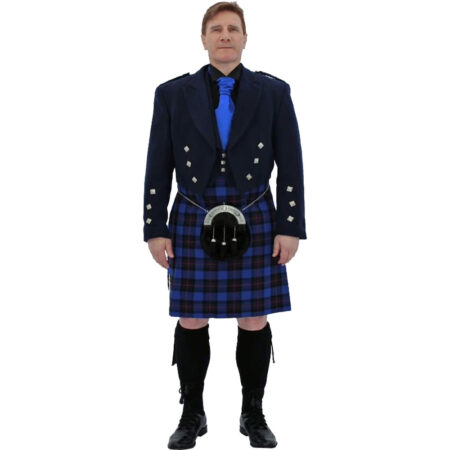 Made to order
Blue Prince Charlie Rangers Outfit
Available in MacPherson Ancient
Ursprünglicher Preis war: £500.00£320.00Aktueller Preis ist: £320.00.Configure →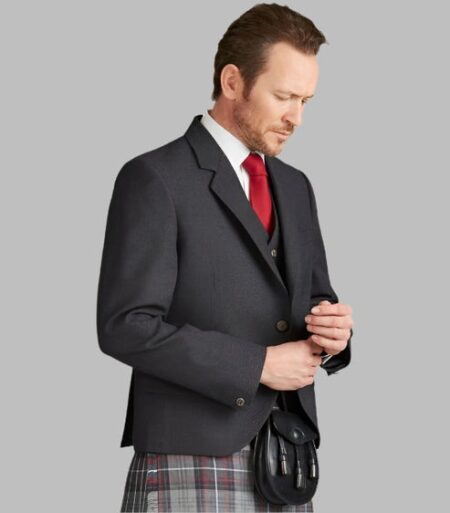 Made to order
Charcoal Grey Tweed Jacket Kilt Outfit
Available in MacPherson Ancient
Ursprünglicher Preis war: £504.00£350.00Aktueller Preis ist: £350.00.Configure →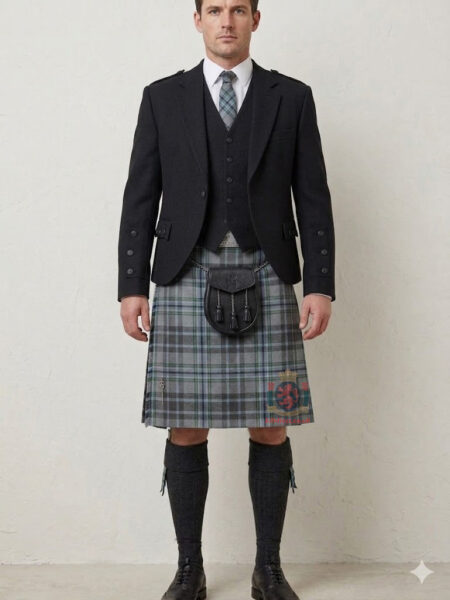 Made to order
Clan Giants Causeway JR679T Tartan Black Jacket Kilt Outfit
Available in MacPherson Ancient
Ursprünglicher Preis war: £545.00£210.00Aktueller Preis ist: £210.00.Configure →
The sett
About the Macpherson Ancient tartan
The Macpherson claim to lead Clan Chattan went before the Lord Lyon in 1672, was overturned partly on a technical point about heraldic supporters, and has never entirely gone away.
Son of the parson
Mac a’ Phearsain means son of the parson, and the clan does not pretend otherwise. Its progenitor is given as Muireach, or Murdo, Cattanach, lay parson of Kingussie in Badenoch, at a period when the Celtic church still allowed clergy to marry. Three of his descendants founded the branches from which the whole name is reckoned — Kenneth of Cluny, Iain of Pitmain and Gillies of Invereshie — and the clan has been known in Gaelic ever since as the clan of the three brothers. The parson is a traditional figure, not a charter witness, but the claim is unusually candid for a Highland origin story: it puts a churchman, not a king, at the head of the line.
Badenoch
The family came out of Lochaber into Badenoch in the fourteenth century and made Cluny its centre. Badenoch is a strategic corridor, not a backwater, and the Macphersons held a position there sometimes semi-independent of the confederation. The arms recorded for Cluny in 1672 include a dagger stained with blood, said to commemorate the clan’s part in breaking Comyn power in the district on Bruce’s behalf. That is what the seventeenth-century heralds were told, not an independent record.
The Chattan question
Macpherson was a principal member of Clan Chattan, the confederation of Badenoch and Strathnairn families whose leadership the Mackintoshes also claimed. The quarrel is documented, not legendary, and was open by 1591, when Macpherson took a separate bond of manrent with the Earl of Huntly rather than accept Mackintosh superiority. In 1672 Duncan Macpherson of Cluny matriculated arms describing himself as the only true representer of the ancient and honourable family of Clan Chattan. The Mackintosh chief brought a reduction against the matriculation and won it, part of the argument turning on Cluny’s having added supporters to his arms, and Mackintosh was upheld as chief of Chattan.
It is worth being clear about what that settled: a heraldic question in a Scottish court in the 1670s. It produced no medieval document showing who had led the confederation in the fourteenth century, because none exists, and the descent of the captaincy was still being adjudicated in the Lyon Court as late as 1942, when the Mackintosh chiefship and the Chattan captaincy were formally separated. Anyone who tells you the matter is simple has chosen a side.
Nine years on Ben Alder
Ewen Macpherson of Cluny is the best-documented figure in the clan’s history, and his 1745 is a lesson in how little choice a chief had. In August that year he accepted a government commission in Lord Loudon’s regiment, which required an oath to George II. Later that month Jacobite raiders took him at Cluny; a fortnight later he emerged a Jacobite colonel with some three hundred men. He joined the attack on Cumberland’s cavalry at Clifton Moor in December 1745 and was not at Culloden. In June 1746 Cluny was plundered and burnt, and his father died among the ruins.
What followed is the part that made his name. He hid in Badenoch for nine years with a price on his head, sheltering Prince Charles Edward at Cluny’s Cage on Ben Alder in September 1746 — a shelter built into the hillside, big enough for six or seven, arranged so the cooking smoke did not show. He reached France in May 1755 and died at Dunkirk on 30 January 1764. An Act of Parliament in 1784 restored his son Duncan to the forfeited estate. The clan museum at Newtonmore, opened in 1952, holds material saved from Cluny, including the Black Chanter, which lore ties to the combat on the North Inch of Perth in 1396; the chanter is real, the 1396 attachment is not evidenced.
More than one Macpherson sett, and who may wear them
This is one of the harder names to choose cloth for, because it carries several genuinely different setts: a red pattern, generally offered as the dress sett, a hunting pattern, and one associated with Cluny itself. Those are distinct designs with distinct thread orders, so two garments both correctly labelled Macpherson can look almost unrelated. Sitting on top of that is a separate variable: Modern, Ancient, Weathered and Muted are dye registers applied to whichever thread order you began with, and nothing in the pattern changes.
There is a chief — James Brodie Macpherson of Cluny, reckoned the twenty-eighth — so the name has a living authority. Anyone of the name in its spellings, and those descended from the Cluny, Pitmain and Invereshie branches, may wear the family setts, as may members of the associated Chattan families who count themselves Macpherson. The chief’s arms are his own; the crest badge is worn in a strap and buckle, which is how a clansman shows he wears the chief’s crest rather than claiming it.
Sources: Wikipedia, Clan Macpherson; Wikipedia, Ewen MacPherson of Cluny; Wikipedia, Clan Chattan (the 1591 bond and the 1672 reduction); Clan Chattan Association, Clan Macpherson.
Near neighbours
Other MacPherson setts
The same pattern in different depths of colour. Any of them can be made up in any style above.
Not the sett you were after?
All 2.107 tartans are available to order, and any of them can be cut into any style on this page.


