
Home › Tartans › Barclay Hunting Ancient
Barclay Hunting Ancient Tartan
A clan and family tartan, available to order. Everything we make in Barclay Hunting Ancient: kilts, kilted skirts, accessories and full Highland outfits, every piece cut to your own measurements.
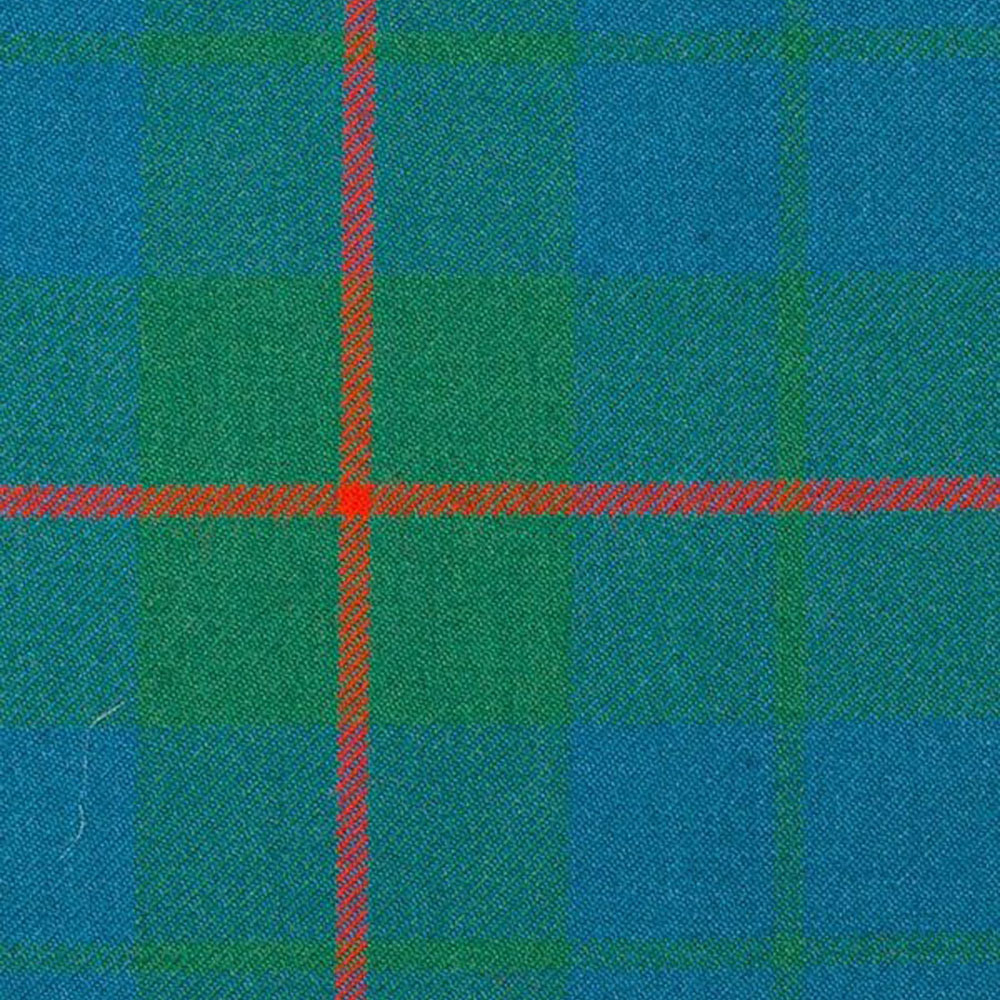
- Ancient
 Modern
Barclay Hunting Ancient Tartan · Ancient
The Barclay Hunting Ancient tartan, made to order by Kilt 4 Less. Choose it for a kilt, a kilted skirt, an accessory or a full Highland outfit — everything below is cut to your own measurements.
- Tartan typeClan and family tartan
- Colours in it
- Teal
- Blue
- Green
- Settings availableAncient and Modern
- How it is madeMade to order and cut to your own measurements
Choose your product
Products in Barclay Hunting Ancient
Everything below can be made in the Barclay Hunting Ancient tartan. Choose a product, then pick your size and options on the next page — the tartan is already selected for you.
Listed in this tartanone item
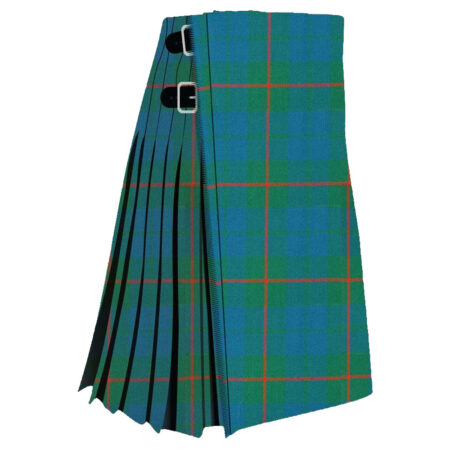 Listed in this tartan
Barclay Hunting Ancient Tartan Kilt
Available in Barclay Hunting Ancient
El precio original era: £210.00.£122.00El precio actual es: £122.00.View →
Kiltsthree styles
 Made to order
Great Kilt, 6 Yards
Available in Barclay Hunting Ancient
El precio original era: £205.00.£60.00El precio actual es: £60.00.Configure → Made to order
Tartan Utility Kilt
Available in Barclay Hunting Ancient
El precio original era: £110.00.£60.00El precio actual es: £60.00.Configure →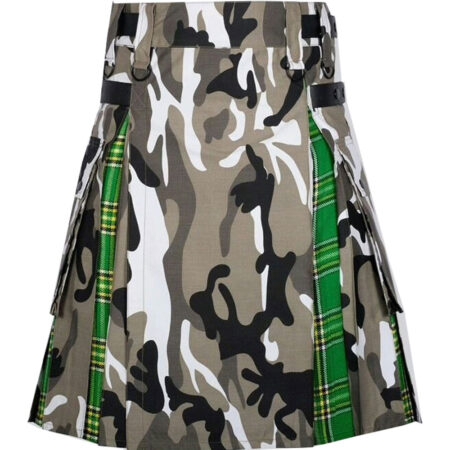 Made to order
Utility Cargo Hybrid Kilt
Available in Barclay Hunting Ancient
El precio original era: £110.00.£65.00El precio actual es: £65.00.Configure →
For womenfour styles
 Made to order
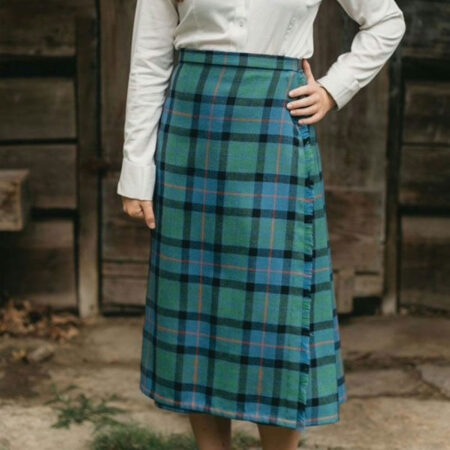
Tartan Kilt for Women
Available in Barclay Hunting Ancient
El precio original era: £120.00.£77.00El precio actual es: £77.00.Configure →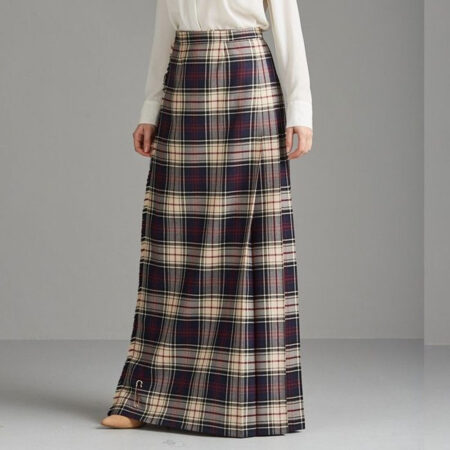 Made to order
The Classic Kilted Skirt, Maxi
Available in Barclay Hunting Ancient
El precio original era: £350.00.£89.00El precio actual es: £89.00.Configure → Made to order
Long Kilted Skirt, Maxi
Available in Barclay Hunting Ancient
El precio original era: £199.00.£145.00El precio actual es: £145.00.Configure →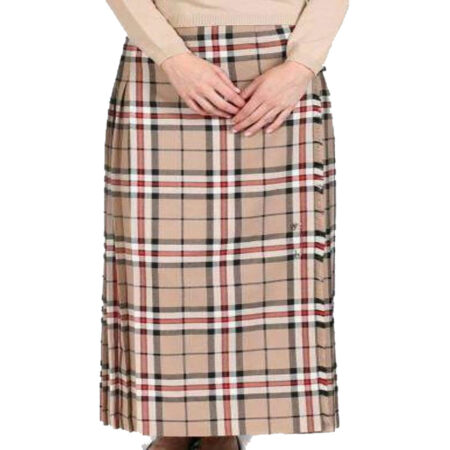 Made to order
Full Length Hostess Kilt
Available in Barclay Hunting Ancient
El precio original era: £135.00.£95.00El precio actual es: £95.00.Configure →
For childrenone style

Accessoriesfour styles
 Made to order
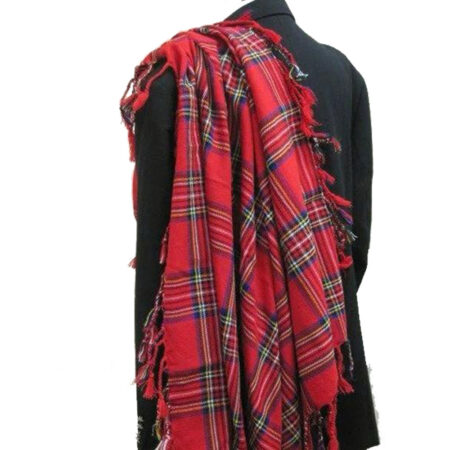
Tartan Fly Plaid
Available in Barclay Hunting Ancient
El precio original era: £80.00.£45.00El precio actual es: £45.00.Configure →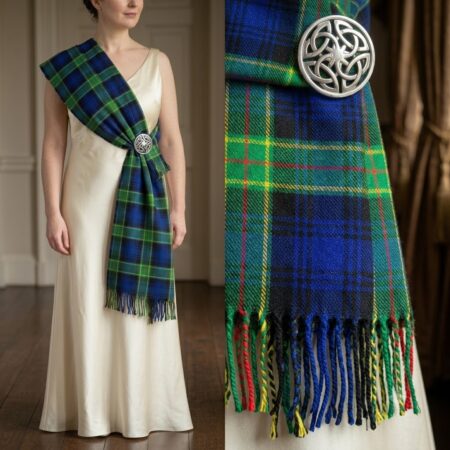 Made to order
Tartan Sash
Available in Barclay Hunting Ancient
El precio original era: £99.00.£49.00El precio actual es: £49.00.Configure →
Full Highland outfits39 styles
 Made to order
Men’s 8 Yard Prince Charlie Kilt Outfit
Available in Barclay Hunting Ancient
El precio original era: £499.00.£315.00El precio actual es: £315.00.Configure → Made to order
McCalls Highland Kilt Outfit With Argyll Jacket
Available in Barclay Hunting Ancient
El precio original era: £510.00.£270.00El precio actual es: £270.00.Configure →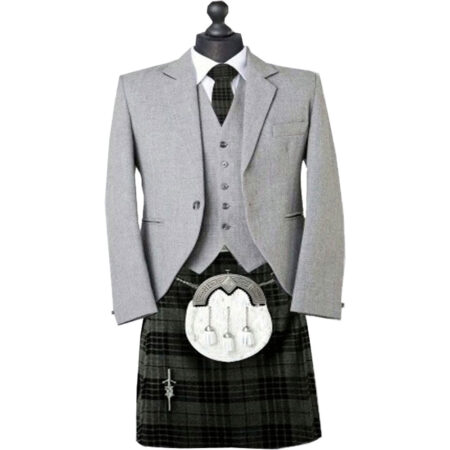 Made to order
Scottish Wedding Men Kilt Outfit
Available in Barclay Hunting Ancient
El precio original era: £700.00.£304.00El precio actual es: £304.00.Configure →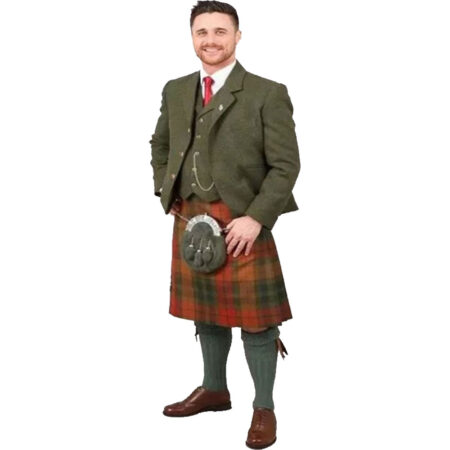 Made to order
Forest Green Tweed Jacket Kilt Outfit
Available in Barclay Hunting Ancient
El precio original era: £489.00.£249.99El precio actual es: £249.99.Configure →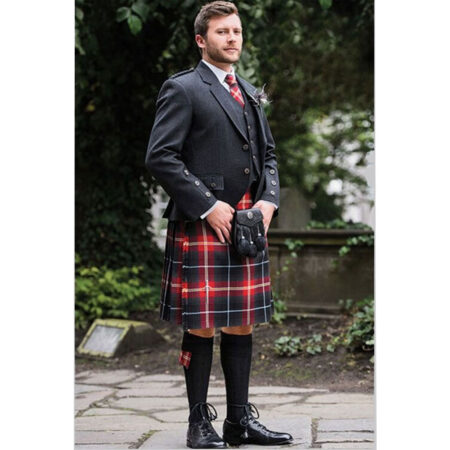 Made to order
Aberdeen Forever Tartan Argyll Kilt Outfit
Available in Barclay Hunting Ancient
El precio original era: £623.22.£300.00El precio actual es: £300.00.Configure →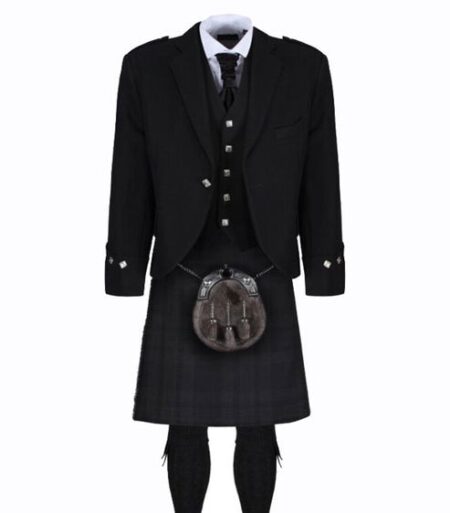 Made to order
Black Isle Argyll Jacket Kilt Outfit
Available in Barclay Hunting Ancient
El precio original era: £504.00.£315.00El precio actual es: £315.00.Configure →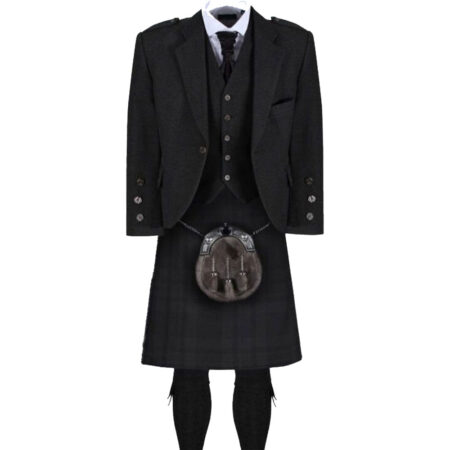 Made to order
Black Isle Dark Grey Tweed Jacket Kilt Outfit
Available in Barclay Hunting Ancient
El precio original era: £510.00.£315.00El precio actual es: £315.00.Configure →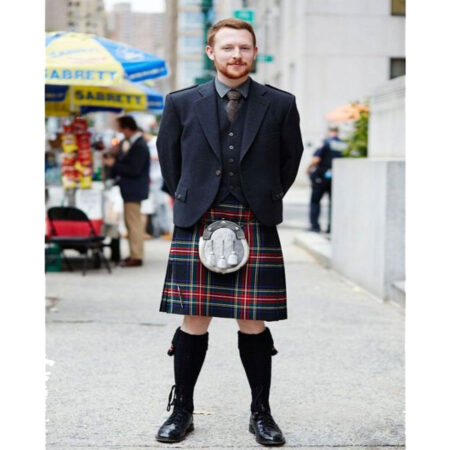 Made to order
Black Stewart Tartan Argyll Kilt Outfit
Available in Barclay Hunting Ancient
El precio original era: £467.22.£235.00El precio actual es: £235.00.Configure →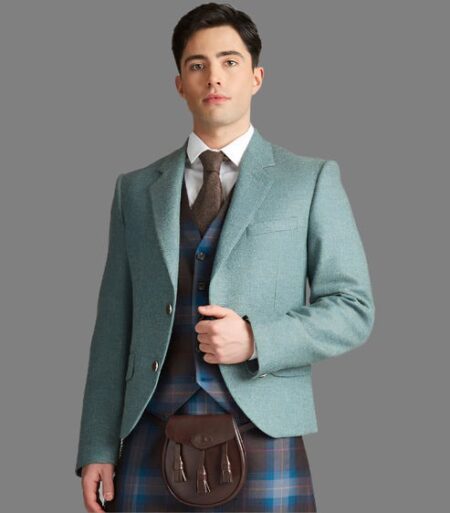 Made to order
Blue Lovat Tweed Jacket Kilt Outfit
Available in Barclay Hunting Ancient
El precio original era: £504.00.£350.00El precio actual es: £350.00.Configure →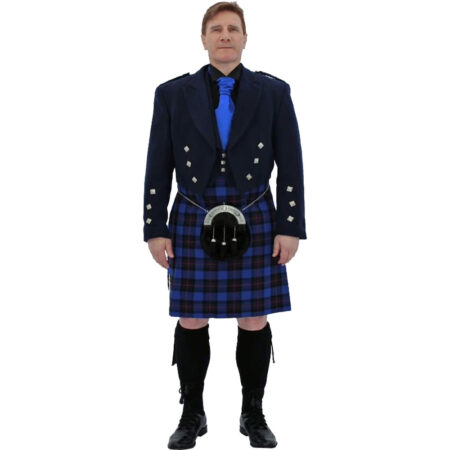 Made to order
Blue Prince Charlie Rangers Outfit
Available in Barclay Hunting Ancient
El precio original era: £500.00.£320.00El precio actual es: £320.00.Configure →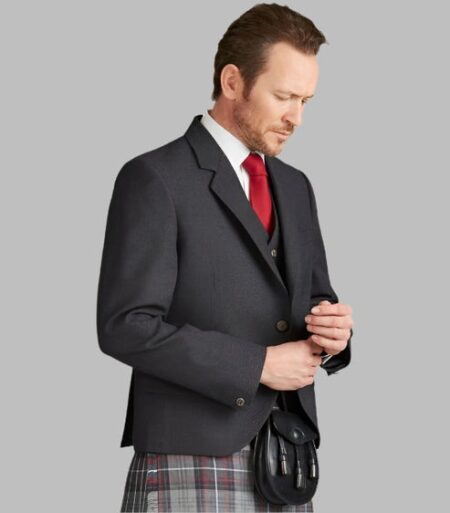 Made to order
Charcoal Grey Tweed Jacket Kilt Outfit
Available in Barclay Hunting Ancient
El precio original era: £504.00.£350.00El precio actual es: £350.00.Configure →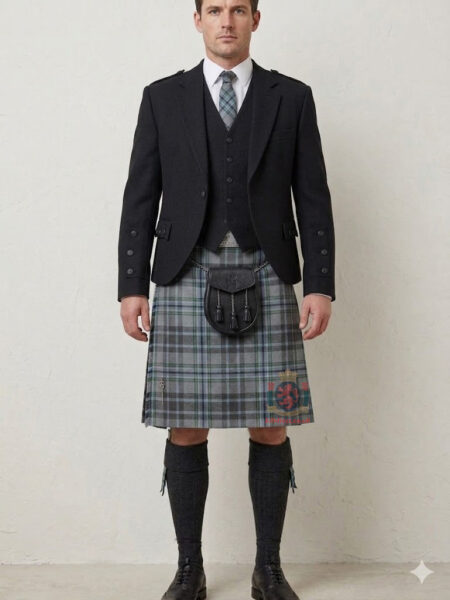 Made to order
Clan Giants Causeway JR679T Tartan Black Jacket Kilt Outfit
Available in Barclay Hunting Ancient
El precio original era: £545.00.£210.00El precio actual es: £210.00.Configure →
The sett
About the Barclay Hunting Ancient tartan
The chiefship of this name fell vacant as recently as November 2023, which makes it one of the few Scottish families whose line of chiefs can be followed to a date within living memory and then stops.
Berkeley, or Berkley
The surname is English and territorial before it is Scottish. It derives from a place called Berkeley or Berkley, and there are two candidates: Berkeley in Gloucestershire, where the Berkeley earls built their castle in 1153, and Berkley in Somerset, which appears in Domesday as Berchelei in 1086. Which of them the Scottish family took its name from has never been established. Nor is the date of arrival agreed. One family tradition has John de Berkeley, son of Roger de Berkeley, coming north in 1069 in the train of Saint Margaret; another puts a John de Berkeley in Scotland in 1124 with Maud, queen of David I. More recent work argues for two separate migrations, one in the early twelfth century and a second around 1220, which would explain why the traditions conflict without either being wholly wrong. The family is Anglo-Norman in origin; the particular route it took is not settled.
Chamberlain to the king, and a prisoner at Methven
The first firm fixture is an office, not a battle: by 1171 Sir Walter de Berkeley was Chamberlain of Scotland, which places the family near the centre of royal administration within a generation or two of its arrival. In the Wars of Independence Sir David Barclay fought for Robert Bruce and was taken at Methven, the disaster of 1306 that scattered the king’s first army. The principal seat became Towie Barclay in Aberdeenshire, and Balvaird Castle was also in family hands. The motto is Aut agere aut mori, either to act or to die, and the crest a hand holding a dagger on a chapeau doubled ermine.
Urie: a soldier, a Quaker, a bank — and Riga
The most consequential branch settled at Urie, near Stonehaven in Kincardineshire, in the seventeenth century. Colonel David Barclay, its first laird, was a professional soldier who served Gustavus Adolphus in Sweden, reached the rank of major and came home when civil war broke out in Britain. After 1660 he was imprisoned in Edinburgh Castle, and it was in prison that he became a Quaker. His son Robert Barclay, who lived from 1648 to 1690, became the most substantial theological writer the early Quakers produced; his Apology for the True Christian Divinity was published in 1675 and is still in print. The clan’s own account credits Robert’s second son David with founding the London bank that carries the family name.
A quite separate line went east. Peter Barclay, a merchant of the seventeenth century, settled in the Baltic, and from him descended Prince Michael Andreas Barclay de Tolly, who lived from 1761 to 1818. He was made Russian Minister of War in 1810, commanded the Russian armies against Napoleon’s invasion in 1812 and again in the War of the Sixth Coalition, and rose to field marshal and princely rank. His portrait hangs in the Hermitage.
Where the sett comes from
The tartan has a shorter and less distinguished pedigree than the family. Barclay appears among the seventy-five plates of the Vestiarium Scoticum, published in 1842 by the brothers who styled themselves John Sobieski Stuart and Charles Edward Stuart and who were in fact the sons of a Royal Navy lieutenant named Allen. Sir Walter Scott had already expressed doubts about them in writing in June 1829; a review of 1847 demolished their claim; and chemical testing in 1895 showed that one of the supporting manuscripts had been treated to appear older than it was. The plates were adopted regardless, and a great part of the Lowland and Border repertoire — Barclay with it — descends from that single book. No earlier cloth under the name is recorded among the specimens the Highland Society of London gathered from chiefs between 1815 and 1822.
Two settings of the Barclay pattern are in general use, a hunting version and a dress version, and they are distinct designs rather than different dye strengths. The words Ancient, Weathered and Muted, by contrast, describe how strongly the yarn has been dyed and are twentieth-century conventions: the ancient palette came first, weathered followed in the late 1940s and muted in the early 1970s. The threading in each case is the same.
A chiefship vacant since 2023
Peter Charles Barclay of Towie Barclay and of that Ilk was recognised chief of the name and died on 2 November 2023. There is at present no successor in the office, so the name stands without a chief while any claim works its way through the Court of the Lord Lyon. That has no practical bearing on wearing the sett. Anyone called Barclay, or descended from a Barclay line, may wear it, and the choice between the hunting and dress versions is a matter of taste and occasion rather than of entitlement.
Sources: Clan Barclay, Wikipedia; Vestiarium Scoticum and Sobieski Stuarts, Wikipedia; Scottish Tartans Authority, The History of Tartan.
Near neighbours
Other Barclay Hunting setts
The same pattern in different depths of colour. Any of them can be made up in any style above.
Not the sett you were after?
All 2.107 tartans are available to order, and any of them can be cut into any style on this page.


