
Home › Tartans › Buchanan Antique
Buchanan Antique Tartan
A clan and family tartan, available to order. Everything we make in Buchanan Antique: kilts, kilted skirts, accessories and full Highland outfits, every piece cut to your own measurements.
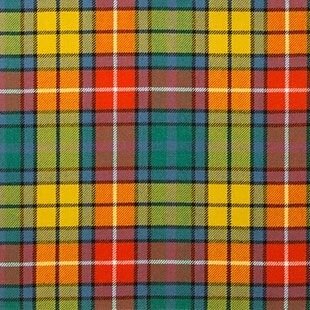
- Standard
Buchanan Antique Tartan · Standard
The Buchanan Antique tartan, made to order by Kilt 4 Less. Choose it for a kilt, a kilted skirt, an accessory or a full Highland outfit — everything below is cut to your own measurements.
- Tartan typeClan and family tartan
- Colours in it
- Brown
- Yellow
- Red
- Green
- Orange
- How it is madeMade to order and cut to your own measurements
Choose your product
Products in Buchanan Antique
Everything below can be made in the Buchanan Antique tartan. Choose a product, then pick your size and options on the next page — the tartan is already selected for you.
Listed in this tartantwo items
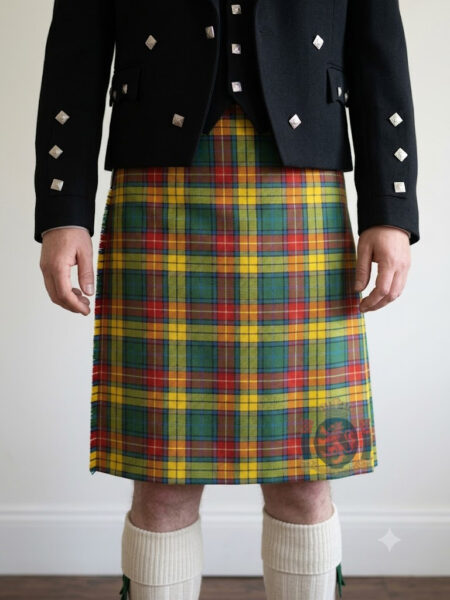 Listed in this tartan
Buchanan Antique Tartan Kilt
Available in Buchanan Antique
Le prix initial était : £189.00.£89.00Le prix actuel est : £89.00.View →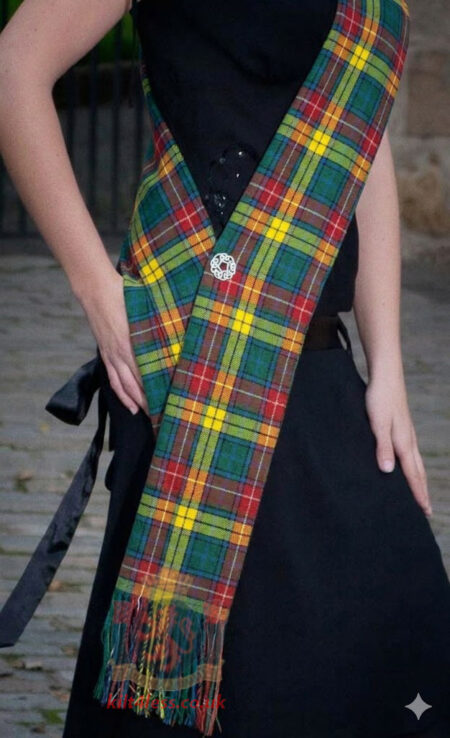 Listed in this tartan
Buchanan Antique Tartan Woman Sash
Available in Buchanan Antique
Le prix initial était : £120.00.£45.00Le prix actuel est : £45.00.View →
Kiltsthree styles
 Made to order
Great Kilt, 6 Yards
Available in Buchanan Antique
Le prix initial était : £205.00.£60.00Le prix actuel est : £60.00.Configure → Made to order
Tartan Utility Kilt
Available in Buchanan Antique
Le prix initial était : £110.00.£60.00Le prix actuel est : £60.00.Configure →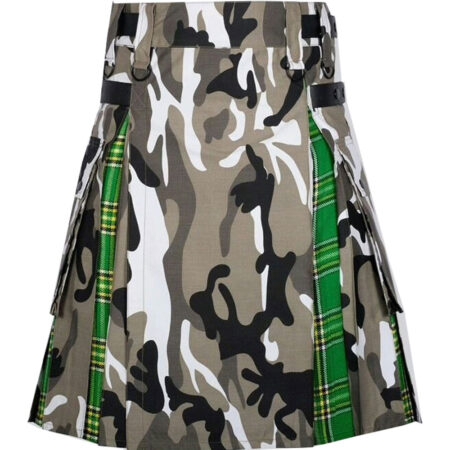 Made to order
Utility Cargo Hybrid Kilt
Available in Buchanan Antique
Le prix initial était : £110.00.£65.00Le prix actuel est : £65.00.Configure →
For womenfour styles
 Made to order
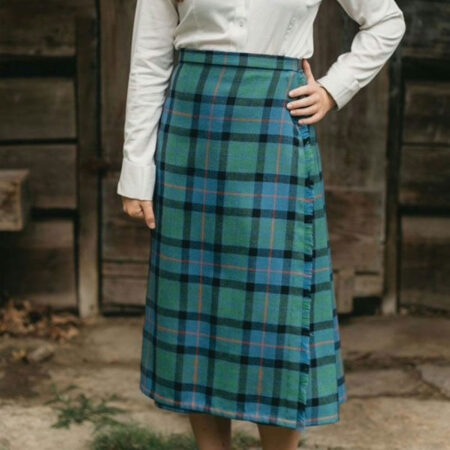
Tartan Kilt for Women
Available in Buchanan Antique
Le prix initial était : £120.00.£77.00Le prix actuel est : £77.00.Configure →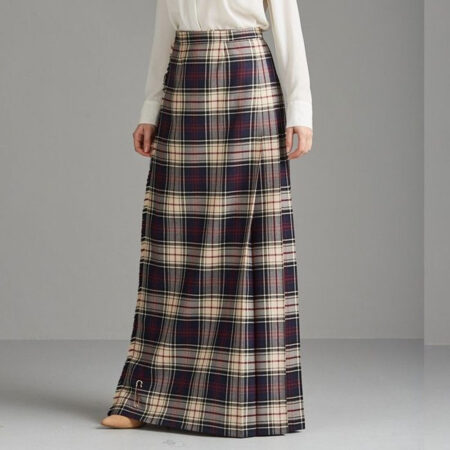 Made to order
The Classic Kilted Skirt, Maxi
Available in Buchanan Antique
Le prix initial était : £350.00.£89.00Le prix actuel est : £89.00.Configure → Made to order
Long Kilted Skirt, Maxi
Available in Buchanan Antique
Le prix initial était : £199.00.£145.00Le prix actuel est : £145.00.Configure →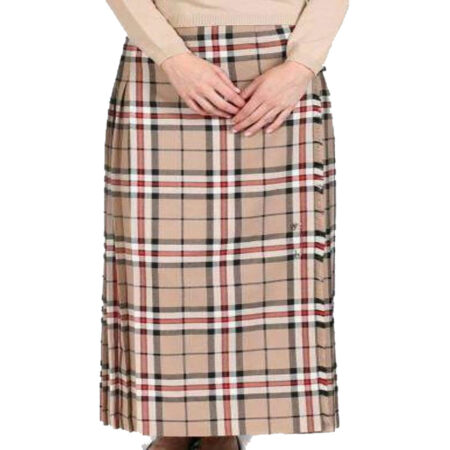 Made to order
Full Length Hostess Kilt
Available in Buchanan Antique
Le prix initial était : £135.00.£95.00Le prix actuel est : £95.00.Configure →
For childrenone style

Accessoriesfour styles
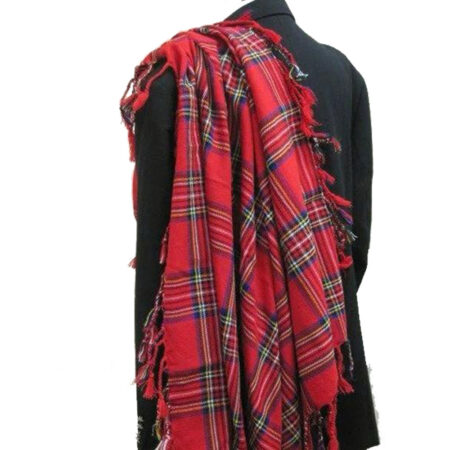 Made to order
Tartan Fly Plaid
Available in Buchanan Antique
Le prix initial était : £80.00.£45.00Le prix actuel est : £45.00.Configure →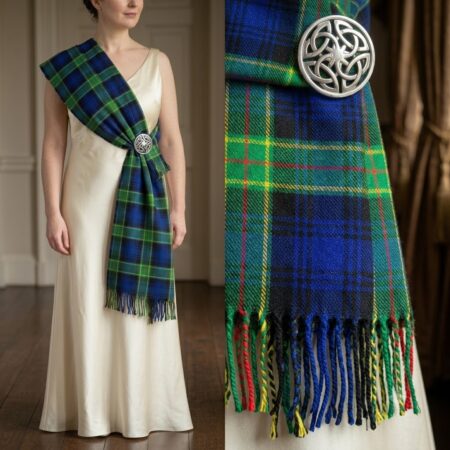 Made to order
Tartan Sash
Available in Buchanan Antique
Le prix initial était : £99.00.£49.00Le prix actuel est : £49.00.Configure →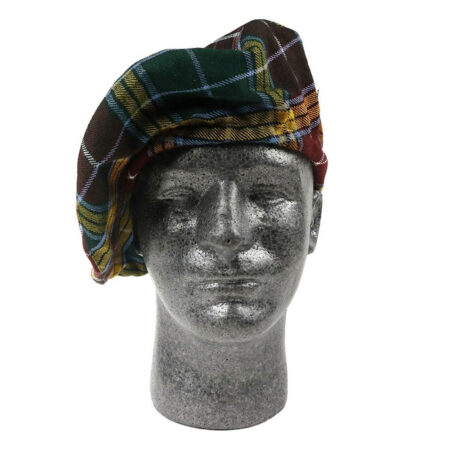
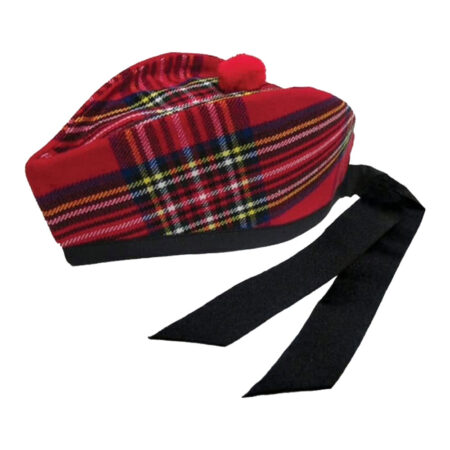
Full Highland outfits39 styles
 Made to order
Men’s 8 Yard Prince Charlie Kilt Outfit
Available in Buchanan Antique
Le prix initial était : £499.00.£315.00Le prix actuel est : £315.00.Configure → Made to order
McCalls Highland Kilt Outfit With Argyll Jacket
Available in Buchanan Antique
Le prix initial était : £510.00.£270.00Le prix actuel est : £270.00.Configure →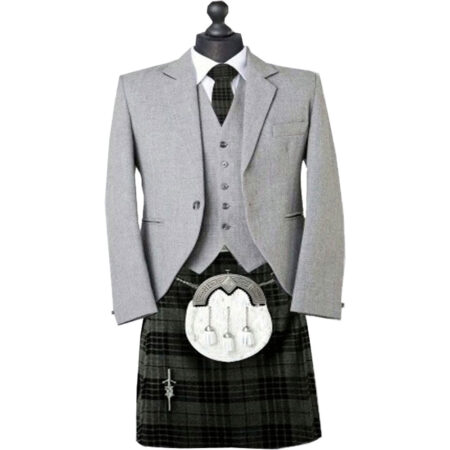 Made to order
Scottish Wedding Men Kilt Outfit
Available in Buchanan Antique
Le prix initial était : £700.00.£304.00Le prix actuel est : £304.00.Configure →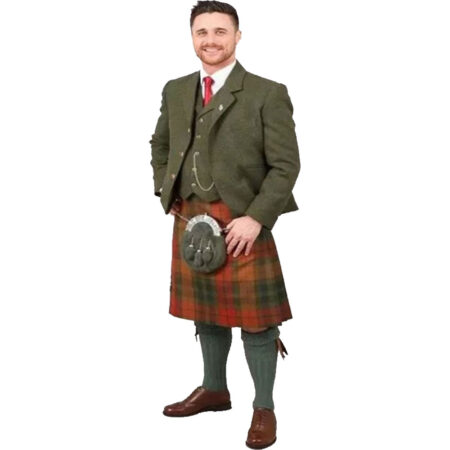 Made to order
Forest Green Tweed Jacket Kilt Outfit
Available in Buchanan Antique
Le prix initial était : £489.00.£249.99Le prix actuel est : £249.99.Configure →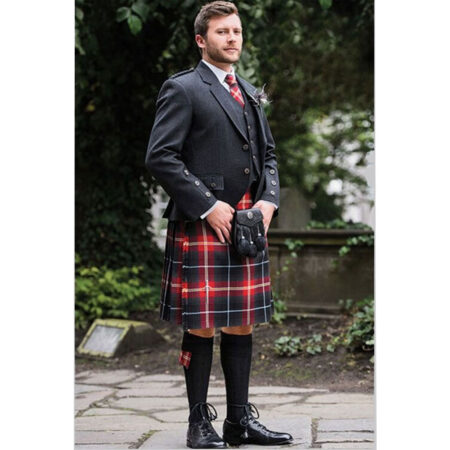 Made to order
Aberdeen Forever Tartan Argyll Kilt Outfit
Available in Buchanan Antique
Le prix initial était : £623.22.£300.00Le prix actuel est : £300.00.Configure →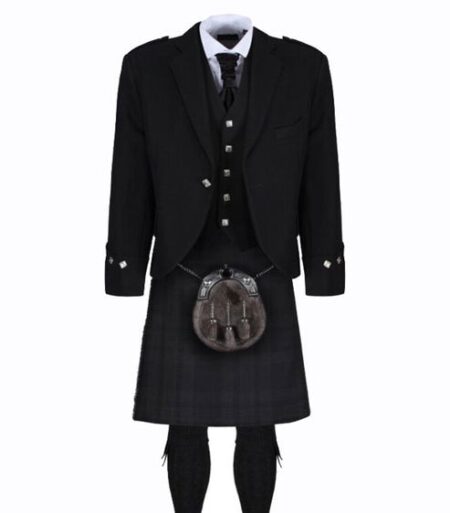 Made to order
Black Isle Argyll Jacket Kilt Outfit
Available in Buchanan Antique
Le prix initial était : £504.00.£315.00Le prix actuel est : £315.00.Configure →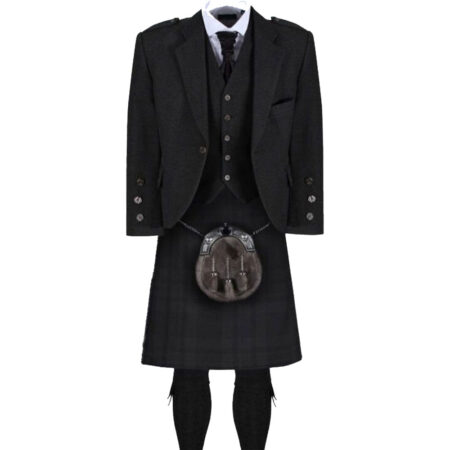 Made to order
Black Isle Dark Grey Tweed Jacket Kilt Outfit
Available in Buchanan Antique
Le prix initial était : £510.00.£315.00Le prix actuel est : £315.00.Configure →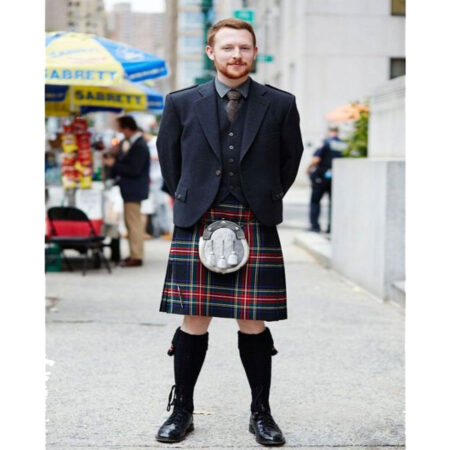 Made to order
Black Stewart Tartan Argyll Kilt Outfit
Available in Buchanan Antique
Le prix initial était : £467.22.£235.00Le prix actuel est : £235.00.Configure →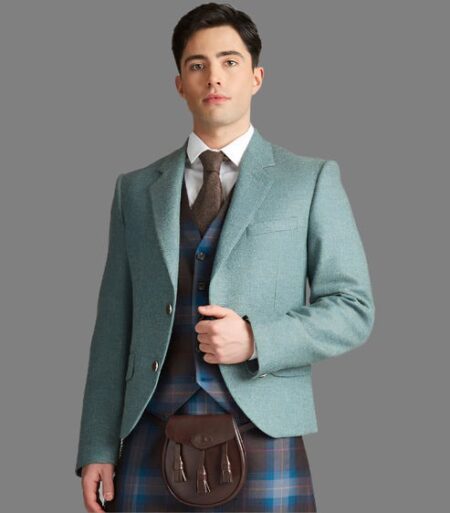 Made to order
Blue Lovat Tweed Jacket Kilt Outfit
Available in Buchanan Antique
Le prix initial était : £504.00.£350.00Le prix actuel est : £350.00.Configure →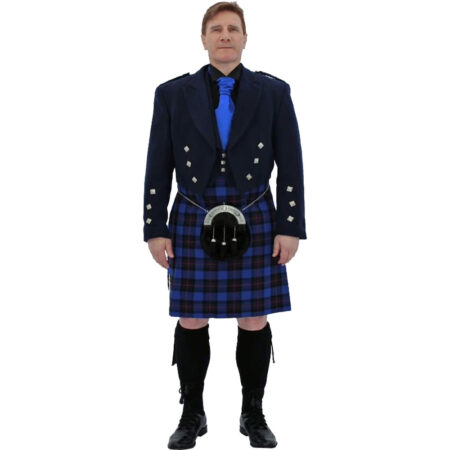 Made to order
Blue Prince Charlie Rangers Outfit
Available in Buchanan Antique
Le prix initial était : £500.00.£320.00Le prix actuel est : £320.00.Configure →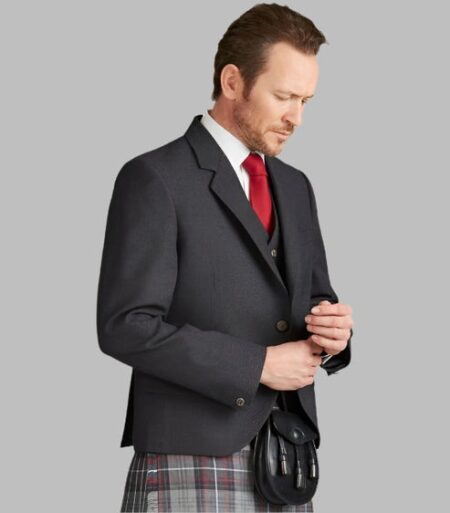 Made to order
Charcoal Grey Tweed Jacket Kilt Outfit
Available in Buchanan Antique
Le prix initial était : £504.00.£350.00Le prix actuel est : £350.00.Configure →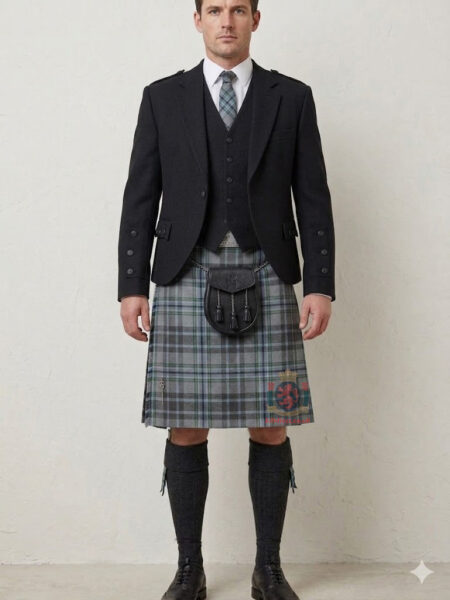 Made to order
Clan Giants Causeway JR679T Tartan Black Jacket Kilt Outfit
Available in Buchanan Antique
Le prix initial était : £545.00.£210.00Le prix actuel est : £210.00.Configure →
The sett
About the Buchanan Antique tartan
In August 2018 the Lord Lyon confirmed a chief of Buchanan for the first time since 1681, closing a gap of 337 years that had left one of the larger Scottish names legally headless.
The island charter of 1225
The family took its name from lands on the eastern shore of Loch Lomond, and the readings of the word all point at a churchman: Mac a’ Chanonaich, son of the canon, or Buth Chanain, the house or seat of the canon. The earliest solid document belongs to the reign of Maldouen, Earl of Lennox, who held the earldom from 1217 to 1250. In 1225 an Anselan, the third of that name, received the island of Clairinch in Loch Lomond and is described in the earl’s service as clericus meus, my clerk. He appears later as Absalom de Buchanan. In 1231 Gilbert de Buchanan, seneschal to the Earl of Lennox, obtained a charter confirming Clairinch together with other Buchanan lands, and the documented line of chiefs is usually counted from him.
Behind that sits a much better story and a much worse source. Tradition takes the chiefly line to Anselan O Kyan of the Irish Ó Catháin, described as a provincial king in north Ulster with his seat at Limavady, who is said to have landed in Argyll around 1016 and to have been given the Loch Lomond lands by Malcolm II as a reward for fighting Danes. Historians treat this as an origin myth; it conflicts with the record and cannot be reconciled with the charters. A separate modern claim, from surname genetics rather than from documents, reports a strong link between Buchanan and MacGregor lines with a common ancestor far earlier than either family history allows. That is a finding about biology and not a substitute for evidence about descent.
France, Albany and a tutor to a king
The Buchanan chiefs were persistently on the losing side of large events. Sir Maurice Buchanan refused the Ragman Roll during the wars of independence and held to Robert Bruce. Sir Alexander Buchanan led men at Baugé in 1421, where the Duke of Clarence was killed, and died three years later at Verneuil. Sir Walter Buchanan, twelfth chief, married Isobel Stewart, daughter of Murdoch Stewart, Duke of Albany, which brought the family close to a royal house and then close to its destruction. Sir George Buchanan, eighteenth chief, commanded the Stirlingshire regiment in the civil wars, fought at Dunbar, was taken at Inverkeithing and died a prisoner in 1651. The best known bearer of the name was no chief at all: George Buchanan, born at Killearn in Buchanan country in February 1506 and dead in Edinburgh in September 1582, tutor to James VI and author of De Jure Regni apud Scotos, a book on the limits of kingship that parliament later condemned.
The long vacancy
John Buchanan, the last chief of the direct line, died about 1681 without a male heir. He attempted to route the chiefship through the marriage of his daughter Elizabeth; the arrangements failed. The estate went piecemeal to creditors as debt accumulated, and by the close of the century the Buchanan lands had passed to the Marquess of Montrose, whose descendants made them their principal seat. The mansion called Buchanan Castle is a Graham house, not a Buchanan one: it was built between 1852 and 1858 to William Burn’s design for the fourth Duke of Montrose after fire destroyed the older house in December 1852, and it has stood roofless since 1954. Cadet branches claimed the chiefship for generations without Lyon Court recognition. The matter closed in August 2018, when the Lord Lyon confirmed John Michael Baillie-Hamilton Buchanan, born 14 September 1958 and representing the Buchanan of Leny line, as Chief of the Name and Arms of Buchanan, having determined that the competing branches of Auchmar and Spittall were extinct in law and in fact.
Wearing a sett with a new chief behind it
The tartan needs no permission. Buchanan is a common name and the sett is worn freely by anyone who carries it or descends from a Buchanan line; the 2018 confirmation changed the clan’s legal standing, not the etiquette of dress. What the sources consulted here do not supply is a date for the sett itself. Named family patterns belong mostly to the commercial era after about 1765, when the Bannockburn firm of Wilson standardised designs and sold them under family names, and a great many were fixed in print by the Vestiarium Scoticum of 1842, a volume whose claimed medieval source has long been rejected. Where a Buchanan kilt is labelled Ancient, Weathered or Muted, the threading is unchanged and only the dye strengths differ.
Sources: Clan Buchanan, Wikipedia; Buchanan Castle, Wikipedia; George Buchanan, Wikipedia; Vestiarium Scoticum, Wikipedia; Peter Eslea MacDonald, tartan history papers, scottishtartans.co.uk.
Not the sett you were after?
All 2 107 tartans are available to order, and any of them can be cut into any style on this page.


