
Home › Tartans › Anderson of Kinneddar Hunting Ancient
Anderson of Kinneddar Hunting Ancient Tartan
A clan and family tartan, available to order. Everything we make in Anderson of Kinneddar Hunting Ancient: kilts, kilted skirts, accessories and full Highland outfits, every piece cut to your own measurements.
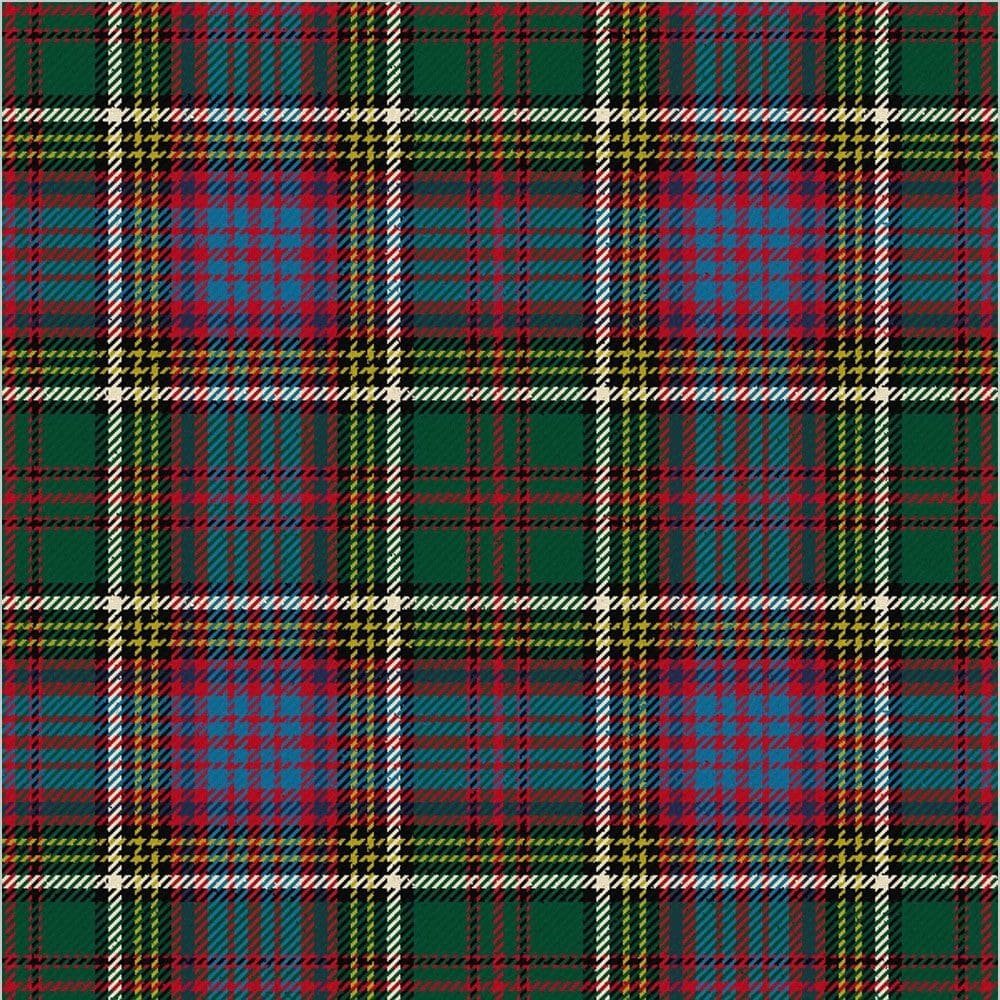
- Ancient
Anderson of Kinneddar Hunting Ancient Tartan · Ancient
The Anderson of Kinneddar Hunting Ancient tartan, made to order by Kilt 4 Less. Choose it for a kilt, a kilted skirt, an accessory or a full Highland outfit — everything below is cut to your own measurements.
- Tartan typeClan and family tartan
- Colours in it
- Black
- Green
- Grey
- Brown
- How it is madeMade to order and cut to your own measurements
Choose your product
Products in Anderson of Kinneddar Hunting Ancient
Everything below can be made in the Anderson of Kinneddar Hunting Ancient tartan. Choose a product, then pick your size and options on the next page — the tartan is already selected for you.
Listed in this tartanone item
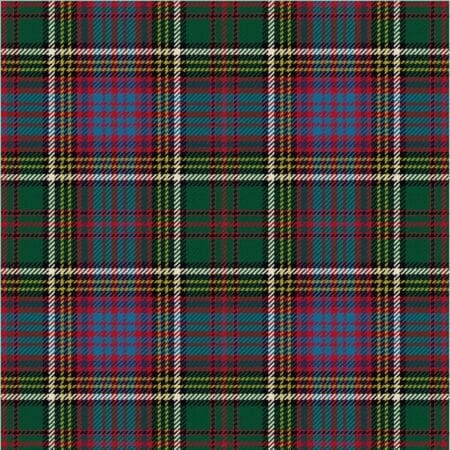 Listed in this tartan
Anderson of Kinneddar Hunting Ancient Tartan Kilt
Available in Anderson of Kinneddar Hunting Ancient
Original price was: £241.80.£159.00Current price is: £159.00.View →
Kiltsthree styles
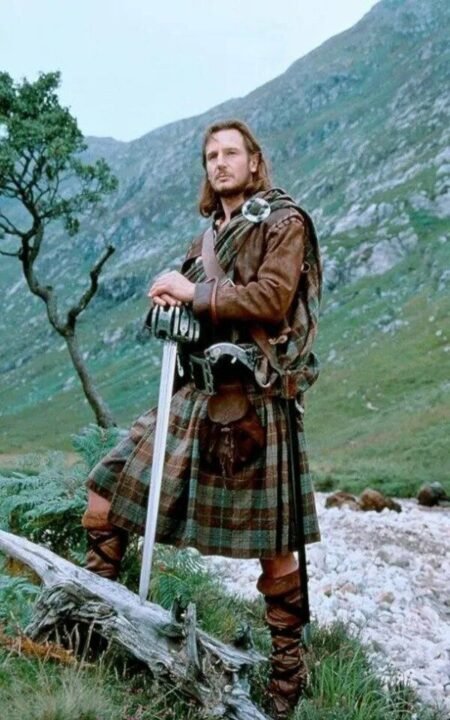 Made to order
Great Kilt, 6 Yards
Available in Anderson of Kinneddar Hunting Ancient
Original price was: £205.00.£60.00Current price is: £60.00.Configure → Made to order
Tartan Utility Kilt
Available in Anderson of Kinneddar Hunting Ancient
Original price was: £110.00.£60.00Current price is: £60.00.Configure →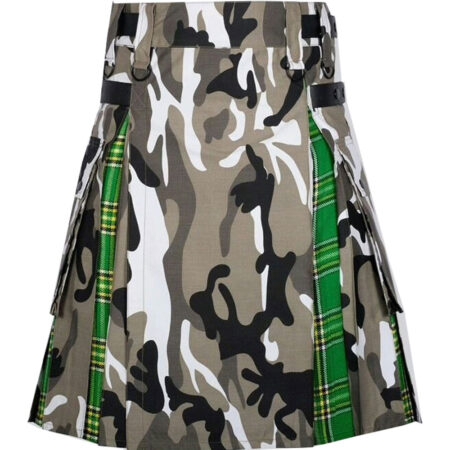 Made to order
Utility Cargo Hybrid Kilt
Available in Anderson of Kinneddar Hunting Ancient
Original price was: £110.00.£65.00Current price is: £65.00.Configure →
For womenfour styles
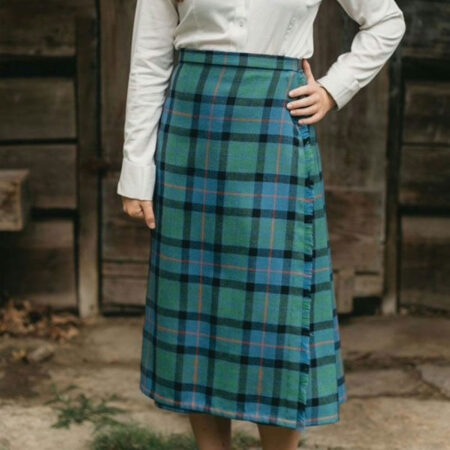 Made to order
Tartan Kilt for Women
Available in Anderson of Kinneddar Hunting Ancient
Original price was: £120.00.£77.00Current price is: £77.00.Configure →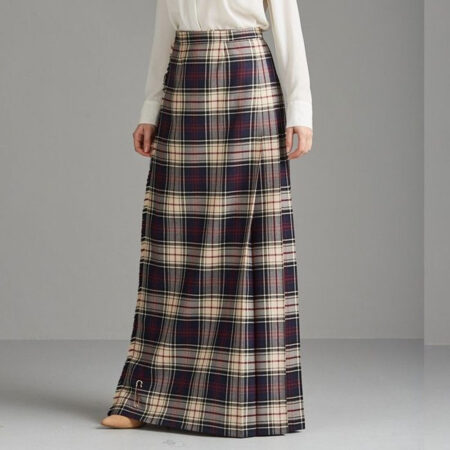 Made to order
The Classic Kilted Skirt, Maxi
Available in Anderson of Kinneddar Hunting Ancient
Original price was: £350.00.£89.00Current price is: £89.00.Configure → Made to order
Long Kilted Skirt, Maxi
Available in Anderson of Kinneddar Hunting Ancient
Original price was: £199.00.£145.00Current price is: £145.00.Configure →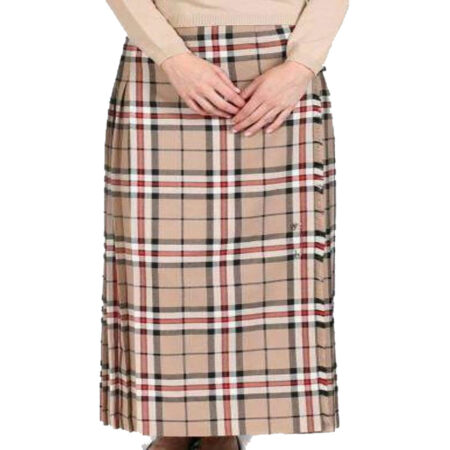 Made to order
Full Length Hostess Kilt
Available in Anderson of Kinneddar Hunting Ancient
Original price was: £135.00.£95.00Current price is: £95.00.Configure →
For childrenone style

Accessoriesfour styles
 Made to order
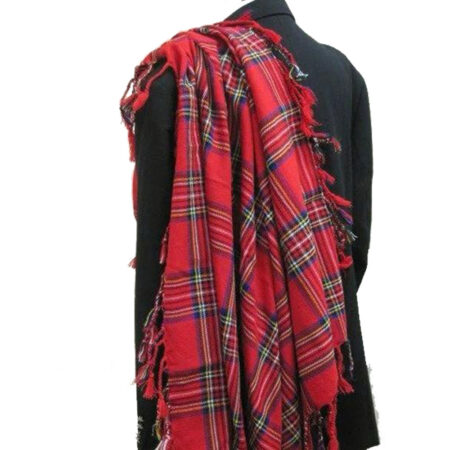
Tartan Fly Plaid
Available in Anderson of Kinneddar Hunting Ancient
Original price was: £80.00.£45.00Current price is: £45.00.Configure →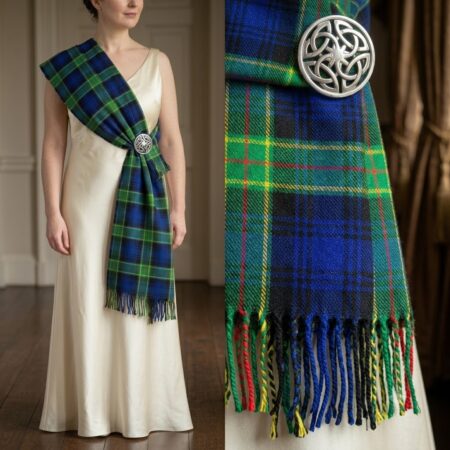 Made to order
Tartan Sash
Available in Anderson of Kinneddar Hunting Ancient
Original price was: £99.00.£49.00Current price is: £49.00.Configure →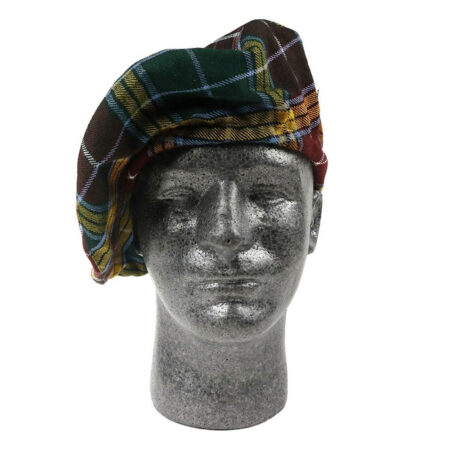
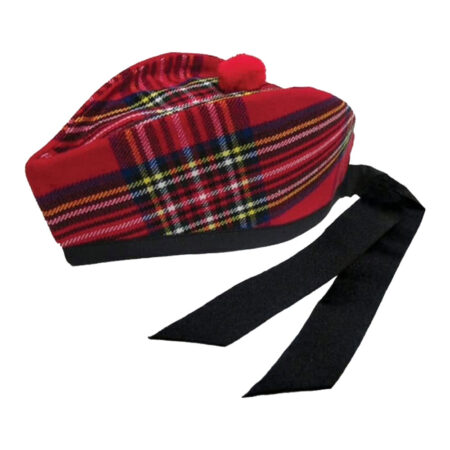
Full Highland outfits39 styles
 Made to order
Men’s 8 Yard Prince Charlie Kilt Outfit
Available in Anderson of Kinneddar Hunting Ancient
Original price was: £499.00.£315.00Current price is: £315.00.Configure → Made to order
McCalls Highland Kilt Outfit With Argyll Jacket
Available in Anderson of Kinneddar Hunting Ancient
Original price was: £510.00.£325.00Current price is: £325.00.Configure →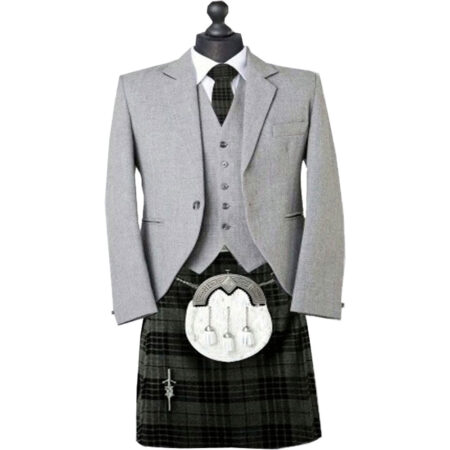 Made to order
Scottish Wedding Men Kilt Outfit
Available in Anderson of Kinneddar Hunting Ancient
Original price was: £700.00.£304.00Current price is: £304.00.Configure →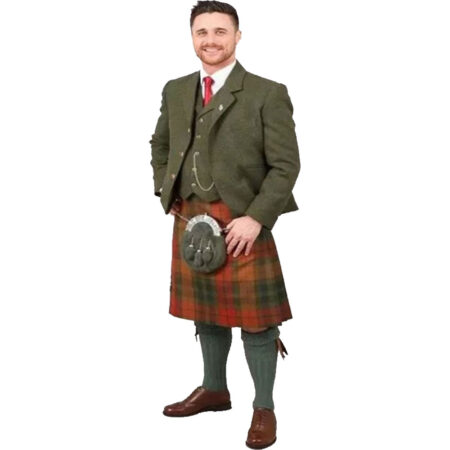 Made to order
Forest Green Tweed Jacket Kilt Outfit
Available in Anderson of Kinneddar Hunting Ancient
Original price was: £489.00.£249.99Current price is: £249.99.Configure →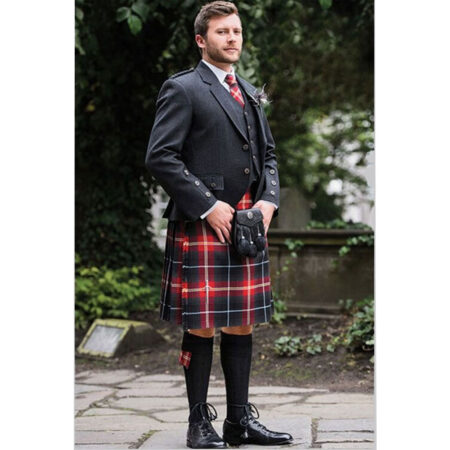 Made to order
Aberdeen Forever Tartan Argyll Kilt Outfit
Available in Anderson of Kinneddar Hunting Ancient
Original price was: £623.22.£300.00Current price is: £300.00.Configure →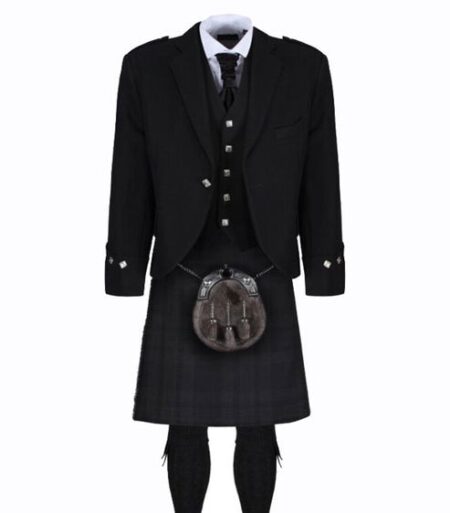 Made to order
Black Isle Argyll Jacket Kilt Outfit
Available in Anderson of Kinneddar Hunting Ancient
Original price was: £504.00.£315.00Current price is: £315.00.Configure →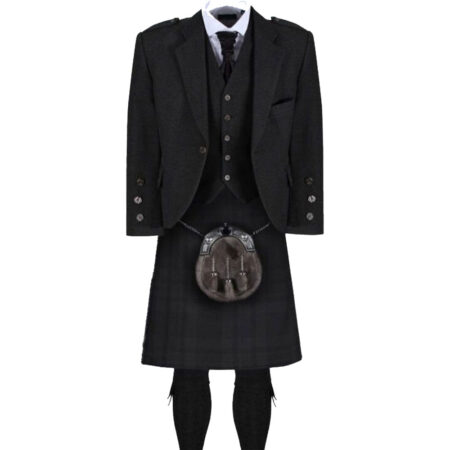 Made to order
Black Isle Dark Grey Tweed Jacket Kilt Outfit
Available in Anderson of Kinneddar Hunting Ancient
Original price was: £510.00.£315.00Current price is: £315.00.Configure →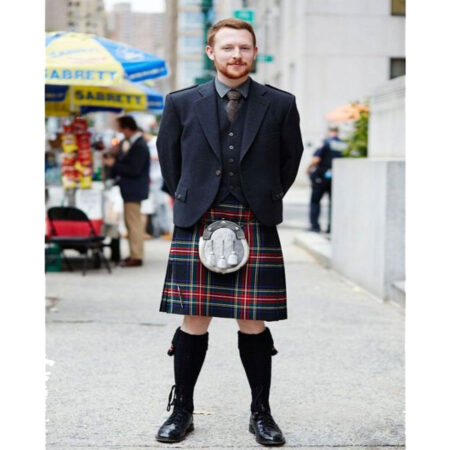 Made to order
Black Stewart Tartan Argyll Kilt Outfit
Available in Anderson of Kinneddar Hunting Ancient
Original price was: £467.22.£235.00Current price is: £235.00.Configure →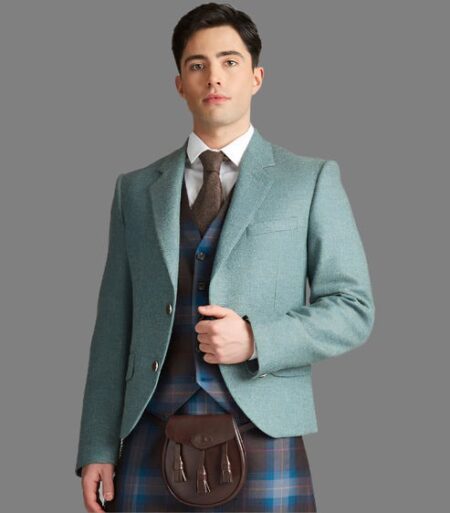 Made to order
Blue Lovat Tweed Jacket Kilt Outfit
Available in Anderson of Kinneddar Hunting Ancient
Original price was: £504.00.£350.00Current price is: £350.00.Configure →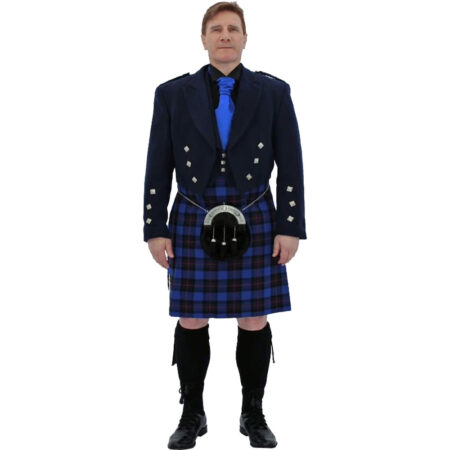 Made to order
Blue Prince Charlie Rangers Outfit
Available in Anderson of Kinneddar Hunting Ancient
Original price was: £500.00.£320.00Current price is: £320.00.Configure →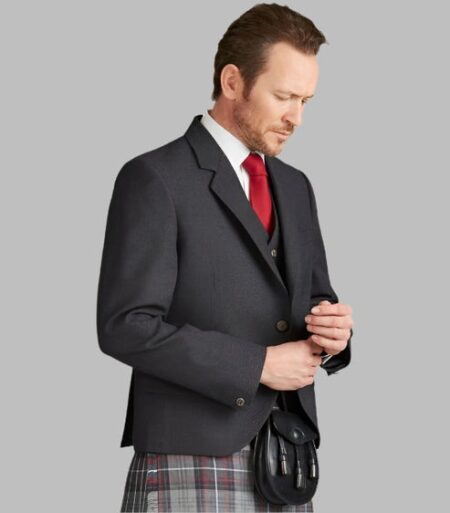 Made to order
Charcoal Grey Tweed Jacket Kilt Outfit
Available in Anderson of Kinneddar Hunting Ancient
Original price was: £504.00.£350.00Current price is: £350.00.Configure →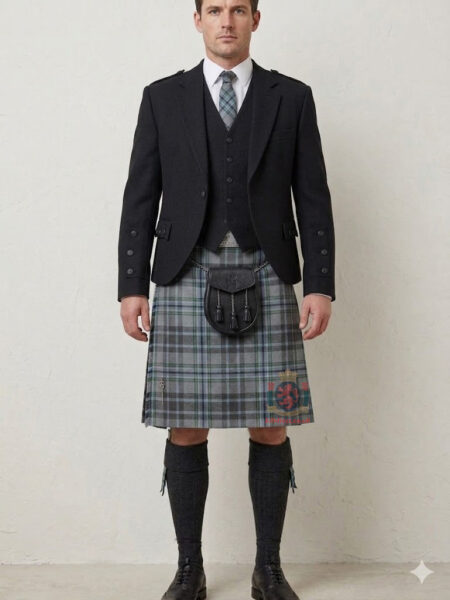 Made to order
Clan Giants Causeway JR679T Tartan Black Jacket Kilt Outfit
Available in Anderson of Kinneddar Hunting Ancient
Original price was: £545.00.£299.00Current price is: £299.00.Configure →
The sett
About the Anderson Of Kinneddar Hunting Ancient tartan
A name shared by half of Scotland with no chief to speak for it nonetheless has one of the earliest datable setts on record, and one of the busiest.
One saint, too many families
Anderson is a patronymic of the plainest kind: the son of Andrew. Because Andrew is the patron saint of Scotland the given name was used in every part of the country, Gaelic-speaking and Scots-speaking alike, so the surname arose independently many times over and cannot be traced to one house or one glen. The Gaelic forms run alongside the Scots: Gilleaindreas, servant of Andrew, and Mac Aindrais. Ian Grimble made the point bluntly — arms were granted to an Anderson of that ilk in the sixteenth century, but the commonness of the name makes any attempt to fix its birthplace pointless. Early bearers turn up where burgh records survive rather than where clan histories do: Andersons appear as burgesses in Peebles and in Dumfries, and a John Anderson sat as commissioner for Cupar in 1585.
Clan Gillandrish and the Kinrara manuscript
The Highland side of the name is a different story and better documented. In the Clan Chattan confederation the MacAndrews appear as Clan Andrish, also written Clan Gillandrish. The Kinrara manuscript records a Donald MacGillandris in the bridal retinue of Mora MacDonald of Moydart, who became the wife of the tenth chief of Mackintosh, and says the family settled at Connage in the parish of Petty. The same family is named in a royal summons of 1513 over what the document calls the “maisterfull spoliatioun” of Halhill, alongside Dougal Mor Mackintosh. That is about as firm as sept evidence gets: a named man, a named place, a dated legal process.
The associations pull in more than one direction, and the lists do not agree. MacAndrew is counted a sept of Mackintosh and so of Clan Chattan; Anderson, Andison and Andrew are listed among the dependants of Clan Ross; MacAndrews are also claimed by MacDonell of Glengarry. Anyone of the name looking for a single clan affiliation will not find one: several have a reasonable claim and none an exclusive one.
A seven-colour sett dated 1815
The tartan is more interesting than the usual Lowland pattern because of when it turns up. In 1815 the Highland Society of London began writing to chiefs asking for authenticated specimens of their tartans, and between then and 1822 fifty-five pieces were certified and bound into the Society’s volume. The Anderson sett is recorded as having been collected in that 1815 exercise, and it is described as having an azure ground and running to seven colours — an unusually crowded pattern by the standards of the period, when four or five were normal.
Two things follow. The first is that Anderson is not one of the Victorian inventions. The name does not appear among the seventy-five plates of the Vestiarium Scoticum of 1842, the forged compilation from which a great many Lowland family setts were taken, so whatever else may be said about the pattern it did not come out of that book. The second is a puzzle the record does not solve: the Society’s method was to approach chiefs, and Anderson had no chief then and has none now. Who supplied the cloth, and on whose authority, is not something the collection explains.
The colourway names — Ancient or Old, Weathered, Muted — are dye-strength conventions rather than separate designs, all of them twentieth-century: the ancient palette first, weathered in the late 1940s, muted in the early 1970s. The threading underneath does not change.
No chief, and what follows from that
The Court of the Lord Lyon classes Anderson as an armigerous name: arms exist, but no chief is recognised, and there has been no chief for long enough that no living claim is on the table. In practice a Clan Anderson Society founded in North America in 1973 does the work an official body would do, and received a grant of arms in its own right in 2014, with Hope Vere Anderson, Baron of Bannockburn, acting as its chieftain. That is not the same thing as a chief of the name and the Society does not pretend otherwise.
With no chief there is no one to grant or withhold permission, and no branch sett to defer to. Anyone of the name, or with an Anderson in the family, may wear the sett; those who prefer to follow the Highland line may wear Mackintosh or Ross instead on the strength of the sept connection. The name has produced a scattered and mostly civilian distinction — Alexander Anderson the mathematician, who published on algebra and geometry in Paris; David Anderson of Finshaugh, who cleared the obstructing rock from Aberdeen harbour; William Anderson, whose three-volume The Scottish Nation appeared in 1863; and John Anderson, first Viscount Waverley, whose name went on the garden shelters of 1939 — and no clan seat at all.
Sources: Clan Anderson, Clan Chattan, Clan Ross and Clan Mackintosh, Wikipedia; Vestiarium Scoticum, Wikipedia; Scottish Tartans Authority, The History of Tartan.
Not the sett you were after?
All 2,107 tartans are available to order, and any of them can be cut into any style on this page.