
Home › Tartans › Armstrong Ancient
Armstrong Ancient Tartan
A clan and family tartan, available to order. Everything we make in Armstrong Ancient: kilts, kilted skirts, accessories and full Highland outfits, every piece cut to your own measurements.
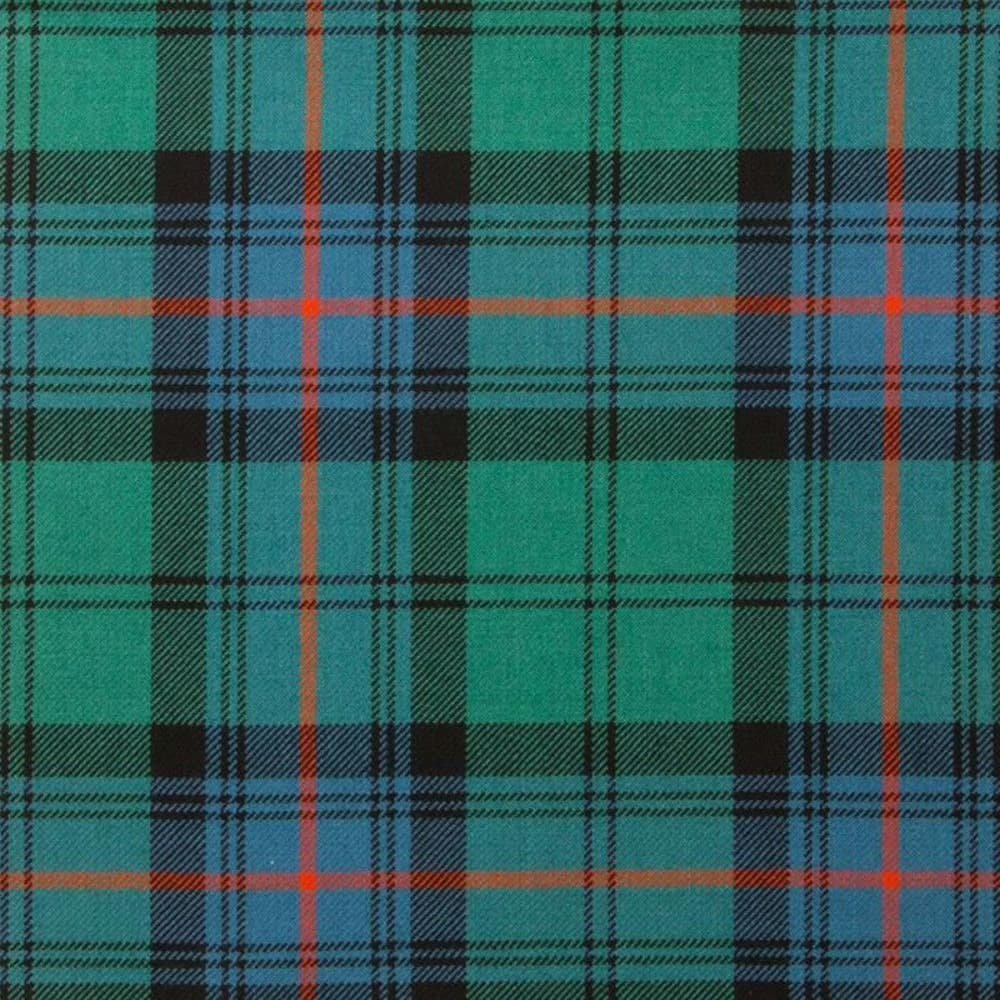
- Ancient
 Modern
Armstrong Ancient Tartan · Ancient
The Armstrong Ancient tartan, made to order by Kilt 4 Less. Choose it for a kilt, a kilted skirt, an accessory or a full Highland outfit — everything below is cut to your own measurements.
- Tartan typeClan and family tartan
- Colours in it
- Teal
- Black
- Grey
- Green
- Settings availableAncient and Modern
- How it is madeMade to order and cut to your own measurements
Choose your product
Products in Armstrong Ancient
Everything below can be made in the Armstrong Ancient tartan. Choose a product, then pick your size and options on the next page — the tartan is already selected for you.
Listed in this tartanone item
 Listed in this tartan
Armstrong Ancient Tartan Kilt
Available in Armstrong Ancient
Original price was: £241.80.£159.00Current price is: £159.00.View →
Kiltsthree styles
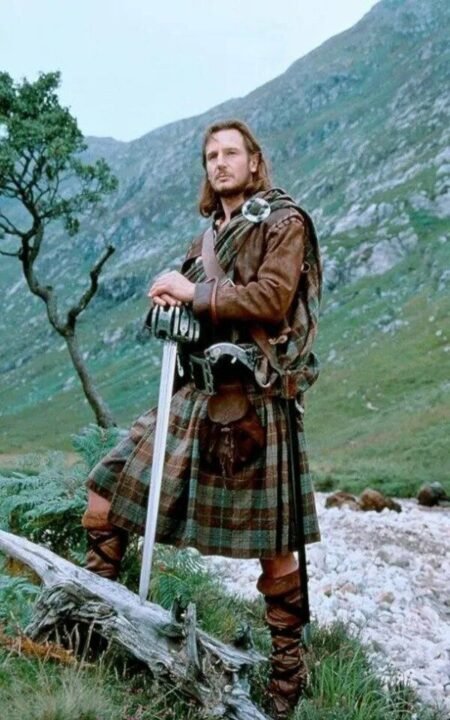 Made to order
Great Kilt, 6 Yards
Available in Armstrong Ancient
Original price was: £205.00.£60.00Current price is: £60.00.Configure → Made to order
Tartan Utility Kilt
Available in Armstrong Ancient
Original price was: £110.00.£60.00Current price is: £60.00.Configure →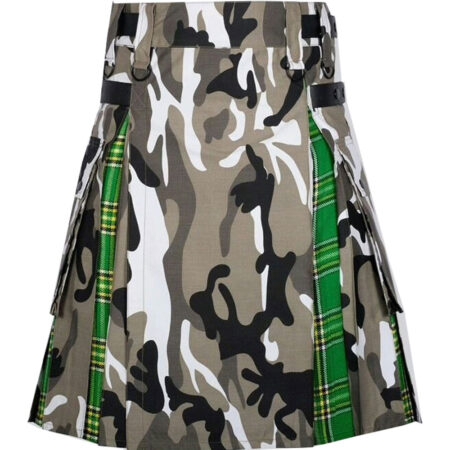 Made to order
Utility Cargo Hybrid Kilt
Available in Armstrong Ancient
Original price was: £110.00.£65.00Current price is: £65.00.Configure →
For womenfour styles
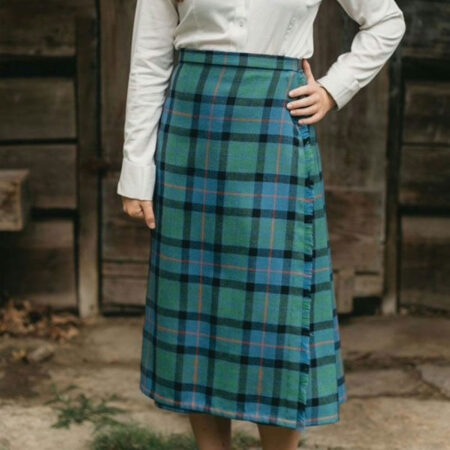 Made to order
Tartan Kilt for Women
Available in Armstrong Ancient
Original price was: £120.00.£77.00Current price is: £77.00.Configure →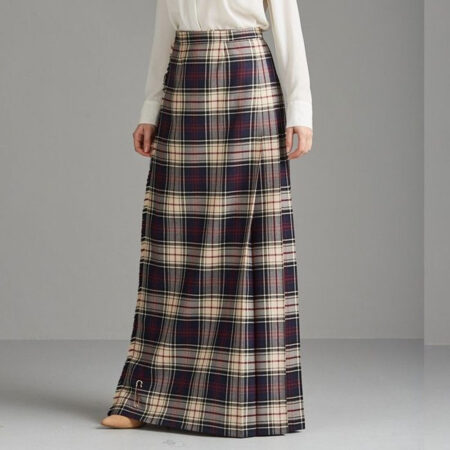 Made to order
The Classic Kilted Skirt, Maxi
Available in Armstrong Ancient
Original price was: £350.00.£89.00Current price is: £89.00.Configure → Made to order
Long Kilted Skirt, Maxi
Available in Armstrong Ancient
Original price was: £199.00.£145.00Current price is: £145.00.Configure →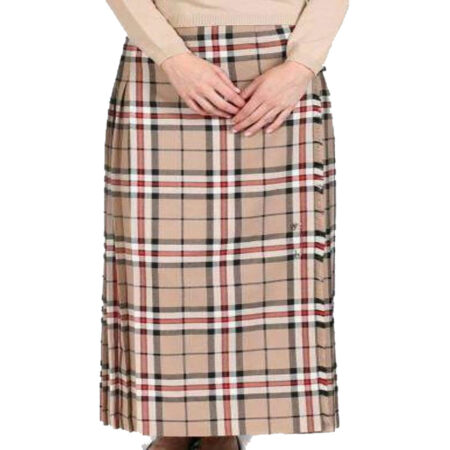 Made to order
Full Length Hostess Kilt
Available in Armstrong Ancient
Original price was: £135.00.£95.00Current price is: £95.00.Configure →
For childrenone style

Accessoriesfour styles
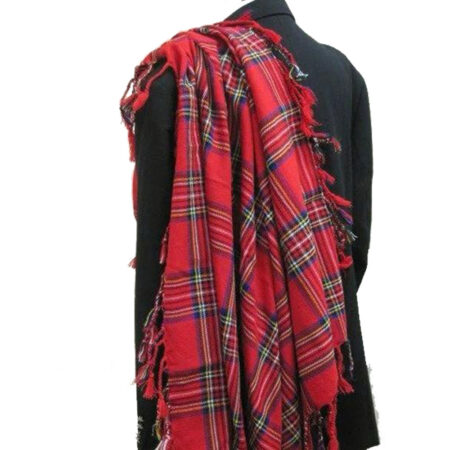 Made to order
Tartan Fly Plaid
Available in Armstrong Ancient
Original price was: £80.00.£45.00Current price is: £45.00.Configure →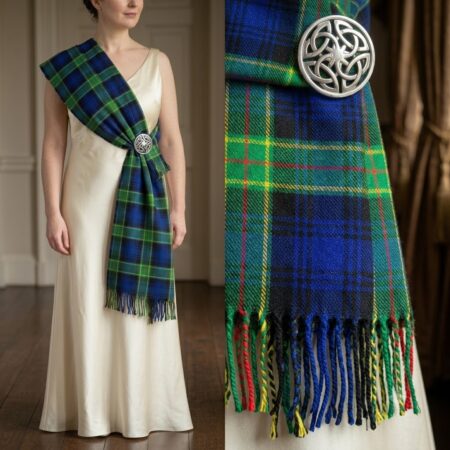 Made to order
Tartan Sash
Available in Armstrong Ancient
Original price was: £99.00.£49.00Current price is: £49.00.Configure →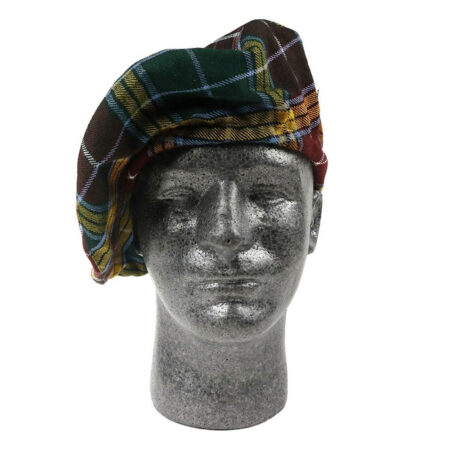
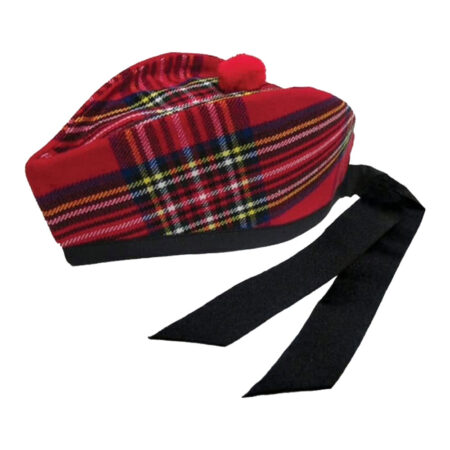
Full Highland outfits39 styles
 Made to order
Men’s 8 Yard Prince Charlie Kilt Outfit
Available in Armstrong Ancient
Original price was: £499.00.£315.00Current price is: £315.00.Configure → Made to order
McCalls Highland Kilt Outfit With Argyll Jacket
Available in Armstrong Ancient
Original price was: £510.00.£325.00Current price is: £325.00.Configure →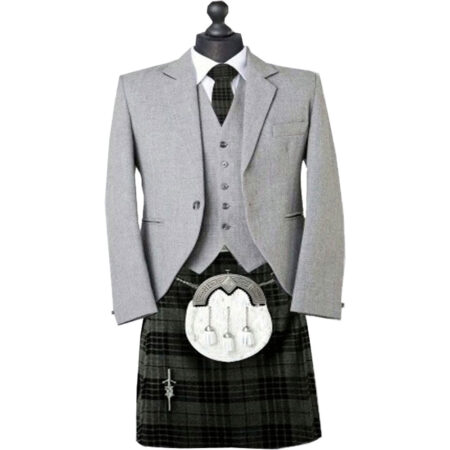 Made to order
Scottish Wedding Men Kilt Outfit
Available in Armstrong Ancient
Original price was: £700.00.£304.00Current price is: £304.00.Configure →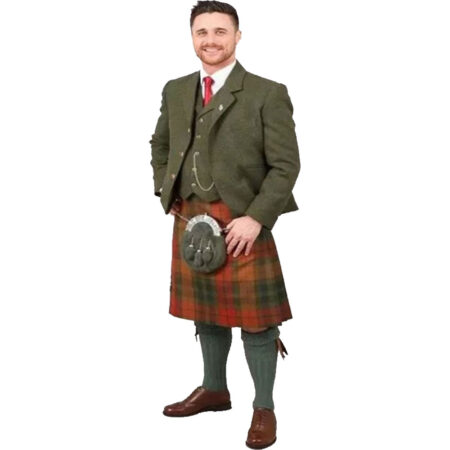 Made to order
Forest Green Tweed Jacket Kilt Outfit
Available in Armstrong Ancient
Original price was: £489.00.£249.99Current price is: £249.99.Configure →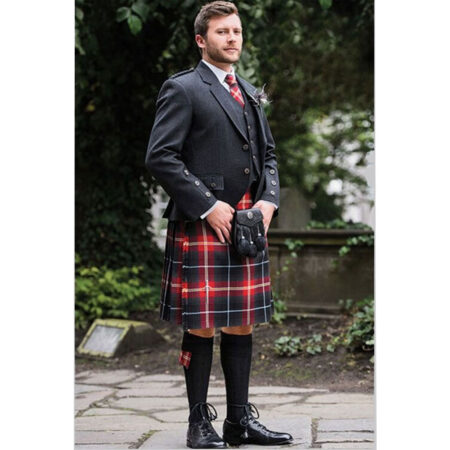 Made to order
Aberdeen Forever Tartan Argyll Kilt Outfit
Available in Armstrong Ancient
Original price was: £623.22.£300.00Current price is: £300.00.Configure →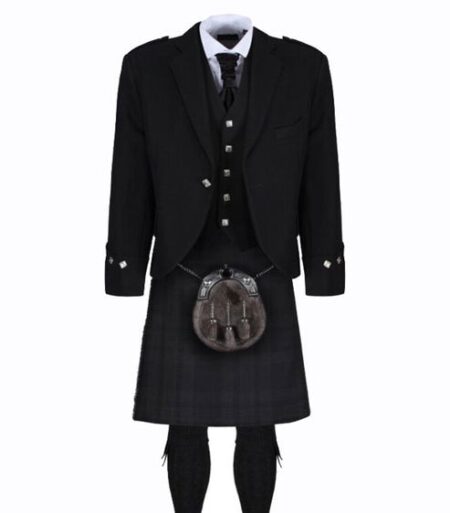 Made to order
Black Isle Argyll Jacket Kilt Outfit
Available in Armstrong Ancient
Original price was: £504.00.£315.00Current price is: £315.00.Configure →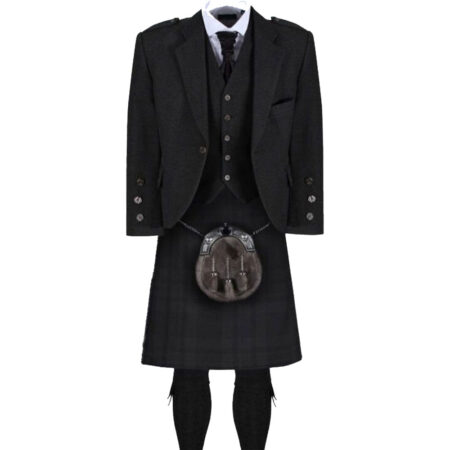 Made to order
Black Isle Dark Grey Tweed Jacket Kilt Outfit
Available in Armstrong Ancient
Original price was: £510.00.£315.00Current price is: £315.00.Configure →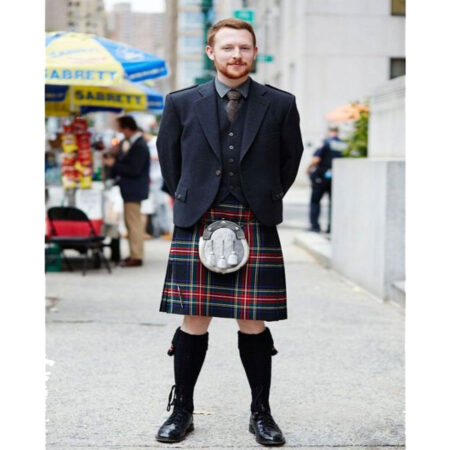 Made to order
Black Stewart Tartan Argyll Kilt Outfit
Available in Armstrong Ancient
Original price was: £467.22.£235.00Current price is: £235.00.Configure →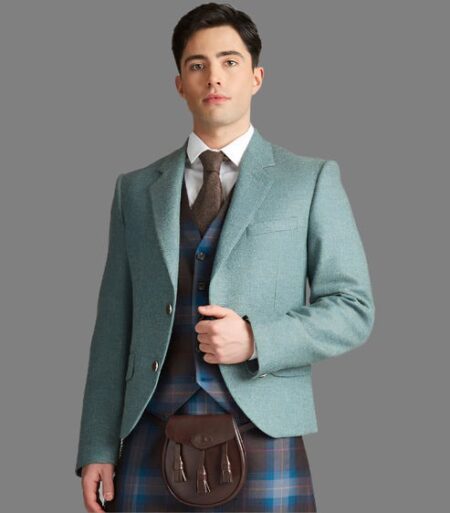 Made to order
Blue Lovat Tweed Jacket Kilt Outfit
Available in Armstrong Ancient
Original price was: £504.00.£350.00Current price is: £350.00.Configure →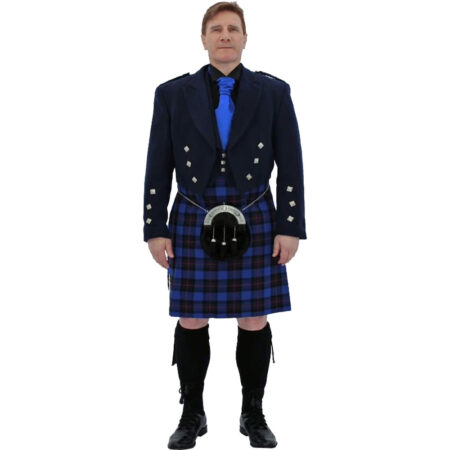 Made to order
Blue Prince Charlie Rangers Outfit
Available in Armstrong Ancient
Original price was: £500.00.£320.00Current price is: £320.00.Configure →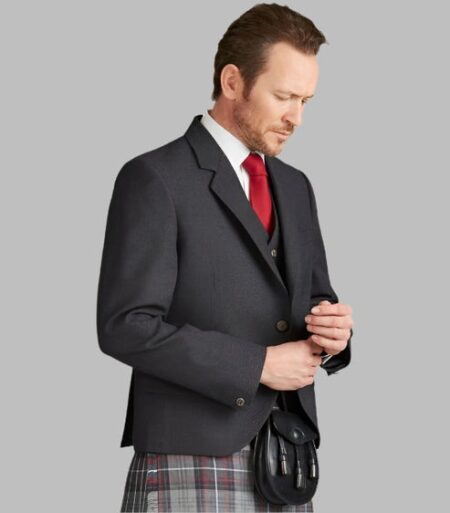 Made to order
Charcoal Grey Tweed Jacket Kilt Outfit
Available in Armstrong Ancient
Original price was: £504.00.£350.00Current price is: £350.00.Configure →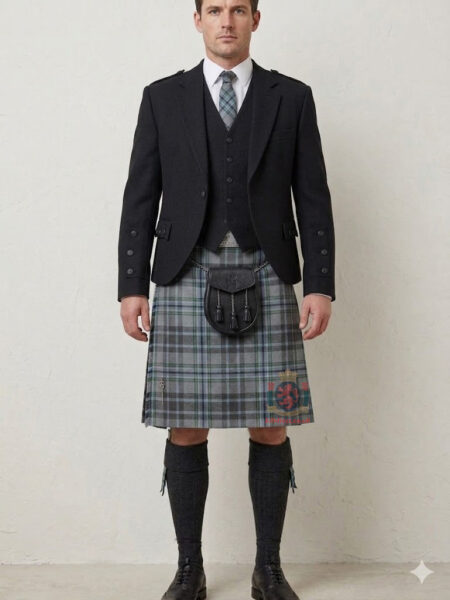 Made to order
Clan Giants Causeway JR679T Tartan Black Jacket Kilt Outfit
Available in Armstrong Ancient
Original price was: £545.00.£299.00Current price is: £299.00.Configure →
The sett
About the Armstrong Ancient tartan
A family that could put three thousand horsemen into the saddle in the sixteenth century had no named tartan until 1842, and by then it had had no chief for over two hundred years.
Two readings of the name
The family’s own account begins with Siward Beorn, sword warrior, also called Siward Digry, sword strong arm, said to have been the last Anglo-Danish earl of Northumberland and a nephew of Canute. That is tradition; nothing in the surviving record supports it. A different explanation has been advanced for the Irish Armstrongs, associated with the Ulster Gaelic Mac Trean-Labhraidh, a branch of the O Labhradha: trean-labhradh means strong-speaking rather than strong-armed, and the suggestion is that the English ear turned one into the other. The plain descriptive reading, a byname for a strong man, remains as likely as either; the record does not settle it.
An Adam Armstrong was pardoned in 1235 for causing a man’s death. Alexander Armstrong, second laird of Mangerton, was taken and killed by William de Soulis at Hermitage Castle; the Minholm Cross, put up around 1320 near Mangerton Tower, commemorates it. Gilbert Armstrong served David II as steward and as an ambassador, a Sir Adam Armstrong was in the company of the Earl of March and Dunbar in 1374, and a John Armstrong fought at Otterburn in 1388.
Liddesdale and the Debatable Lands
The family made its reputation in Liddesdale and in the Debatable Lands, the strip between the two kingdoms that neither would concede and neither could govern. A John Armstrong raised a strong tower there around 1425. By the early sixteenth century the Armstrongs held a substantial part of that ground and were reckoned able to muster some three thousand riders, which made them a political problem, not merely a criminal one. In 1528 they burned Netherby in answer to an attack by Lord Dacre.
The best-known episode is the death of Johnnie Armstrong of Gilnockie. The story is that James V, who saw the family as a threat to his authority in the south, drew him to a meeting at Hawick and hanged him there. It survives as tradition, kept alive more by the ballad than by any document. What is on the record is the sequel: when James needed the Border in arms at Solway Moss in 1542, the Armstrongs did not come. Gilnockie Tower, also called Hollows Tower, was built in 1518 north of Canonbie in Dumfriesshire and now houses a clan centre. Mangerton Tower, the chief’s seat, stood a mile south of what is now Newcastleton.
The chiefs end on a gallows
The Union of the Crowns in 1603 removed the frontier that had made the Debatable Lands profitable, and the crown set about pacifying what it renamed the Middle Shires. The Armstrongs did not survive as a clan. Archibald Armstrong of Mangerton, the last chief, was hanged in Edinburgh in 1610 in reprisal for a raid on Penrith, and after the dispersal of the family in the seventeenth century no trace of a chiefly line has been found. The name is therefore armigerous: arms exist, but there is no chief and no prospect of one being traced. For a family so large and so well recorded that is an unusual position, and it follows from state policy rather than neglect.
Check cloth before named setts
The historical Armstrongs did wear patterned cloth, but not this one. The Border country had its own textile tradition, the shepherds’ plaid or Border check: a small dark and light crossweave, the light squares originally the natural colour of undyed wool and the dark ones any of a range of greys, blues, greens or browns. It is among the oldest patterned cloths in the islands and became fashionable among Border Scots from the 1820s with Sir Walter Scott’s encouragement. That, not a clan sett, is the cloth the riders knew.
The Armstrong sett itself first appears in print, spelled Armstrang, among the Lowland and Border plates of the Vestiarium Scoticum in 1842. The book claimed to reproduce an early manuscript and did not; its compilers were exposed within five years, and one of the supporting manuscripts was shown in 1895 to have been chemically aged. Much of the Lowland repertoire nevertheless comes from it, Armstrong included. That does not make the pattern less usable, but it does date it: 1842, not 1542. The labels Ancient, Weathered and Muted describe dye strength and are twentieth-century conventions; the threading does not change between them.
Who wears it, and one who took it furthest
With no chief, no permission is needed and none can be given. Anyone of the name or of Armstrong descent may wear it, and there is no branch sett to choose between. The name is carried by a large population on both sides of the old frontier and in Ulster, North America and Australasia. One of them carried a piece of the tartan to the surface of the Moon.
Sources: Clan Armstrong, Wikipedia; Border tartan, Wikipedia; Vestiarium Scoticum and Sobieski Stuarts, Wikipedia; Scottish Tartans Authority, The History of Tartan.
Near neighbours
Other Armstrong setts
The same pattern in different depths of colour. Any of them can be made up in any style above.
Not the sett you were after?
All 2,107 tartans are available to order, and any of them can be cut into any style on this page.