
Boyd Modern Tartan
A clan and family tartan, available to order. Everything we make in Boyd Modern: kilts, kilted skirts, accessories and full Highland outfits, every piece cut to your own measurements.
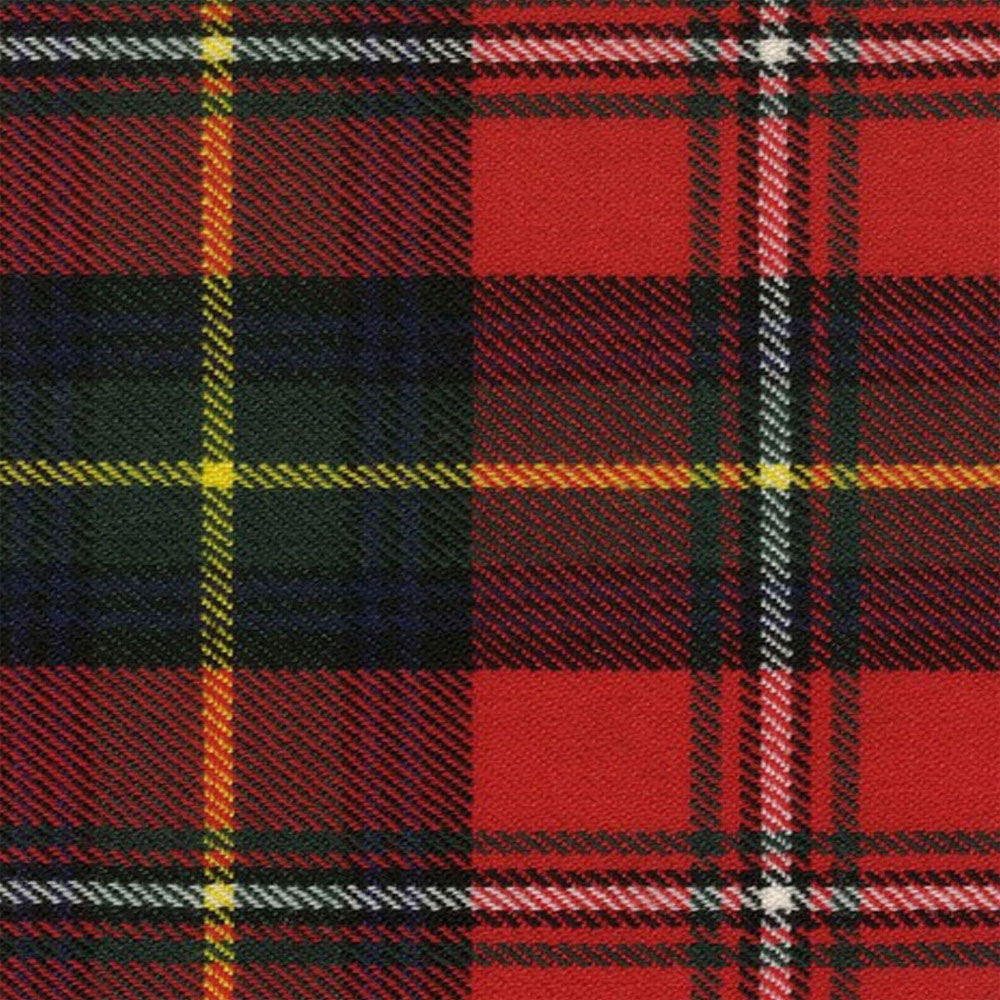
- Modern
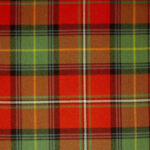 Ancient
Boyd Modern Tartan · Modern
The Boyd Modern tartan, made to order by Kilt 4 Less. Choose it for a kilt, a kilted skirt, an accessory or a full Highland outfit — everything below is cut to your own measurements.
- Tartan typeClan and family tartan
- Colours in it
- Red
- Brown
- Black
- Settings availableAncient and Modern
- How it is madeMade to order and cut to your own measurements
Choose your product
Products in Boyd Modern
Everything below can be made in the Boyd Modern tartan. Choose a product, then pick your size and options on the next page — the tartan is already selected for you.
Listed in this tartanone item
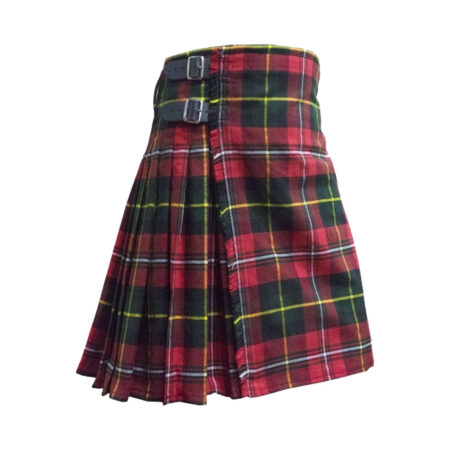 Listed in this tartan
Clan Boyd Modern Tartan Kilt
Available in Boyd Modern
Original price was: £189.00.£95.00Current price is: £95.00.View →
Kiltsthree styles
 Made to order
Great Kilt, 6 Yards
Available in Boyd Modern
Original price was: £205.00.£60.00Current price is: £60.00.Configure → Made to order
Tartan Utility Kilt
Available in Boyd Modern
Original price was: £110.00.£60.00Current price is: £60.00.Configure →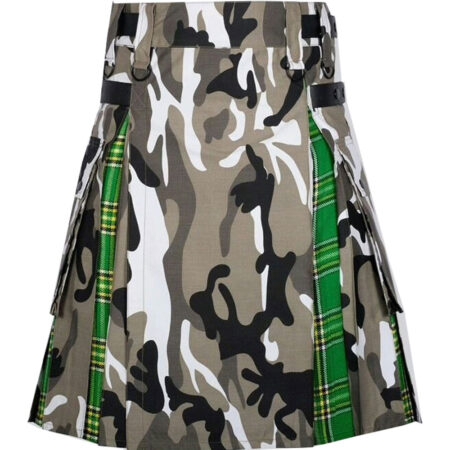 Made to order
Utility Cargo Hybrid Kilt
Available in Boyd Modern
Original price was: £110.00.£65.00Current price is: £65.00.Configure →
For womenfour styles
 Made to order
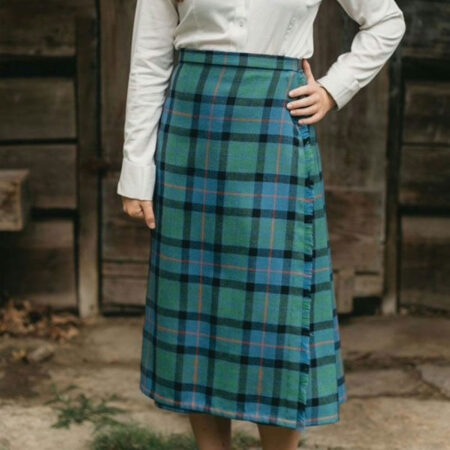
Tartan Kilt for Women
Available in Boyd Modern
Original price was: £120.00.£77.00Current price is: £77.00.Configure →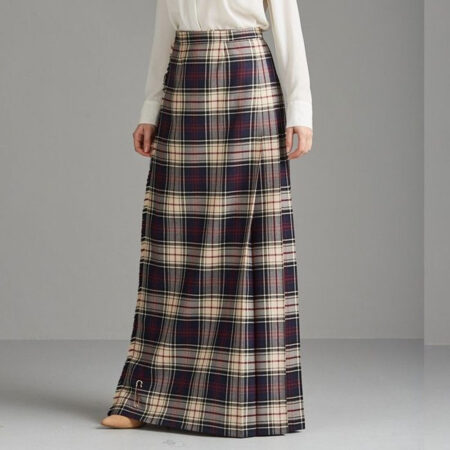 Made to order
The Classic Kilted Skirt, Maxi
Available in Boyd Modern
Original price was: £350.00.£89.00Current price is: £89.00.Configure → Made to order
Long Kilted Skirt, Maxi
Available in Boyd Modern
Original price was: £199.00.£145.00Current price is: £145.00.Configure →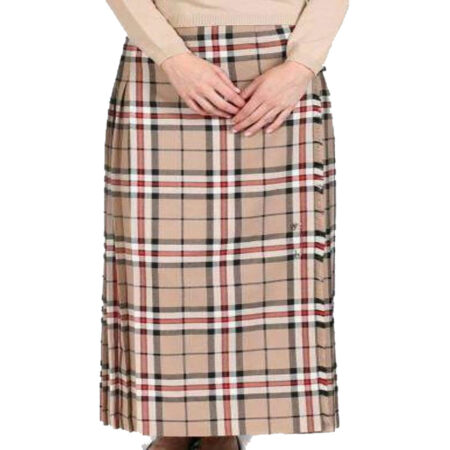 Made to order
Full Length Hostess Kilt
Available in Boyd Modern
Original price was: £135.00.£95.00Current price is: £95.00.Configure →
For childrenone style

Accessoriesfour styles
 Made to order
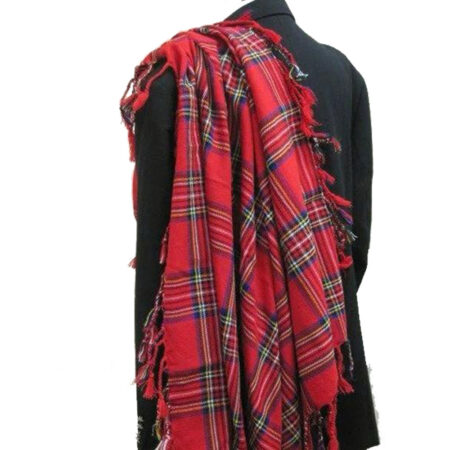
Tartan Fly Plaid
Available in Boyd Modern
Original price was: £80.00.£45.00Current price is: £45.00.Configure →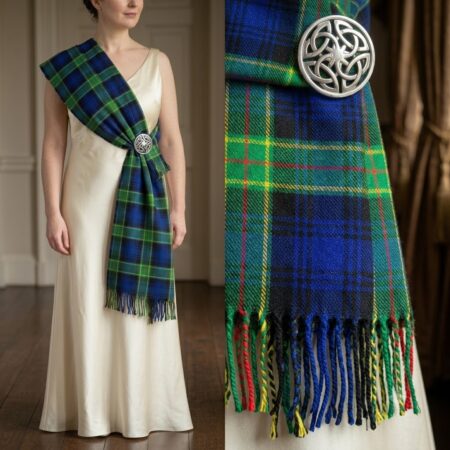 Made to order
Tartan Sash
Available in Boyd Modern
Original price was: £99.00.£49.00Current price is: £49.00.Configure →
Full Highland outfits39 styles
 Made to order
Men’s 8 Yard Prince Charlie Kilt Outfit
Available in Boyd Modern
Original price was: £499.00.£315.00Current price is: £315.00.Configure → Made to order
McCalls Highland Kilt Outfit With Argyll Jacket
Available in Boyd Modern
Original price was: £510.00.£325.00Current price is: £325.00.Configure →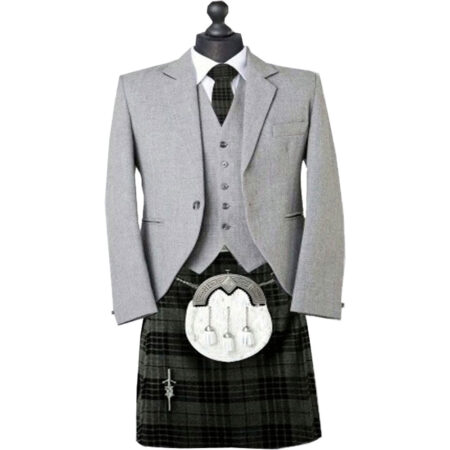 Made to order
Scottish Wedding Men Kilt Outfit
Available in Boyd Modern
Original price was: £700.00.£304.00Current price is: £304.00.Configure →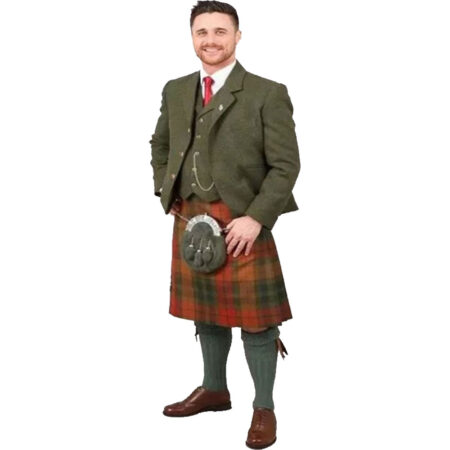 Made to order
Forest Green Tweed Jacket Kilt Outfit
Available in Boyd Modern
Original price was: £489.00.£249.99Current price is: £249.99.Configure →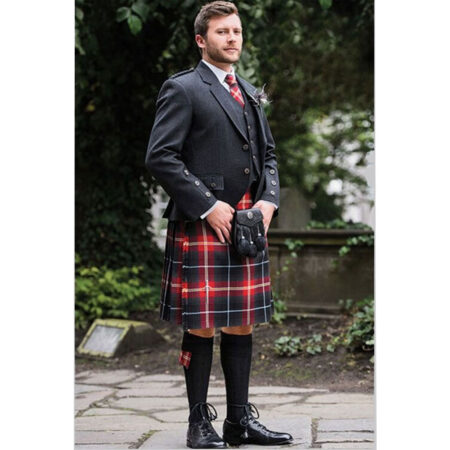 Made to order
Aberdeen Forever Tartan Argyll Kilt Outfit
Available in Boyd Modern
Original price was: £623.22.£300.00Current price is: £300.00.Configure →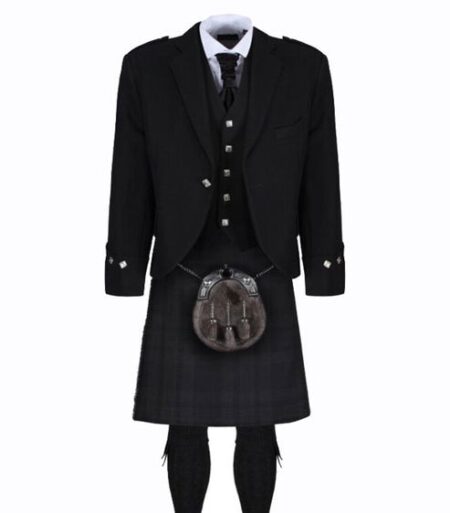 Made to order
Black Isle Argyll Jacket Kilt Outfit
Available in Boyd Modern
Original price was: £504.00.£315.00Current price is: £315.00.Configure →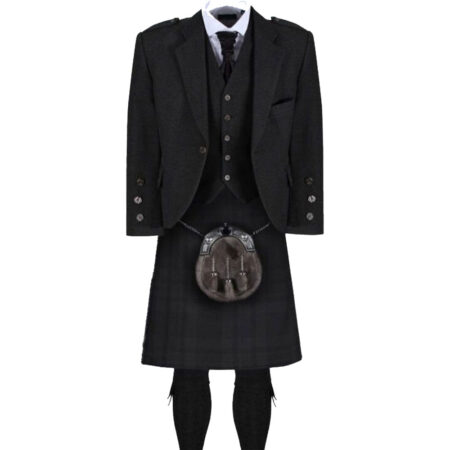 Made to order
Black Isle Dark Grey Tweed Jacket Kilt Outfit
Available in Boyd Modern
Original price was: £510.00.£315.00Current price is: £315.00.Configure →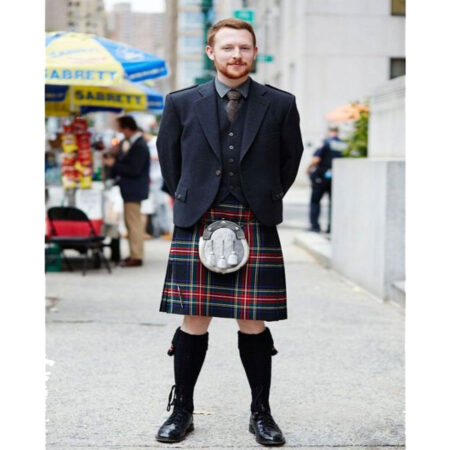 Made to order
Black Stewart Tartan Argyll Kilt Outfit
Available in Boyd Modern
Original price was: £467.22.£235.00Current price is: £235.00.Configure →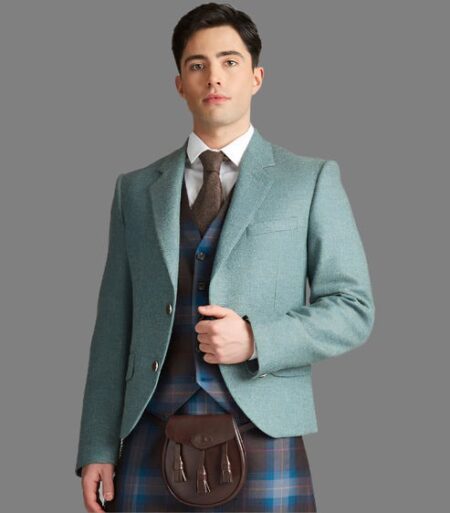 Made to order
Blue Lovat Tweed Jacket Kilt Outfit
Available in Boyd Modern
Original price was: £504.00.£350.00Current price is: £350.00.Configure →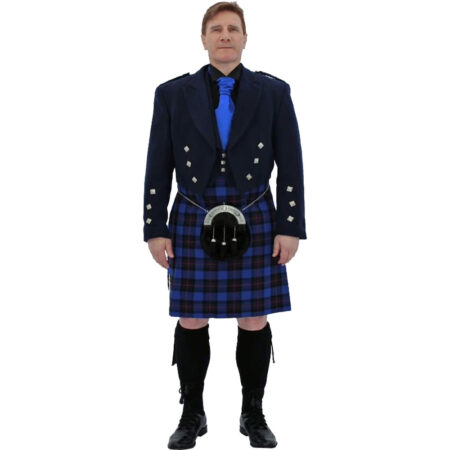 Made to order
Blue Prince Charlie Rangers Outfit
Available in Boyd Modern
Original price was: £500.00.£320.00Current price is: £320.00.Configure →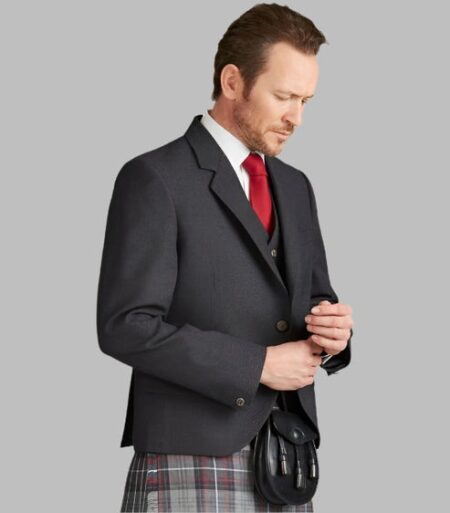 Made to order
Charcoal Grey Tweed Jacket Kilt Outfit
Available in Boyd Modern
Original price was: £504.00.£350.00Current price is: £350.00.Configure →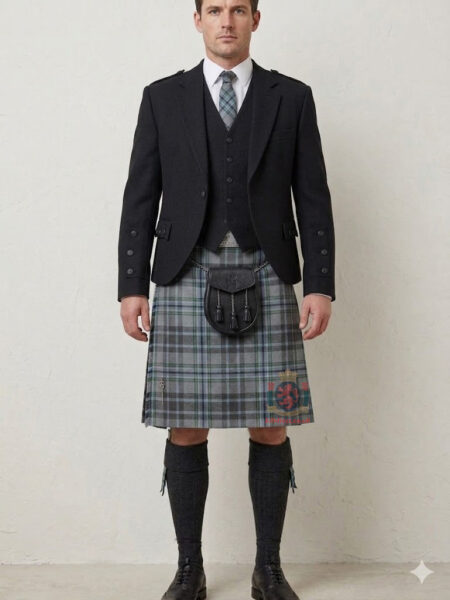 Made to order
Clan Giants Causeway JR679T Tartan Black Jacket Kilt Outfit
Available in Boyd Modern
Original price was: £545.00.£299.00Current price is: £299.00.Configure →
The sett
About the Boyd Modern tartan
Few Ayrshire families are so well dated in the record and so poorly dated in the weaving books: the Boyds can be traced in charters from 1205, but nobody can say when a pattern was first sold under their name.
Four explanations, none of them settled
The name has attracted more etymologies than it can support. One reading takes it from Gaelic buidhe, fair or yellow-haired. Another points at Bute, which is Bòd in Gaelic, and makes the Boyds men of the island. The nineteenth-century writer William Anderson rejected both and argued for Norman or Saxon roots instead. George F. Black took a different line again, holding that the first Boyds were tenants of the Norman de Morville family for lands around Largs and Irvine. The documents do not choose between these, though Black’s version has the advantage of putting the family exactly where the earliest records find them, in the north Ayrshire coastal parishes.
1205 and 1296
The first Boyd on paper is Robert de Boyd, who in 1205 witnessed a contract between the lord of Eglinton and the burgh of Irvine. Ninety years later a Robert de Boyte appears in the Ragman Rolls, the record of homage rendered to Edward I of England. Those rolls survive in two groups, from 1291 to 1292 and from 1296, and were printed by the Bannatyne Club in 1834; they remain one of the few systematic lists of Scottish landholders from the period, which is why so many families date themselves from them.
Between those two entries sits the battle the family remembers best. The Norwegian force under Hákon was engaged near Largs on 2 October 1263, and a Boyd detachment is credited with holding the high ground above the beach. The motto Confido is said to record what Alexander III said as that detachment went forward. That part is tradition rather than record. The battle itself is documented, chiefly in Sturla Thordarson’s saga of Hákon and in the Chronicle of Melrose, but the Scottish archives for it are largely lost and later writers embroidered what remained. A Sir Robert Boyd fought at Bannockburn in 1314 and was rewarded with Kilmarnock and other Ayrshire lands, and Kilmarnock is where the family stayed.
Regents, forfeitures and a scaffold
Boyd fortunes rose and fell faster than most. Robert Boyd governed the person of the young James III, and his son Thomas married the king’s sister Mary and was made Earl of Arran, holding Brodick Castle from 1467 to 1469. The reversal came quickly: the family lost everything, Robert fled to England, and Thomas died in exile. James Boyd, second Lord Boyd, was killed in 1484 in the long quarrel with Hugh Montgomerie. The estates were recovered in the sixteenth century, and a Restoration earldom followed in 1660 for William Boyd. It ended on Tower Hill, where William Boyd, fourth Earl of Kilmarnock, was beheaded on 18 August 1746 for his part in the rising of 1745.
A name without a chief
Alastair Boyd, seventh Baron Kilmarnock, died on 19 March 2009. The barony and the chiefship were both due to pass to his brother, Dr Robin Boyd, who has not taken up either. Boyd is therefore an armigerous name: one that had a recognised chief within the documented past and has none at present. In practical terms that removes the permission question entirely. There is no chief to ask and no chiefly arms in current use, so anyone of the surname, or descended from a Boyd line, wears the sett on their own account.
What the weaving record does not say
The family history is far better evidenced than the pattern. Named family setts overwhelmingly belong to the commercial period after about 1765, when the Bannockburn firm of Wilson began standardising designs and attaching names to them, and the fashion hardened after 1822. The sources consulted here record nothing about when the Boyd sett was first woven, drawn or named, and rather than guess at it the honest answer is that the paper trail for the pattern is thin where the paper trail for the family is not. Where a Boyd kilt is offered as Ancient, Weathered or Muted, those words describe the dye strengths used on the same threading rather than separate designs.
Sources: Clan Boyd, Wikipedia, citing George F. Black, The Surnames of Scotland, and William Anderson; Battle of Largs, Wikipedia; Ragman Rolls, Wikipedia; Armigerous clan, Wikipedia; Peter Eslea MacDonald, tartan history papers, scottishtartans.co.uk.
Near neighbours
Other Boyd setts
The same pattern in different depths of colour. Any of them can be made up in any style above.
Not the sett you were after?
All 2,107 tartans are available to order, and any of them can be cut into any style on this page.