
Dunlop Tartan
A clan and family tartan, available to order. Everything we make in Dunlop: kilts, kilted skirts, accessories and full Highland outfits, every piece cut to your own measurements.
 Ancient
 Modern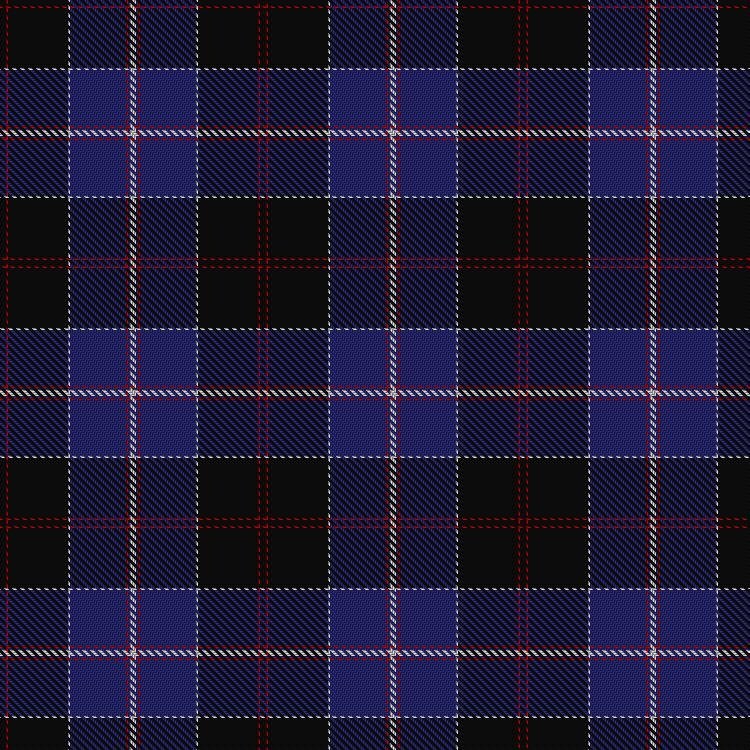
Dunlop Tartan · Standard
The Dunlop tartan, made to order by Kilt 4 Less. Choose it for a kilt, a kilted skirt, an accessory or a full Highland outfit — everything below is cut to your own measurements.
- Tartan typeClan and family tartan
- Colours in it
- Blue
- Black
- Settings availableAncient and Modern
- How it is madeMade to order and cut to your own measurements
Choose your product
Products in Dunlop
Everything below can be made in the Dunlop tartan. Choose a product, then pick your size and options on the next page — the tartan is already selected for you.
Listed in this tartantwo items
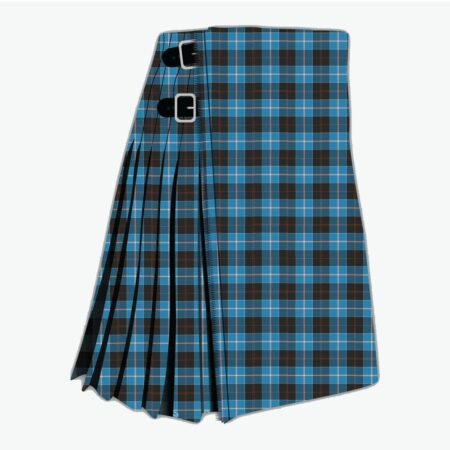 Listed in this tartan
Dunlop Ancient Tartan Kilt
Available in Dunlop
Original price was: £241.80.£159.00Current price is: £159.00.View →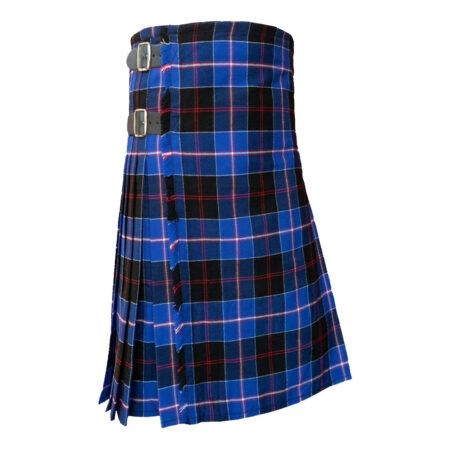 Listed in this tartan
Dunlop Modern Tartan Kilt
Available in Dunlop
Original price was: £210.00.£122.00Current price is: £122.00.View →
Kiltsthree styles
 Made to order
Great Kilt, 6 Yards
Available in Dunlop
Original price was: £205.00.£60.00Current price is: £60.00.Configure → Made to order
Tartan Utility Kilt
Available in Dunlop
Original price was: £110.00.£60.00Current price is: £60.00.Configure →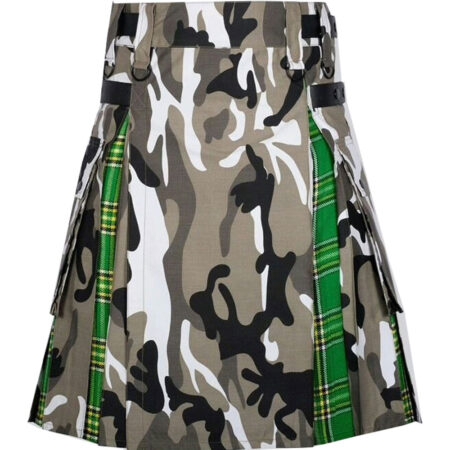 Made to order
Utility Cargo Hybrid Kilt
Available in Dunlop
Original price was: £110.00.£65.00Current price is: £65.00.Configure →
For womenfour styles
 Made to order
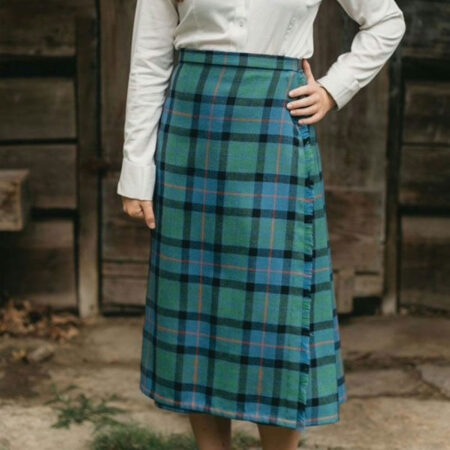
Tartan Kilt for Women
Available in Dunlop
Original price was: £120.00.£77.00Current price is: £77.00.Configure →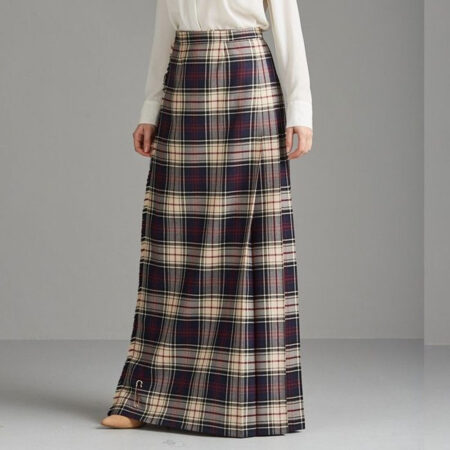 Made to order
The Classic Kilted Skirt, Maxi
Available in Dunlop
Original price was: £350.00.£89.00Current price is: £89.00.Configure → Made to order
Long Kilted Skirt, Maxi
Available in Dunlop
Original price was: £199.00.£145.00Current price is: £145.00.Configure →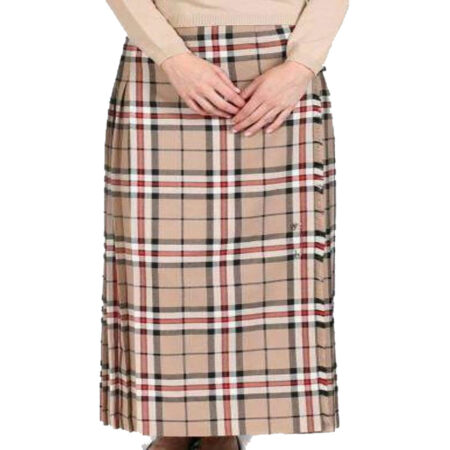 Made to order
Full Length Hostess Kilt
Available in Dunlop
Original price was: £135.00.£95.00Current price is: £95.00.Configure →
For childrenone style

Accessoriesfour styles
 Made to order
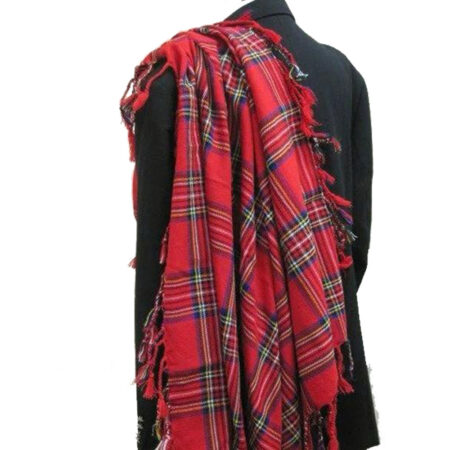
Tartan Fly Plaid
Available in Dunlop
Original price was: £80.00.£45.00Current price is: £45.00.Configure →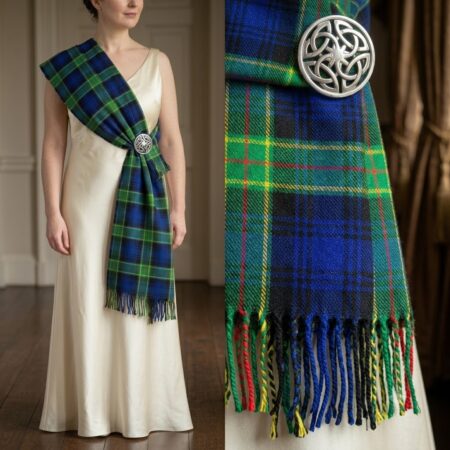 Made to order
Tartan Sash
Available in Dunlop
Original price was: £99.00.£49.00Current price is: £49.00.Configure →
Full Highland outfits39 styles
 Made to order
Men’s 8 Yard Prince Charlie Kilt Outfit
Available in Dunlop
Original price was: £499.00.£315.00Current price is: £315.00.Configure → Made to order
McCalls Highland Kilt Outfit With Argyll Jacket
Available in Dunlop
Original price was: £510.00.£325.00Current price is: £325.00.Configure →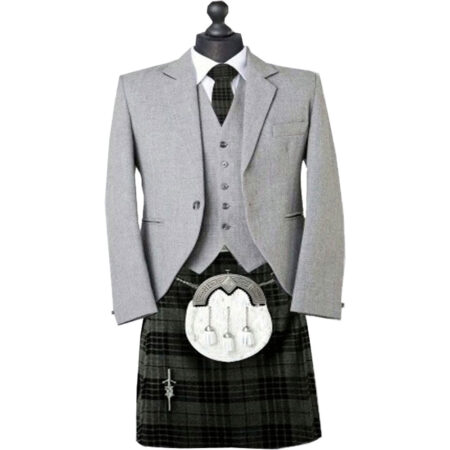 Made to order
Scottish Wedding Men Kilt Outfit
Available in Dunlop
Original price was: £700.00.£304.00Current price is: £304.00.Configure →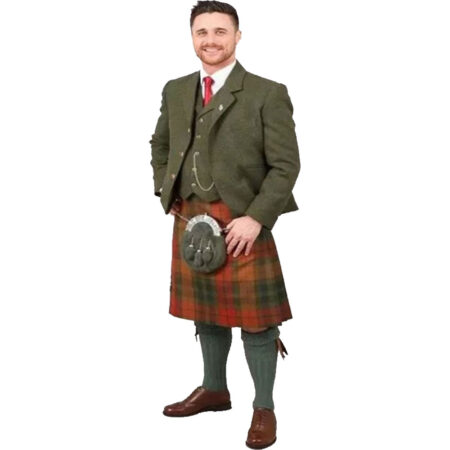 Made to order
Forest Green Tweed Jacket Kilt Outfit
Available in Dunlop
Original price was: £489.00.£249.99Current price is: £249.99.Configure →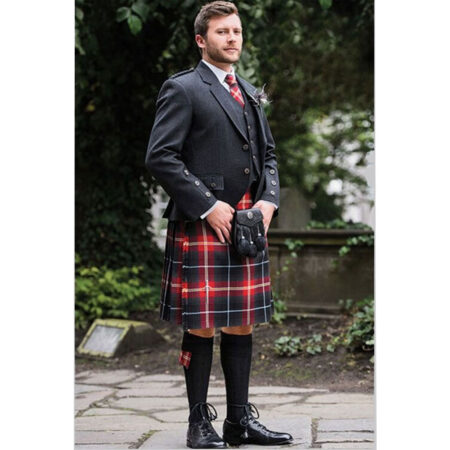 Made to order
Aberdeen Forever Tartan Argyll Kilt Outfit
Available in Dunlop
Original price was: £623.22.£300.00Current price is: £300.00.Configure →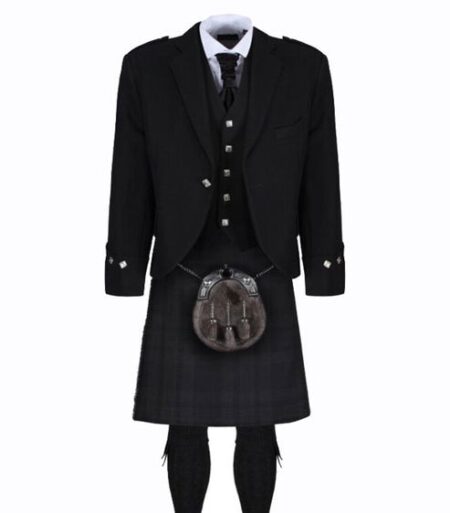 Made to order
Black Isle Argyll Jacket Kilt Outfit
Available in Dunlop
Original price was: £504.00.£315.00Current price is: £315.00.Configure →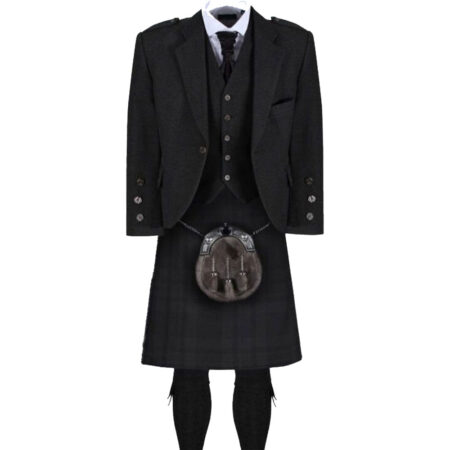 Made to order
Black Isle Dark Grey Tweed Jacket Kilt Outfit
Available in Dunlop
Original price was: £510.00.£315.00Current price is: £315.00.Configure →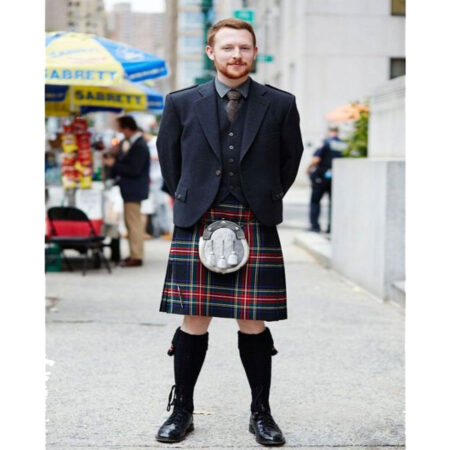 Made to order
Black Stewart Tartan Argyll Kilt Outfit
Available in Dunlop
Original price was: £467.22.£235.00Current price is: £235.00.Configure →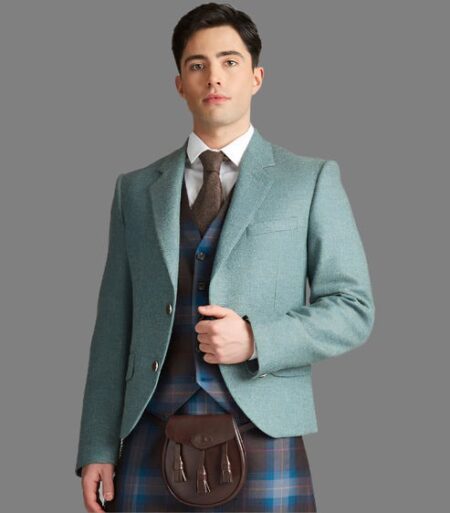 Made to order
Blue Lovat Tweed Jacket Kilt Outfit
Available in Dunlop
Original price was: £504.00.£350.00Current price is: £350.00.Configure →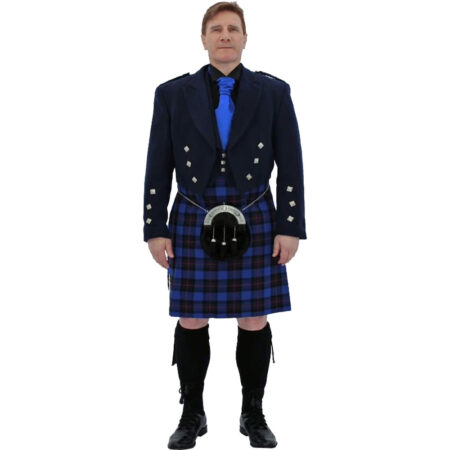 Made to order
Blue Prince Charlie Rangers Outfit
Available in Dunlop
Original price was: £500.00.£320.00Current price is: £320.00.Configure →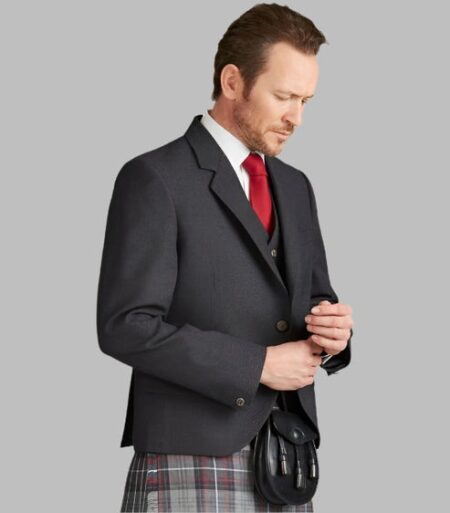 Made to order
Charcoal Grey Tweed Jacket Kilt Outfit
Available in Dunlop
Original price was: £504.00.£350.00Current price is: £350.00.Configure →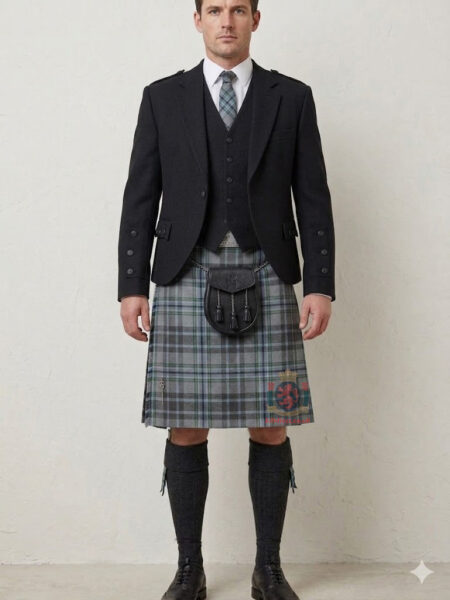 Made to order
Clan Giants Causeway JR679T Tartan Black Jacket Kilt Outfit
Available in Dunlop
Original price was: £545.00.£299.00Current price is: £299.00.Configure →
The sett
About the Dunlop tartan
Unusually for a Scottish name, this one can point to the year its tartan was made and to the tartan it was made out of.
A fort at the bend
Dunlop is a village and parish in the Cunninghame district of what is now East Ayrshire, on the road north-east of Stewarton and some seven miles from Kilmarnock. The place-name is read as Gaelic, the first element dun, a fort or strong place, with a second element usually given as a bend or a hill, so that the whole describes a fortified spot at a turn of the ground. The spelling has wandered a great deal — Dulop, Delap and Donlap are all on record — which is worth knowing if you are chasing the name through old documents.
What the record shows
The name is first recorded in 1260, when a William de Dunlop appears. By the fifteenth century the family had the lands again and were styling themselves Dunlop of that Ilk, the formula used when a surname and an estate are the same word. Sir James Dunlop held the estate in 1596, and the lands were erected into a barony in 1688. John Dunlop, who lived from 1748 to 1784, is remembered less for himself than for his widow Frances, who became one of the correspondents and patrons of Robert Burns. Dunlop House was designed between 1831 and 1834 by the Glasgow architect David Hamilton. A castle known as Hunthall, put up in the thirteenth century, served as the earlier seat.
The parish is also the origin of Dunlop cheese, a sweet-milk cheese whose introduction is credited to Barbara Gilmour, who had gone to Ireland to escape religious persecution and brought the method back with her. Two annual fairs for dairy stock were being held in the parish by the seventeenth century, and cheese-making survived locally into living memory. Much later the name travelled a long way from Ayrshire through John Boyd Dunlop and the pneumatic tyre.
The chiefship question
This is where the record needs care. The representer of the name is styled Dunlop of that Ilk, and the present holder is reckoned the thirtieth. At the same time the family is generally listed among the armigerous clans, meaning that its arms are acknowledged by the Court of the Lord Lyon but that no chief of the name has been formally recognised by that court. The two statements sit awkwardly together and the honest position is that the family has a recognised representer and a contested or unconfirmed chiefship, not a settled one. Anyone told flatly that the clan has a chief, or flatly that it has none, is being given half the picture.
A design with a date
Most Scottish family tartans have to be traced back through nineteenth-century collections whose authority is uncertain. This one does not. The Dunlop sett was created in 1982, and the hunting and dress versions were settled two years after that. The design was not made from nothing: it was worked up from the red and black tartan of Clan Cunningham, the neighbouring and allied Ayrshire name, with the colouring altered to blue and black. That relationship is the interesting part. The Cunninghams received the manor of Cunninghame between about 1135 and 1140 in the person of Warnebald, and the two families shared the same corner of Ayrshire for eight centuries, so a Dunlop pattern derived from a Cunningham one is a piece of local history rather than an arbitrary choice of colours.
Because the sett is modern, the Ancient and Weathered versions of it are not older forms recovered from anywhere. They are the same 1982 arrangement of stripes put through lighter or faded dye conventions, which is how those names are used throughout the trade.
Who ends up wearing it
Anyone of the name and its variant spellings. Given that the tartan was made in the twentieth century for the family and that no restriction attaches to it, the question of permission scarcely arises; the more useful question is which of the three versions suits the occasion, since the dress and hunting setts were worked out deliberately two years after the main one rather than invented later by weavers.
Sources: Clan Dunlop, Wikipedia; Dunlop, East Ayrshire, Wikipedia; Clan Cunningham, Wikipedia; Scottish Tartans Authority, The History of Tartan.
Near neighbours
Other Dunlop setts
The same pattern in different depths of colour. Any of them can be made up in any style above.
Not the sett you were after?
All 2,107 tartans are available to order, and any of them can be cut into any style on this page.