
Home › Tartans › Gordon Red Weathered
Gordon Red Weathered Tartan
A clan and family tartan, available to order. Everything we make in Gordon Red Weathered: kilts, kilted skirts, accessories and full Highland outfits, every piece cut to your own measurements.
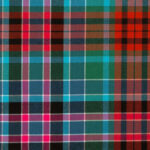 Ancient
 Modern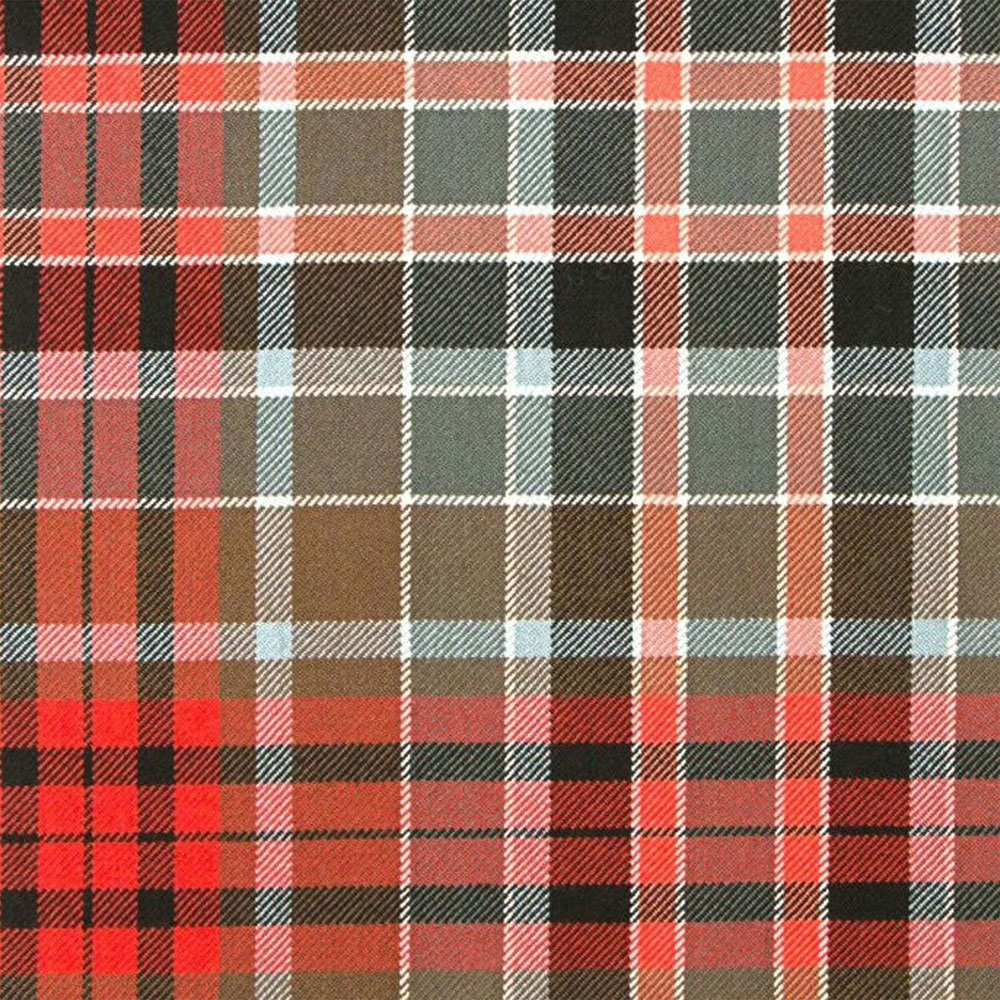
Gordon Red Weathered Tartan · Weathered
The Gordon Red Weathered tartan, made to order by Kilt 4 Less. Choose it for a kilt, a kilted skirt, an accessory or a full Highland outfit — everything below is cut to your own measurements.
- Tartan typeClan and family tartan
- Colours in it
- White
- Grey
- Brown
- Settings availableAncient, Modern and Weathered
- How it is madeMade to order and cut to your own measurements
Choose your product
Products in Gordon Red Weathered
Everything below can be made in the Gordon Red Weathered tartan. Choose a product, then pick your size and options on the next page — the tartan is already selected for you.
Listed in this tartanone item
 Listed in this tartan
Clan Gordon Red Weathered Tartan Kilt
Available in Gordon Red Weathered
Original price was: £241.80.£159.00Current price is: £159.00.View →
Kiltsthree styles
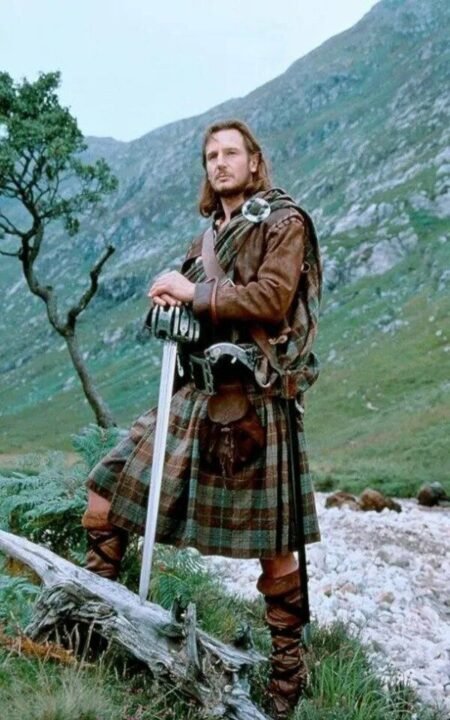 Made to order
Great Kilt, 6 Yards
Available in Gordon Red Weathered
Original price was: £205.00.£60.00Current price is: £60.00.Configure → Made to order
Tartan Utility Kilt
Available in Gordon Red Weathered
Original price was: £110.00.£60.00Current price is: £60.00.Configure →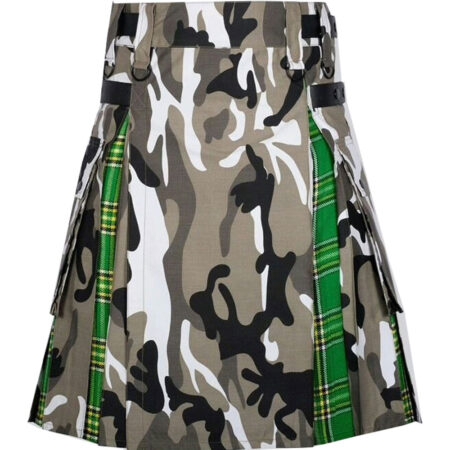 Made to order
Utility Cargo Hybrid Kilt
Available in Gordon Red Weathered
Original price was: £110.00.£65.00Current price is: £65.00.Configure →
For womenfour styles
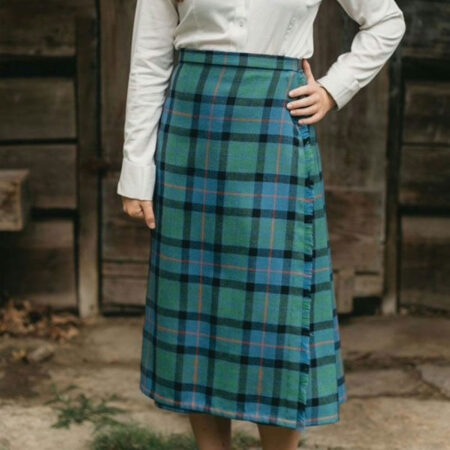 Made to order
Tartan Kilt for Women
Available in Gordon Red Weathered
Original price was: £120.00.£77.00Current price is: £77.00.Configure →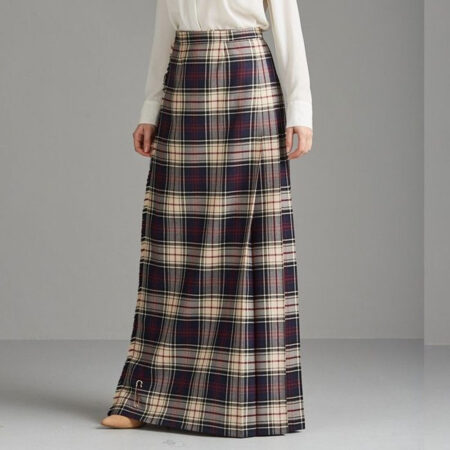 Made to order
The Classic Kilted Skirt, Maxi
Available in Gordon Red Weathered
Original price was: £350.00.£89.00Current price is: £89.00.Configure → Made to order
Long Kilted Skirt, Maxi
Available in Gordon Red Weathered
Original price was: £199.00.£145.00Current price is: £145.00.Configure →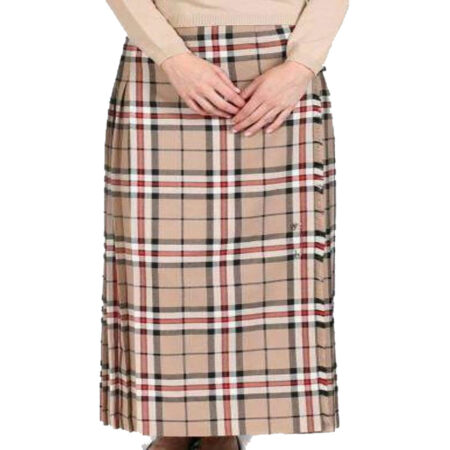 Made to order
Full Length Hostess Kilt
Available in Gordon Red Weathered
Original price was: £135.00.£95.00Current price is: £95.00.Configure →
For childrenone style

Accessoriesfour styles
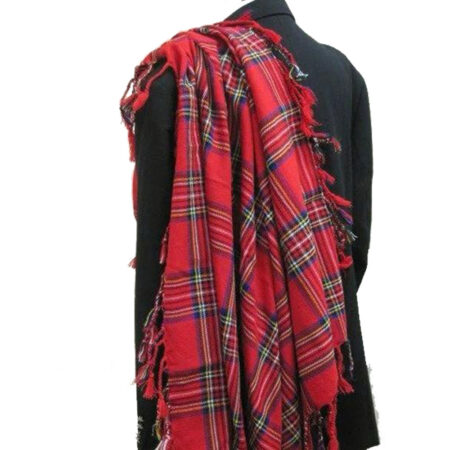 Made to order
Tartan Fly Plaid
Available in Gordon Red Weathered
Original price was: £80.00.£45.00Current price is: £45.00.Configure →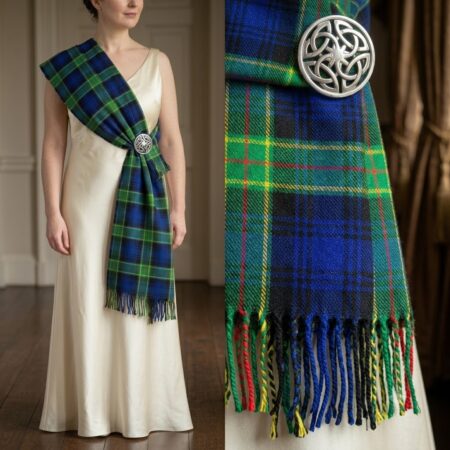 Made to order
Tartan Sash
Available in Gordon Red Weathered
Original price was: £99.00.£49.00Current price is: £49.00.Configure →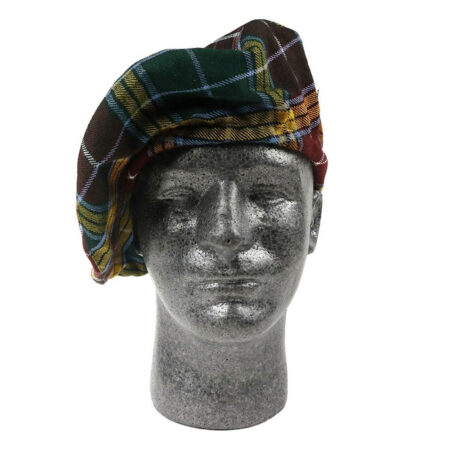
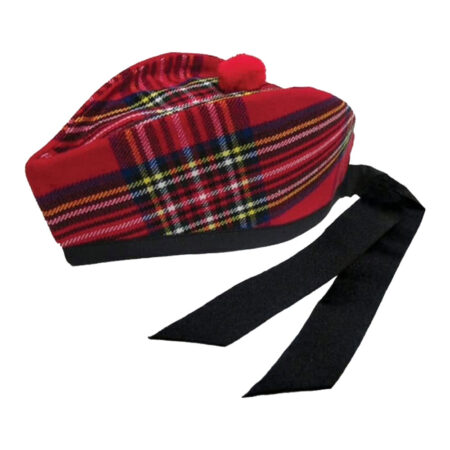
Full Highland outfits39 styles
 Made to order
Men’s 8 Yard Prince Charlie Kilt Outfit
Available in Gordon Red Weathered
Original price was: £499.00.£315.00Current price is: £315.00.Configure → Made to order
McCalls Highland Kilt Outfit With Argyll Jacket
Available in Gordon Red Weathered
Original price was: £510.00.£325.00Current price is: £325.00.Configure →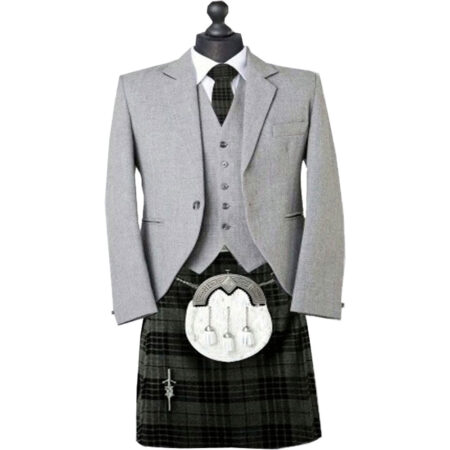 Made to order
Scottish Wedding Men Kilt Outfit
Available in Gordon Red Weathered
Original price was: £700.00.£304.00Current price is: £304.00.Configure →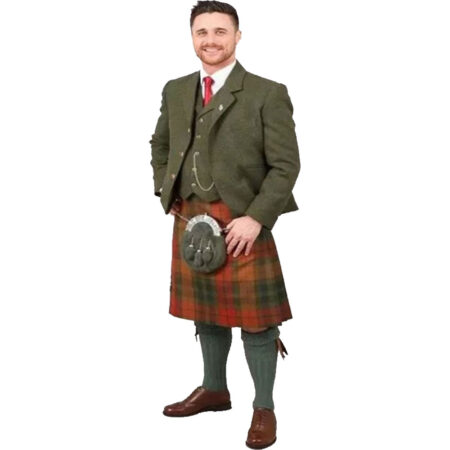 Made to order
Forest Green Tweed Jacket Kilt Outfit
Available in Gordon Red Weathered
Original price was: £489.00.£249.99Current price is: £249.99.Configure →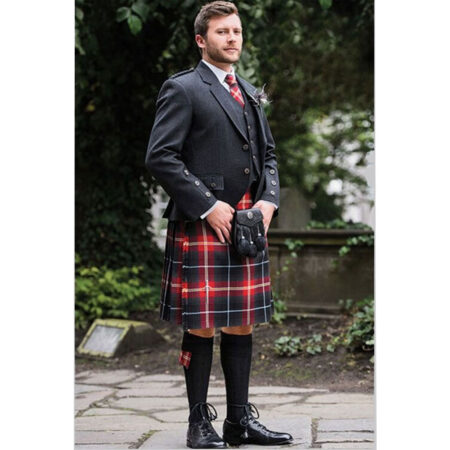 Made to order
Aberdeen Forever Tartan Argyll Kilt Outfit
Available in Gordon Red Weathered
Original price was: £623.22.£300.00Current price is: £300.00.Configure →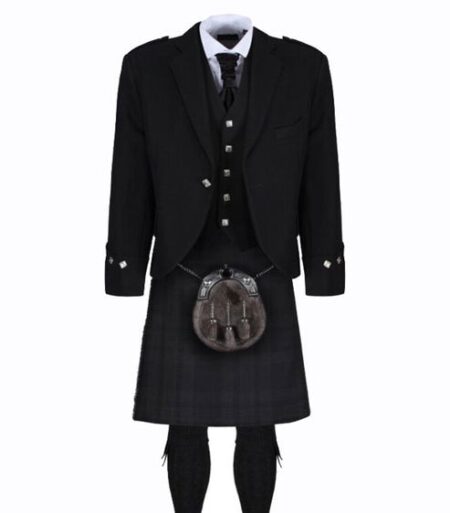 Made to order
Black Isle Argyll Jacket Kilt Outfit
Available in Gordon Red Weathered
Original price was: £504.00.£315.00Current price is: £315.00.Configure →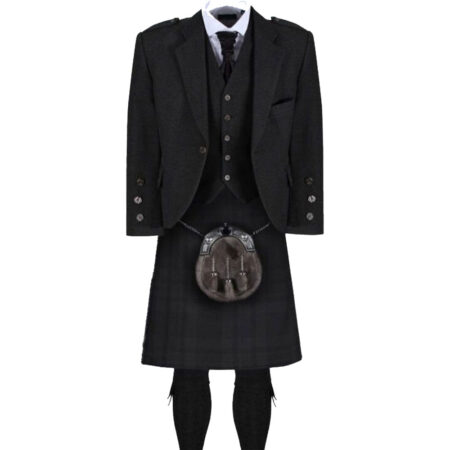 Made to order
Black Isle Dark Grey Tweed Jacket Kilt Outfit
Available in Gordon Red Weathered
Original price was: £510.00.£315.00Current price is: £315.00.Configure →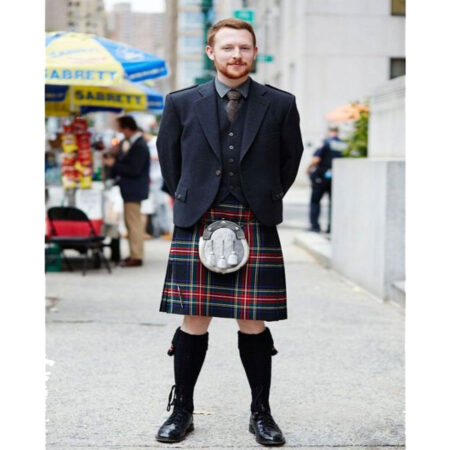 Made to order
Black Stewart Tartan Argyll Kilt Outfit
Available in Gordon Red Weathered
Original price was: £467.22.£235.00Current price is: £235.00.Configure →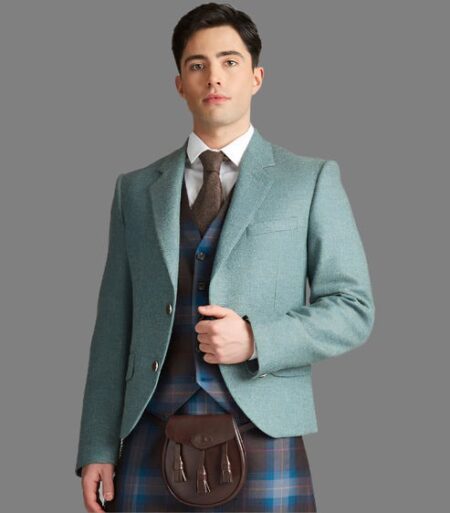 Made to order
Blue Lovat Tweed Jacket Kilt Outfit
Available in Gordon Red Weathered
Original price was: £504.00.£350.00Current price is: £350.00.Configure →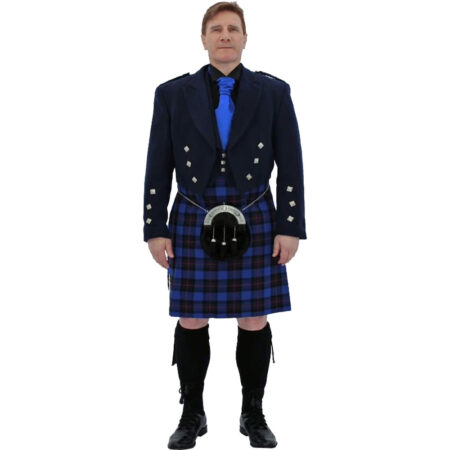 Made to order
Blue Prince Charlie Rangers Outfit
Available in Gordon Red Weathered
Original price was: £500.00.£320.00Current price is: £320.00.Configure →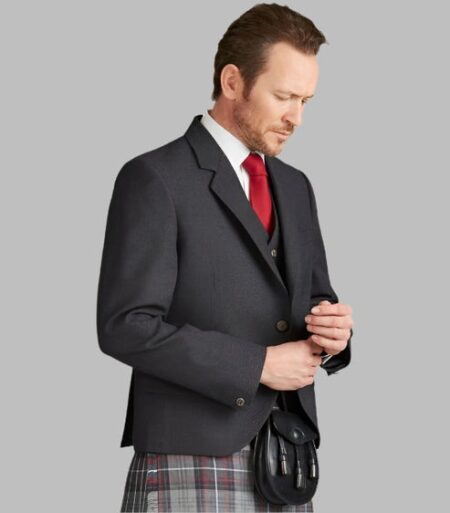 Made to order
Charcoal Grey Tweed Jacket Kilt Outfit
Available in Gordon Red Weathered
Original price was: £504.00.£350.00Current price is: £350.00.Configure →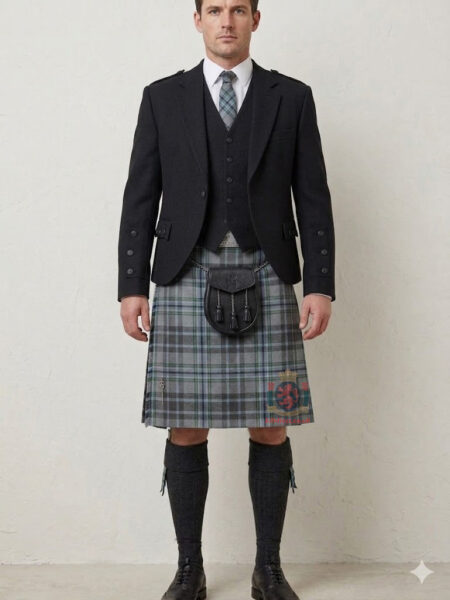 Made to order
Clan Giants Causeway JR679T Tartan Black Jacket Kilt Outfit
Available in Gordon Red Weathered
Original price was: £545.00.£299.00Current price is: £299.00.Configure →
The sett
About the Gordon Red Weathered tartan
Most clan tartans acquired their families by accident; this one was chosen deliberately, by a duke selecting from three patterns a Huntly merchant had put in front of him in 1793.
A Berwickshire place-name that moved north
The name is territorial and Lowland in origin, from the barony of Gordon in the Merse, in Berwickshire. The first man on record holding it is Richard of Gordon, earlier of Swinton, who died about 1200 and granted land to the monks of Kelso between 1150 and 1160. Sir Adam Gordon appears at the sharp end of the wars of independence: he supported William Wallace at the recapture of Wigtown castle in 1297 and was made its governor, later shifted his allegiance to Robert Bruce, and was killed at Halidon Hill in 1333. It was his son, Sir Alexander, who first carried the designation of Huntly.
The move north came as reward for backing Bruce, with lands in Strathbogie in Aberdeenshire. The stronghold there was renamed Huntly in 1506, borrowing the name of the older Berwickshire property. The line changed hands and surnames along the way: Alexander Seton married the Gordon heiress Elizabeth, and his family took the Gordon name, becoming Earls of Huntly and later Marquesses. Alexander, first Earl, was styled Cock o’ the North, and the epithet stuck to his successors. The chiefship is held today by the Marquess of Huntly, Granville Charles Gomer Gordon being the thirteenth of that title.
Three patterns and a duke’s choice
The account kept by the House of Gordon has Alexander, fourth Duke of Gordon, commissioning three variations on the Government sett — the pattern generally called Black Watch — from William Forsyth, a merchant in Huntly, in 1793. The Duke kept for himself and for the regiment he was raising the version carrying a single yellow overcheck, and the two he did not want were offered to cadet branches of the family. That is the likeliest origin of the separate setts recorded for Gordon of Esslemont and Gordon of Abergeldie. The same account notes that the Gordon Fencibles, raised in 1793, wore the pattern before the regiment that made it famous existed.
What makes this history unusually clean is that the design is not claimed to be ancient. It is a Government sett with one line added, produced to order, at a datable moment, for a named customer. The yellow line is the whole of the invention.
The 92nd and the yellow line
The regiment was raised in Aberdeenshire on 10 February 1794 as the 100th (Gordon Highlanders) Regiment of Foot, renumbered the 92nd in October 1798, and formally styled the 92nd (Gordon Highlanders) from July 1861. On 1 July 1881 it amalgamated with the 75th (Stirlingshire) Regiment to form the Gordon Highlanders. Credit for the raising is given differently in different places: the clan sources name Alexander, fourth Duke of Gordon, while the regimental numbering and some published accounts attach it to his son George, who commanded it and later succeeded as fifth Duke. The record allows both readings, since the money and the influence were the father’s and the soldiering was the son’s.
The regimental and clan versions of the sett are not identical, and the difference is worth knowing if two Gordon kilts in a room do not match. The pattern issued to the regiment lacks the black guard lines on either side of the yellow overcheck; the clan version has them, and its black bands are narrower. In military nomenclature the Gordon pattern sits in the family of Government setts numbered 5A, the same bracket as the Mackenzie regimental.
Dress, red, and the wider Gordon list
The Gordon name carries an unusually large number of recorded setts. Alongside the principal green and blue pattern the Scottish Register of Tartans holds a series of Gordon Dress variants, a red Gordon, the Esslemont and Abergeldie branch patterns, a miniature version and a Gordonstoun school tartan — something close to twenty entries under the surname. The dress patterns, which lift white into the ground, are nineteenth-century and later reworkings for evening use rather than old designs. There is also a report that Sir Robert Gordon of Gordonstoun asked in 1618 that the plaids of the family and its dependents be brought into agreement, an early gesture towards uniform dress, though it says nothing about what pattern he had in mind.
Who it belongs to
Anyone of the name, and anyone descended from the Gordon lines through another surname, has an obvious claim. Beyond that, this sett has a second and much larger constituency: it was a regimental tartan for close to two centuries, and men who served in the Gordon Highlanders or whose fathers did wear it on that ground rather than on genealogy. Given how the pattern came into being — as cloth commissioned for soldiers — that use is as authentic as any other.
Sources: The House of Gordon USA, Tartans; Clan Gordon, Wikipedia; 92nd (Gordon Highlanders) Regiment of Foot, Wikipedia; Regimental tartan, Wikipedia; Scottish Register of Tartans; Peter MacDonald, Tartan History, scottishtartans.co.uk.
Near neighbours
Other Gordon Red setts
The same pattern in different depths of colour. Any of them can be made up in any style above.
Not the sett you were after?
All 2,107 tartans are available to order, and any of them can be cut into any style on this page.