
Home › Tartans › Macnab Modern 1842 Variant
Macnab Modern 1842 Variant Tartan
A clan and family tartan, available to order. Everything we make in Macnab Modern 1842 Variant: kilts, kilted skirts, accessories and full Highland outfits, every piece cut to your own measurements.

- Modern
Macnab Modern 1842 Variant Tartan · Modern
The Macnab Modern 1842 Variant tartan, made to order by Kilt 4 Less. Choose it for a kilt, a kilted skirt, an accessory or a full Highland outfit — everything below is cut to your own measurements.
- Tartan typeClan and family tartan
- Colours in it
- Red
- Black
- Brown
- How it is madeMade to order and cut to your own measurements
Choose your product
Products in Macnab Modern 1842 Variant
Everything below can be made in the Macnab Modern 1842 Variant tartan. Choose a product, then pick your size and options on the next page — the tartan is already selected for you.
Listed in this tartanone item
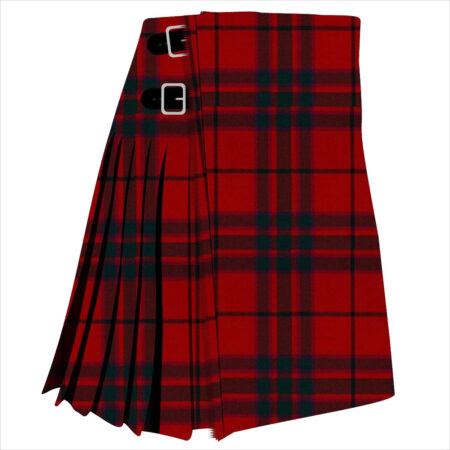 Listed in this tartan
Macnab Modern 1842 Variant Tartan Kilt
Available in Macnab Modern 1842 Variant
Original price was: £241.80.£159.00Current price is: £159.00.View →
Kiltsthree styles
 Made to order
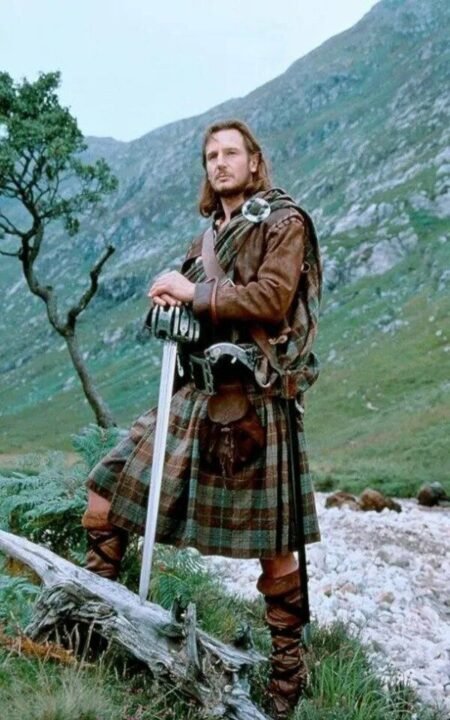
Great Kilt, 6 Yards
Available in Macnab Modern 1842 Variant
Original price was: £205.00.£60.00Current price is: £60.00.Configure → Made to order
Tartan Utility Kilt
Available in Macnab Modern 1842 Variant
Original price was: £110.00.£60.00Current price is: £60.00.Configure →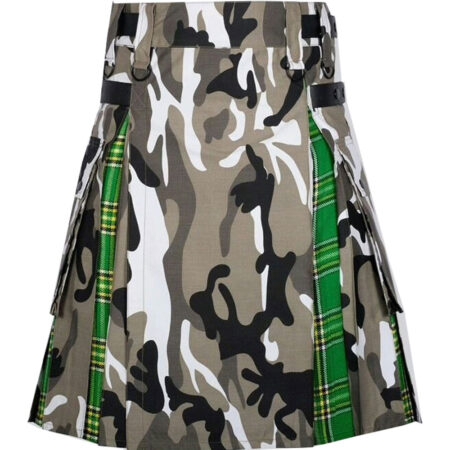 Made to order
Utility Cargo Hybrid Kilt
Available in Macnab Modern 1842 Variant
Original price was: £110.00.£65.00Current price is: £65.00.Configure →
For womenfour styles
 Made to order
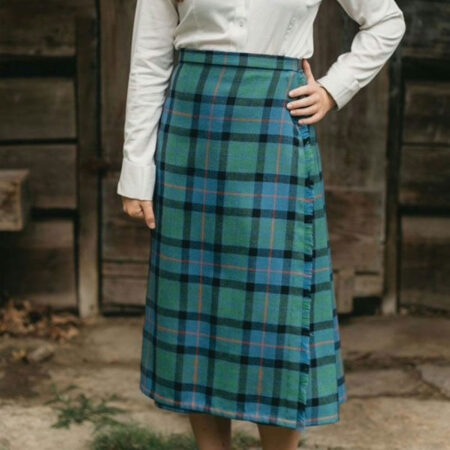
Tartan Kilt for Women
Available in Macnab Modern 1842 Variant
Original price was: £120.00.£77.00Current price is: £77.00.Configure →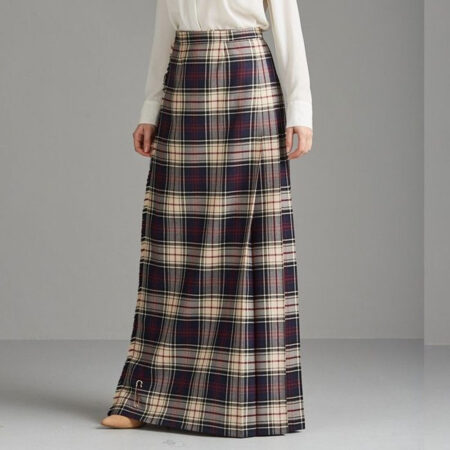 Made to order
The Classic Kilted Skirt, Maxi
Available in Macnab Modern 1842 Variant
Original price was: £350.00.£89.00Current price is: £89.00.Configure → Made to order
Long Kilted Skirt, Maxi
Available in Macnab Modern 1842 Variant
Original price was: £199.00.£145.00Current price is: £145.00.Configure →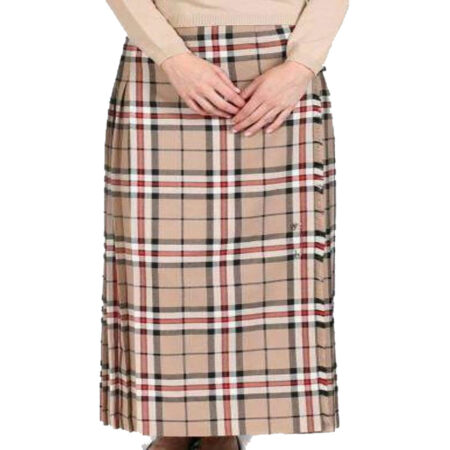 Made to order
Full Length Hostess Kilt
Available in Macnab Modern 1842 Variant
Original price was: £135.00.£95.00Current price is: £95.00.Configure →
For childrenone style

Accessoriesfour styles
 Made to order
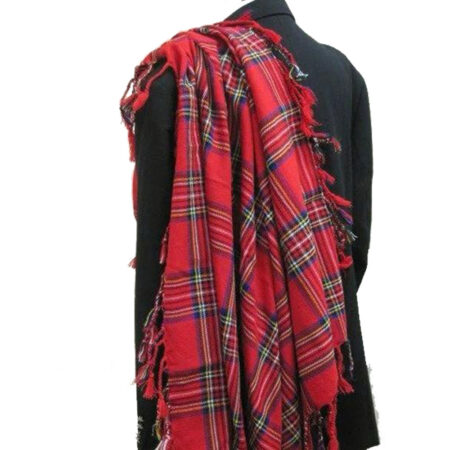
Tartan Fly Plaid
Available in Macnab Modern 1842 Variant
Original price was: £80.00.£45.00Current price is: £45.00.Configure →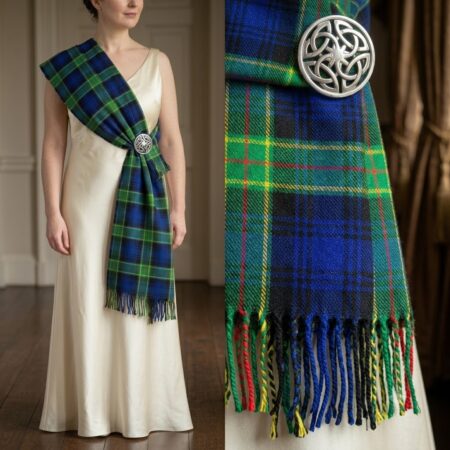 Made to order
Tartan Sash
Available in Macnab Modern 1842 Variant
Original price was: £99.00.£49.00Current price is: £49.00.Configure →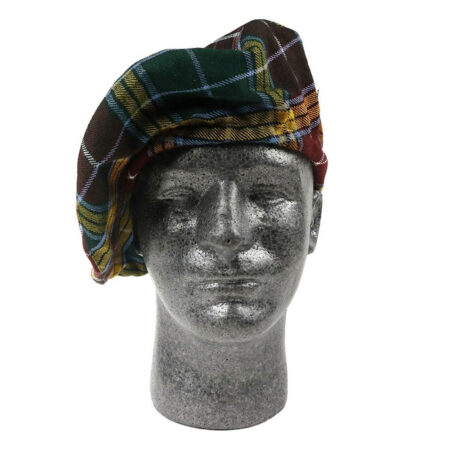
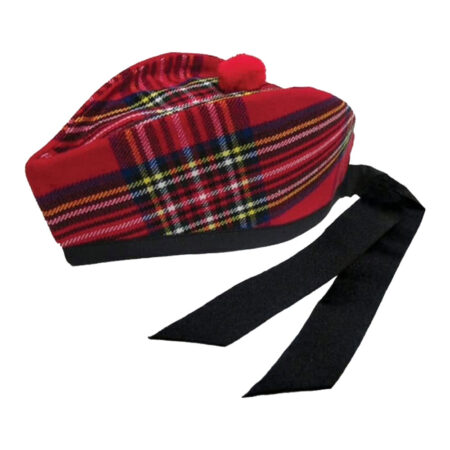
Full Highland outfits39 styles
 Made to order
Men’s 8 Yard Prince Charlie Kilt Outfit
Available in Macnab Modern 1842 Variant
Original price was: £499.00.£315.00Current price is: £315.00.Configure → Made to order
McCalls Highland Kilt Outfit With Argyll Jacket
Available in Macnab Modern 1842 Variant
Original price was: £510.00.£270.00Current price is: £270.00.Configure →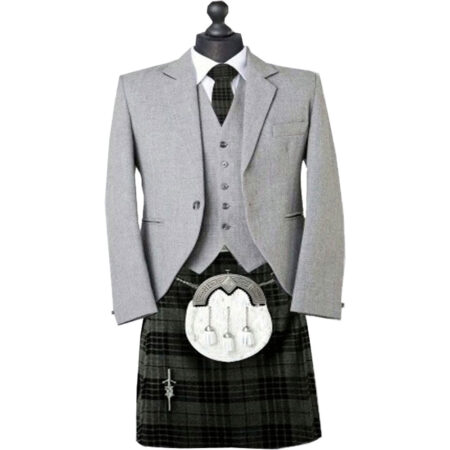 Made to order
Scottish Wedding Men Kilt Outfit
Available in Macnab Modern 1842 Variant
Original price was: £700.00.£304.00Current price is: £304.00.Configure →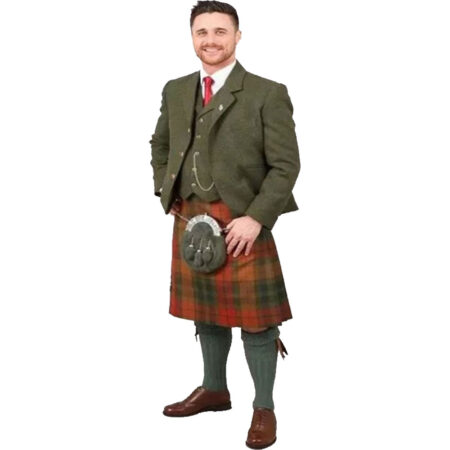 Made to order
Forest Green Tweed Jacket Kilt Outfit
Available in Macnab Modern 1842 Variant
Original price was: £489.00.£249.99Current price is: £249.99.Configure →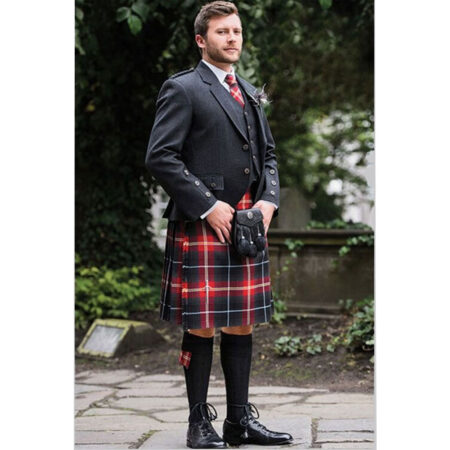 Made to order
Aberdeen Forever Tartan Argyll Kilt Outfit
Available in Macnab Modern 1842 Variant
Original price was: £623.22.£300.00Current price is: £300.00.Configure →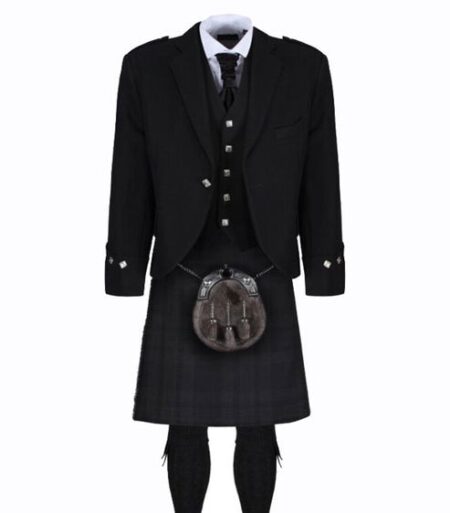 Made to order
Black Isle Argyll Jacket Kilt Outfit
Available in Macnab Modern 1842 Variant
Original price was: £504.00.£315.00Current price is: £315.00.Configure →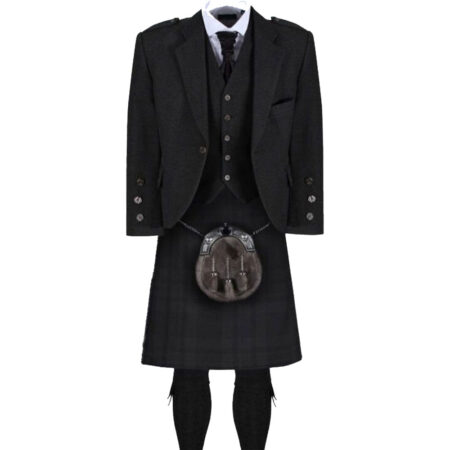 Made to order
Black Isle Dark Grey Tweed Jacket Kilt Outfit
Available in Macnab Modern 1842 Variant
Original price was: £510.00.£315.00Current price is: £315.00.Configure →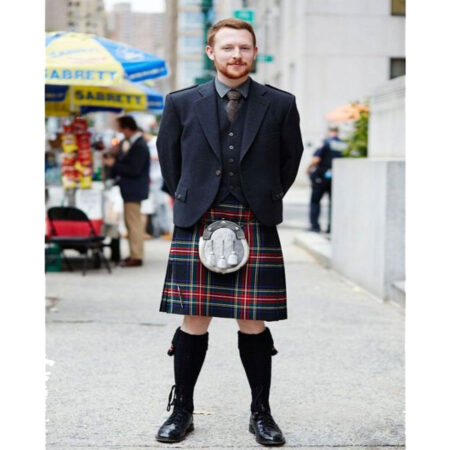 Made to order
Black Stewart Tartan Argyll Kilt Outfit
Available in Macnab Modern 1842 Variant
Original price was: £467.22.£235.00Current price is: £235.00.Configure →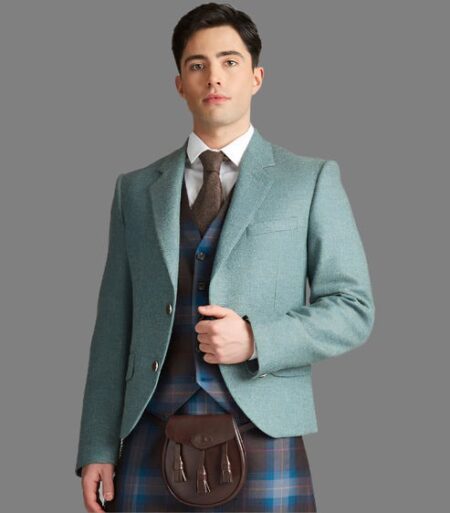 Made to order
Blue Lovat Tweed Jacket Kilt Outfit
Available in Macnab Modern 1842 Variant
Original price was: £504.00.£350.00Current price is: £350.00.Configure →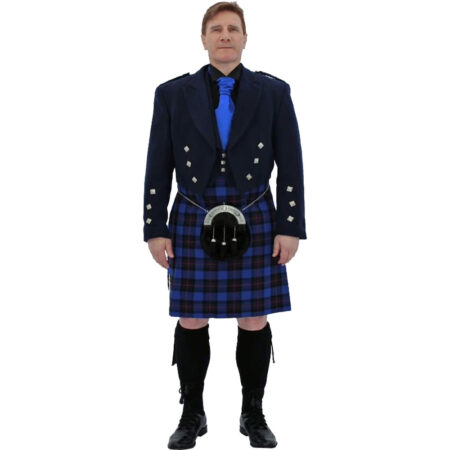 Made to order
Blue Prince Charlie Rangers Outfit
Available in Macnab Modern 1842 Variant
Original price was: £500.00.£320.00Current price is: £320.00.Configure →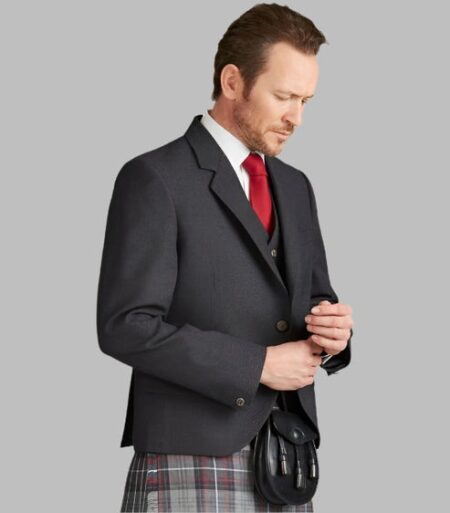 Made to order
Charcoal Grey Tweed Jacket Kilt Outfit
Available in Macnab Modern 1842 Variant
Original price was: £504.00.£350.00Current price is: £350.00.Configure →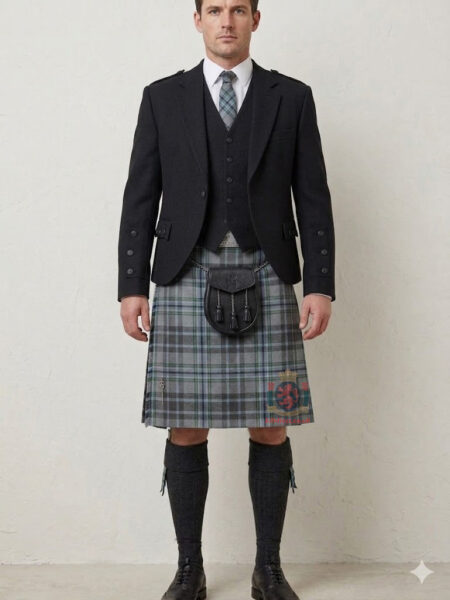 Made to order
Clan Giants Causeway JR679T Tartan Black Jacket Kilt Outfit
Available in Macnab Modern 1842 Variant
Original price was: £545.00.£210.00Current price is: £210.00.Configure →
The sett
About the Macnab Modern 1842 Variant tartan
Few Highland families lost everything as completely, or as late, as this one: the abbots’ heirs held Glen Dochart on a charter of 1336 and were foreclosed out of it in 1823.
Children of the abbot
Mac an Aba means son of the abbot, and the office in question was a real one. Glen Dochart held a monastic foundation associated with St Fillan, and in the old Gaelic church its abbacy passed within a kindred rather than by election. The Macnabs are that kindred. The clan carries the descent further back than the abbacy, to a progenitor called Abraruadh made a younger son of Kenneth mac Alpin and a nephew of Fillan himself; that part is tradition, and the generations below it are not documented. What is on record is more prosaic: a charter reference as early as 1124, and a Malcolm de Glendochart submitting to Edward I in 1296.
Forfeited, then restored by charter
The Macnabs picked the losing side in the Wars of Independence. They stood with the MacDougalls of Lorn against Robert Bruce, including at Dail Righ near Tyndrum in 1306, and after Bannockburn their lands were forfeited and their writs destroyed. The recovery was partial and dated: Gilbert Macnab took a charter from David II in 1336, which left him the barony of Bovain in Glen Dochart. That document matters more than any battle in the clan’s story: every later Macnab claim to the glen runs back through it, and the destruction of the earlier papers is why the pre-1336 history is so thin.
The Neish feud, and Smooth John
The best-known Macnab story concerns the Neishes, who held an island in Loch Earn and used it to raid. In the version the clan tells, the chief’s sons carried a boat overland from Loch Tay, rowed across in the dark and killed almost every Neish on the island. It is told with great specificity — the boat, the hill, the words spoken — and it is still tradition. The son at the centre of it, Iain Min or Smooth John, is a documented figure. He fought for Montrose at Kilsyth in 1645 and led Macnabs to Worcester in 1651, where the clan’s fighting strength was spent in the Royalist cause much as it had been spent against Bruce three centuries earlier.
The debts, the portrait and Canada
Francis Macnab, who lived from 1734 to 1816, is the reason many people recognise the name at all. Sir Henry Raeburn painted him around 1802, full length and in full Highland dress, and the picture is simply called The Macnab. Even his number is contested: the National Galleries of Scotland catalogue him as twelfth laird, the clan reckons him sixteenth chief, and both are in print. He entertained on a scale his rents could not carry, and at his death the estate stood at some thirty-five thousand pounds of debt against an income near a thousand a year.
His nephew Archibald succeeded in 1816 and the collapse followed quickly. A writ of foreclosure was issued in 1823, and the Killin lands passed to the fourth Earl of Breadalbane, the principal creditor. Archibald had already gone; he reached the Canadas in 1822, and in November 1823 the Executive Council of Upper Canada approved his scheme for a township on the Ottawa. McNab Township was surveyed in 1824 and settlers of the name began arriving from Scotland in 1825, bound by indentures that owed him quit-rents in wheat on every cleared acre. They petitioned against those terms as early as 1829; an investigation by Francis Allan in 1840 produced a report, published in 1842, that ended his authority. He left the township in 1844 and died at Lannion in Brittany on 12 August 1860. It is an unusually well-documented clan disaster, because the Canadian half of it generated government paper.
The chiefship after the land
The line survived the loss of the estate, and the chiefship is held today by the twenty-fourth chief, James William Macnab of Macnab. Some of the clan’s ground has come back in pieces rather than as an estate: in 1987 the twenty-third chief, James Charles Macnab of Macnab, gave Innis Bhuidhe, the burial island in the Falls of Dochart at Killin where earlier chiefs lie, to a clan trust to hold in perpetuity.
Because there is a chief with matriculated arms, the ordinary conventions hold. Anyone of the name in its spellings — Macnab, MacNab, McNab — and anyone who counts themselves of the clan may wear the family setts. The several named Macnab patterns are distinct designs; the Modern, Ancient, Weathered and Muted labels describe dye recipes applied to one and the same thread order, so a Weathered cloth is not an older pattern, only a differently dyed one. The chief’s arms belong to him alone, and the crest badge is worn inside a strap and buckle to show whose crest it is.
Sources: Wikipedia, Clan Macnab; Dictionary of Canadian Biography, McNab, Archibald, 17th Chief of Clan Macnab; Clan Macnab Society, The Notorious Chief; macnabclan.com, The Clan Lands; National Galleries of Scotland, catalogue entry for Francis Macnab after Raeburn.
Not the sett you were after?
All 2,107 tartans are available to order, and any of them can be cut into any style on this page.