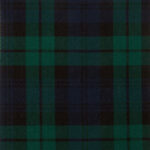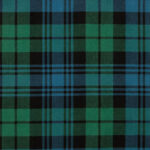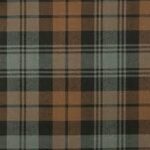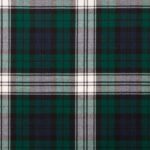
 Black Watch Modern
The Black Watch
The Black Watch grew out of the Independent Highland Companies raised to police the Highlands after the Jacobite rising of 1715. In 1725 General George Wade was authorised to form six companies from loyal Highland families — Campbells, Grants, Frasers and Munros — to watch the glens, deter cattle raiding and enforce the disarming acts. Their Gaelic name, Am Freiceadan Dubh, “the black watch”, is usually explained by the dark tartan they wore together with that watching role.
In 1739 the companies were regimented by royal warrant; the regiment mustered near Aberfeldy in May 1740 as the 43rd Highland Regiment of Foot, and was renumbered the 42nd in 1749. Fontenoy in 1745 was its first general action; at Ticonderoga in 1758 it suffered severe losses, and it received the “Royal Highland Regiment” title that year. The red hackle was adopted in 1795. Alexandria, Waterloo, the Alma, Tel-el-Kebir and El Alamein followed. In 1881 the 42nd amalgamated with the 73rd Foot; in 2006 the regiment became the 3rd Battalion, Royal Regiment of Scotland.
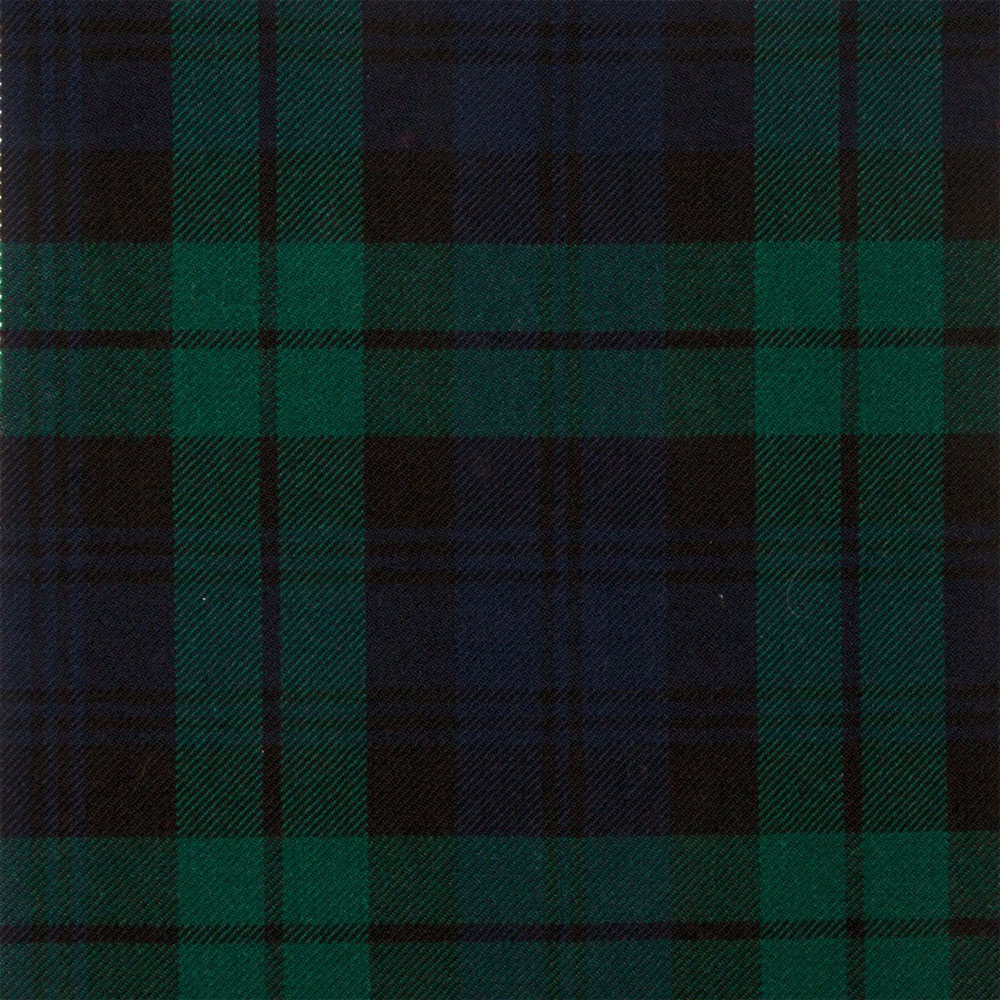
The Government sett
This is the army’s Government No. 1 tartan. Wade’s order of 1725 that company plaids be “as near as they can of the same sort & Colour” is the earliest documentary trace, and Wilsons of Bannockburn, weaving for the regiments from about 1770, supplied it in graded qualities.
It became the base pattern for many others, produced by adding overstripes: Gordon with yellow, Mackenzie with red and white, Murray of Atholl with red, and clan setts such as Forbes and Lamont. That is why so many tartans look like close relatives of this one, because they are.
A note on honesty: the origin of the sett itself is genuinely disputed. The common retail claim that the Black Watch simply is the Campbell tartan is not supported by modern scholarship, and the continuity between the cloth worn by the 1725 companies and the pattern woven today is not established.
Tartan facts
| Type | Military and Government tartan; it has no chief or plant badge |
|---|---|
| Also called | Government sett, Government No. 1, 42nd Regiment |
| Regiment | 42nd (Royal Highland) Regiment, now 3rd Battalion, Royal Regiment of Scotland |
| Distinction | The red hackle, adopted in 1795 |
| Home | Balhousie Castle, Perth |
| Who can wear it | Anyone. It is the usual choice for those with no clan tartan of their own |