
Bruce Tartan
A clan and family tartan, available to order. Everything we make in Bruce: kilts, kilted skirts, accessories and full Highland outfits, every piece cut to your own measurements.
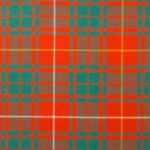 Ancient
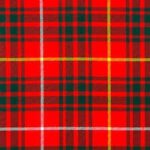 Modern
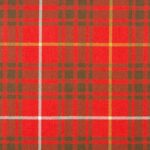 Weathered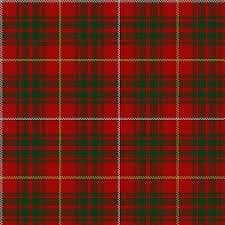
Bruce Tartan · Standard
The Bruce tartan, made to order by Kilt 4 Less. Choose it for a kilt, a kilted skirt, an accessory or a full Highland outfit — everything below is cut to your own measurements.
- Tartan typeClan and family tartan
- Colours in it
- Red
- Brown
- Settings availableAncient, Modern and Weathered
- How it is madeMade to order and cut to your own measurements
Choose your product
Products in Bruce
Everything below can be made in the Bruce tartan. Choose a product, then pick your size and options on the next page — the tartan is already selected for you.
Listed in this tartanthree items
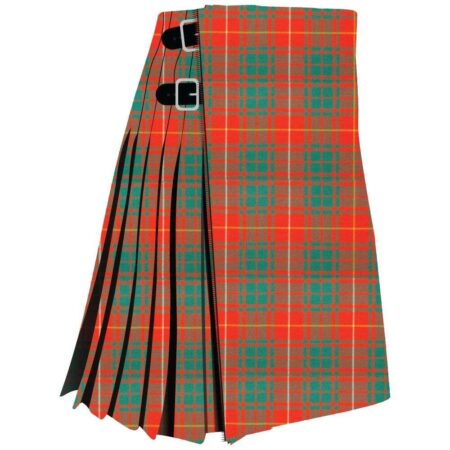 Listed in this tartan
Bruce Ancient Tartan Kilt
Available in Bruce
Original price was: £210.00.£122.00Current price is: £122.00.View →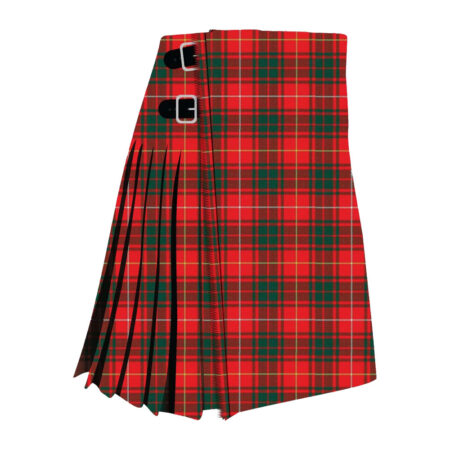 Listed in this tartan
Bruce Modern Tartan Kilt
Available in Bruce
Original price was: £189.00.£89.00Current price is: £89.00.View →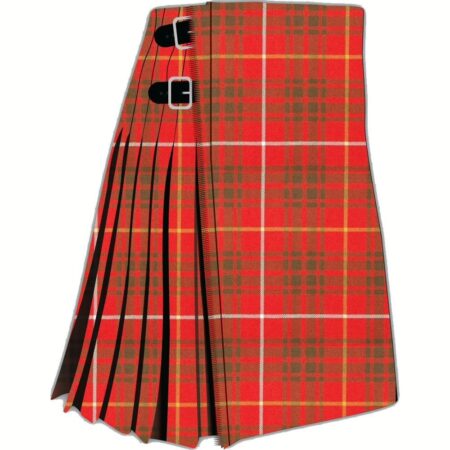 Listed in this tartan
Bruce Weathered Tartan Kilt
Available in Bruce
Original price was: £241.80.£159.00Current price is: £159.00.View →
Kiltsthree styles
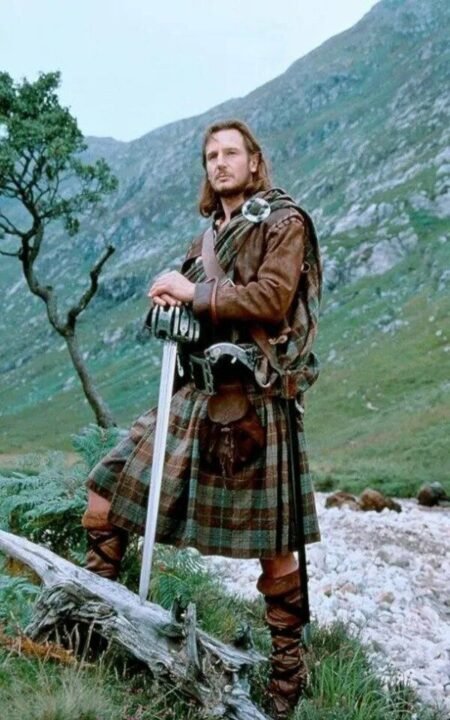 Made to order
Great Kilt, 6 Yards
Available in Bruce
Original price was: £205.00.£60.00Current price is: £60.00.Configure → Made to order
Tartan Utility Kilt
Available in Bruce
Original price was: £110.00.£60.00Current price is: £60.00.Configure →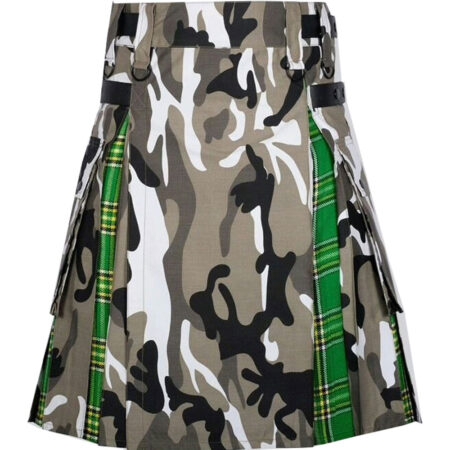 Made to order
Utility Cargo Hybrid Kilt
Available in Bruce
Original price was: £110.00.£65.00Current price is: £65.00.Configure →
For womenfour styles
 Made to order
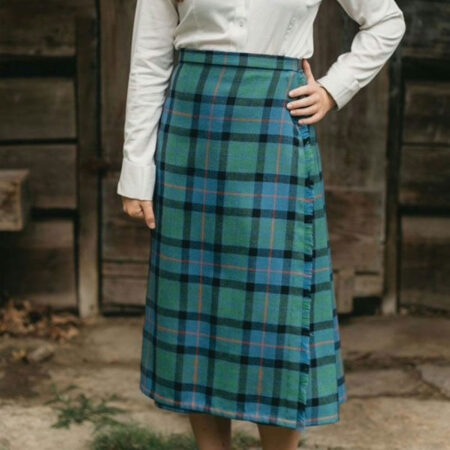
Tartan Kilt for Women
Available in Bruce
Original price was: £120.00.£77.00Current price is: £77.00.Configure →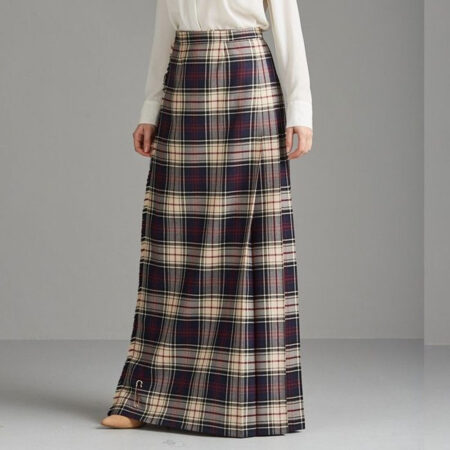 Made to order
The Classic Kilted Skirt, Maxi
Available in Bruce
Original price was: £350.00.£89.00Current price is: £89.00.Configure → Made to order
Long Kilted Skirt, Maxi
Available in Bruce
Original price was: £199.00.£145.00Current price is: £145.00.Configure →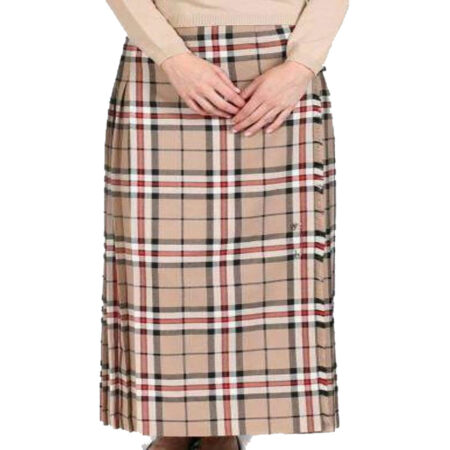 Made to order
Full Length Hostess Kilt
Available in Bruce
Original price was: £135.00.£95.00Current price is: £95.00.Configure →
For childrenone style

Accessoriesfour styles
 Made to order
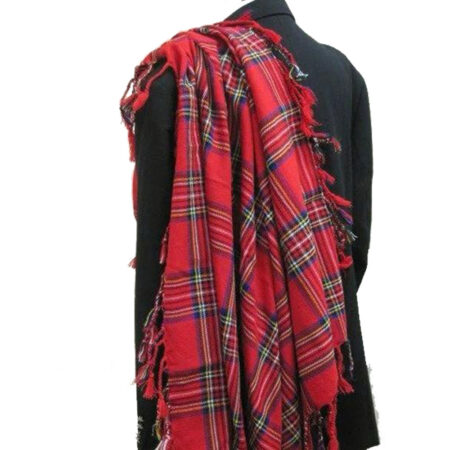
Tartan Fly Plaid
Available in Bruce
Original price was: £80.00.£45.00Current price is: £45.00.Configure →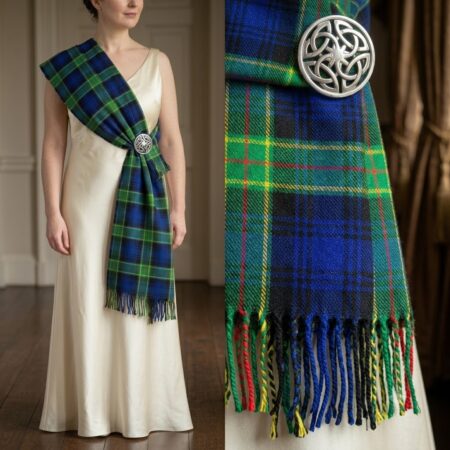 Made to order
Tartan Sash
Available in Bruce
Original price was: £99.00.£49.00Current price is: £49.00.Configure →
Full Highland outfits39 styles
 Made to order
Men’s 8 Yard Prince Charlie Kilt Outfit
Available in Bruce
Original price was: £499.00.£315.00Current price is: £315.00.Configure → Made to order
McCalls Highland Kilt Outfit With Argyll Jacket
Available in Bruce
Original price was: £510.00.£270.00Current price is: £270.00.Configure →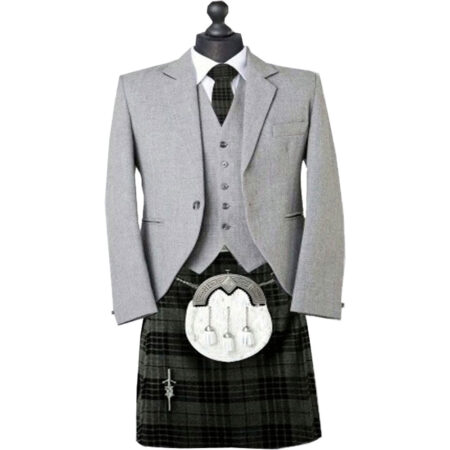 Made to order
Scottish Wedding Men Kilt Outfit
Available in Bruce
Original price was: £700.00.£304.00Current price is: £304.00.Configure →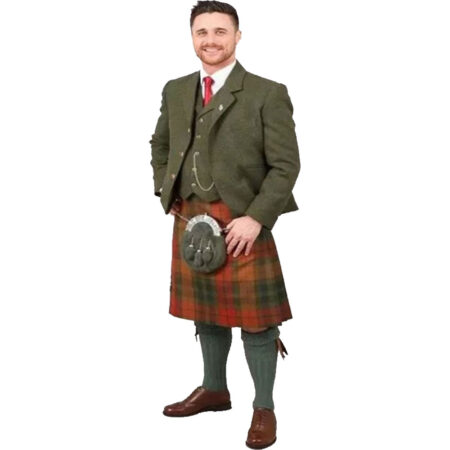 Made to order
Forest Green Tweed Jacket Kilt Outfit
Available in Bruce
Original price was: £489.00.£249.99Current price is: £249.99.Configure →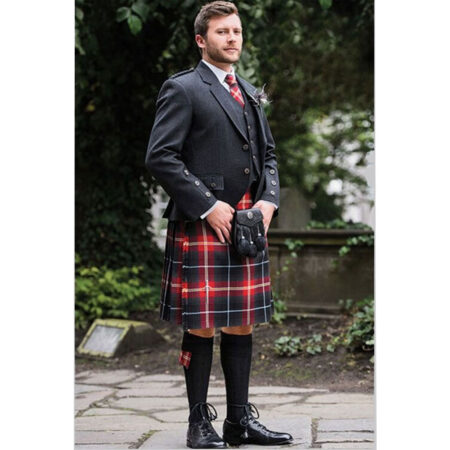 Made to order
Aberdeen Forever Tartan Argyll Kilt Outfit
Available in Bruce
Original price was: £623.22.£300.00Current price is: £300.00.Configure →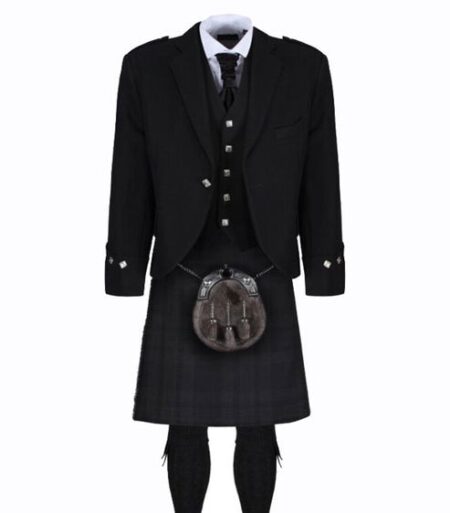 Made to order
Black Isle Argyll Jacket Kilt Outfit
Available in Bruce
Original price was: £504.00.£315.00Current price is: £315.00.Configure →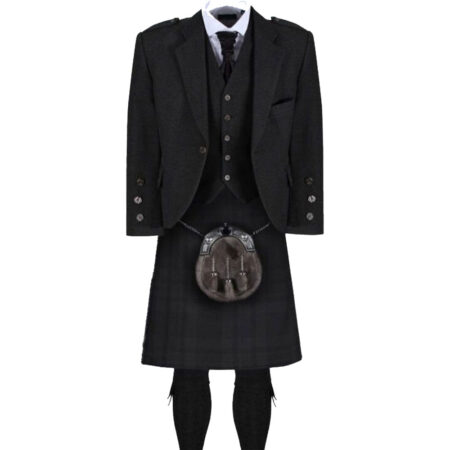 Made to order
Black Isle Dark Grey Tweed Jacket Kilt Outfit
Available in Bruce
Original price was: £510.00.£315.00Current price is: £315.00.Configure →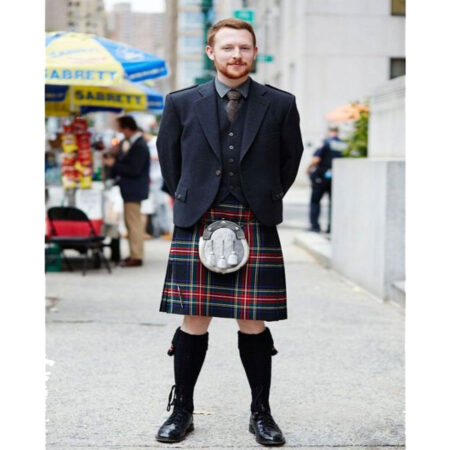 Made to order
Black Stewart Tartan Argyll Kilt Outfit
Available in Bruce
Original price was: £467.22.£235.00Current price is: £235.00.Configure →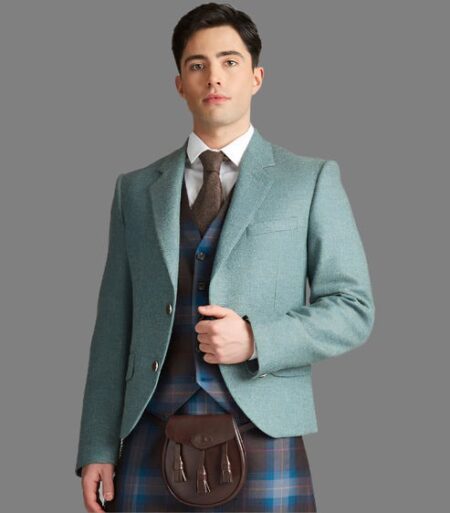 Made to order
Blue Lovat Tweed Jacket Kilt Outfit
Available in Bruce
Original price was: £504.00.£350.00Current price is: £350.00.Configure →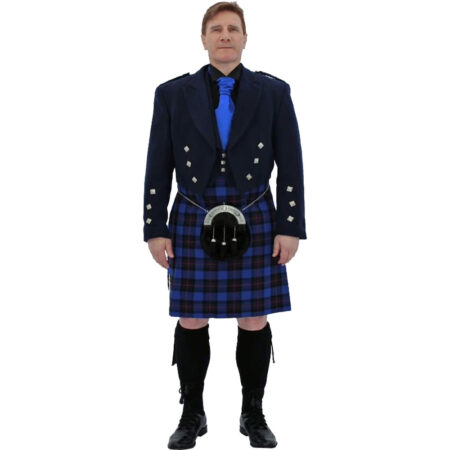 Made to order
Blue Prince Charlie Rangers Outfit
Available in Bruce
Original price was: £500.00.£320.00Current price is: £320.00.Configure →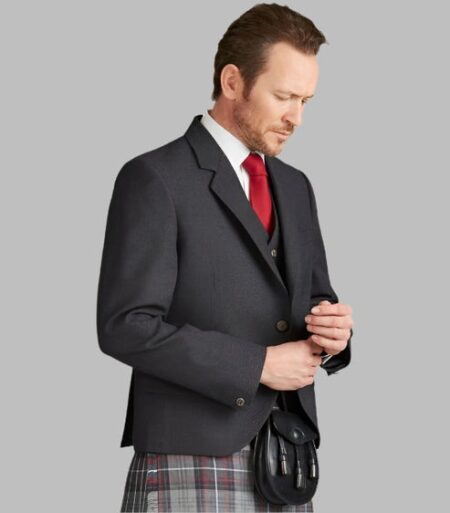 Made to order
Charcoal Grey Tweed Jacket Kilt Outfit
Available in Bruce
Original price was: £504.00.£350.00Current price is: £350.00.Configure →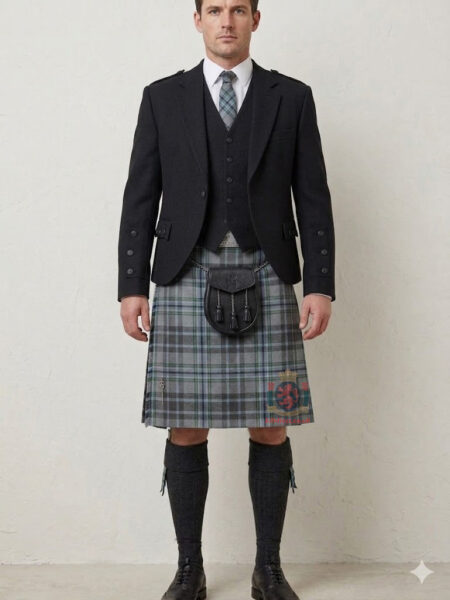 Made to order
Clan Giants Causeway JR679T Tartan Black Jacket Kilt Outfit
Available in Bruce
Original price was: £545.00.£210.00Current price is: £210.00.Configure →
The sett
About the Bruce tartan
For a family that produced a king of Scots, the earliest hard evidence of a Bruce tartan is disappointingly commercial: an order to a Stirlingshire weaving firm in 1797 for fifty ells of the Bruce sett.
Brix, not Hastings
The surname is a place-name from Normandy. The medieval forms are de Brus and de Bruis, taken from the lands now called Brix in the Cotentin. The story that a Bruce stood beside William at Hastings has no foundation; it comes from the unreliable later rolls of companions, and modern accounts discard it. Robert de Brus, first Lord of Annandale, came to England in 1106 in the company of Prince David, the future David I, and followed him north to Scotland in 1124. That is where the family becomes Scottish, though not exclusively so: when the English civil war forced a choice de Brus took the English side. He died on 11 May 1141 and was buried at Guisborough.
From Annandale to the throne
The royal claim rests on one marriage. In 1219 Robert Bruce, fourth Lord of Annandale, married Isobel of Huntingdon, daughter of David, Earl of Huntingdon, and so brought the blood of the Scottish royal house into the family. Their son, the fifth Lord, is the man remembered as the Competitor: he pressed his claim after the death of Alexander III in 1290 and lost to John Balliol when Edward I arbitrated in 1292.
His grandson is the one everyone knows. Robert Bruce swore to Edward I at Berwick after Balliol’s defeat at Dunbar in 1296, joined the revolt in 1297, killed John Comyn in the Greyfriars church at Dumfries and was crowned at Scone in 1306. Bannockburn followed in 1314. He died in 1329 and was succeeded by his son David II, who was captured at Neville’s Cross in 1346, held for eleven years, and died in Edinburgh Castle in 1371 without an heir. With that the crown passed to the Stewarts, and the Bruces went back to being a landed family rather than a royal one.
Elgin, Kincardine and the marbles
The later history runs through a different branch. Sir Edward Bruce was made Lord Kinloss in 1601, went south with James VI in 1603 and served as Master of the Rolls; his son Thomas became first Earl of Elgin in 1633. The earldoms of Elgin and Kincardine came together in 1747 when the fourth Earl died without issue. Thomas Bruce, seventh Earl of Elgin, was ambassador to the Ottoman court from 1799 to 1803 and removed the Parthenon sculptures that still carry his title in the argument over their return. The chiefship of the name goes with the earldom of Elgin and Kincardine, and the family seat is Broomhall in Fife. A separate and older line, the Bruces of Clackmannan, is the one from which much of the Scottish Bruce population traces itself.
The tartan record begins with an order
The documentary trail for the sett is shorter than the family history and rather more honest for it. An order dated 1797 among the papers of Wilson of Bannockburn, the weaving firm founded near Stirling around 1770, asks for fifty ells of the Bruce sett. Those papers are held by National Museums Scotland, with copies in the Scottish Tartans Society archive, and they are the earliest known attachment of the name to a pattern.
One claim goes much further back and cannot be tested. When Lord Bruce, Earl of Elgin, approved a Bruce sett in 1967, the approval was said to rest on independent evidence of 1571 in the form of a weaver’s chart with a threadcount. That chart has since been lost, so the 1571 date survives only as a report of a document nobody can now examine. It should be treated as a family claim rather than as a record. What can be said with confidence is that a pattern was being sold under the Bruce name in the 1790s, which places it among the earlier named family setts rather than among the inventions of the 1840s.
Bruce has no dress tartan in the proper sense, although the dance pattern belonging to Bruce of Kinnaird is sometimes described as one. The register holds something in the region of fourteen entries under the name, including hunting variants. Where a Bruce kilt is labelled Ancient, Weathered or Muted, those words describe the dye strengths applied to the same threading rather than distinct designs.
Who ends up wearing it
There is a recognised chief, and anyone of the name or descended from a Bruce line may wear the sett without asking. In practice the tartan has a much wider circulation than the surname, because Robert I belongs to the whole country and a good many people wear Bruce out of attachment to him rather than to a genealogy. No rule stands against that.
Sources: Clan Bruce, Wikipedia; Clan Carruthers Society International, The Bruce Tartan, citing the Wilson of Bannockburn papers in National Museums Scotland; Peter MacDonald, Tartan History, scottishtartans.co.uk; Scottish Register of Tartans.
Near neighbours
Other Bruce setts
The same pattern in different depths of colour. Any of them can be made up in any style above.
Not the sett you were after?
All 2,107 tartans are available to order, and any of them can be cut into any style on this page.