
Home › Tartans › Cameron Black and Red Dress Modern
Cameron Black and Red Dress Modern Tartan
A clan and family tartan, available to order. Everything we make in Cameron Black and Red Dress Modern: kilts, kilted skirts, accessories and full Highland outfits, every piece cut to your own measurements.
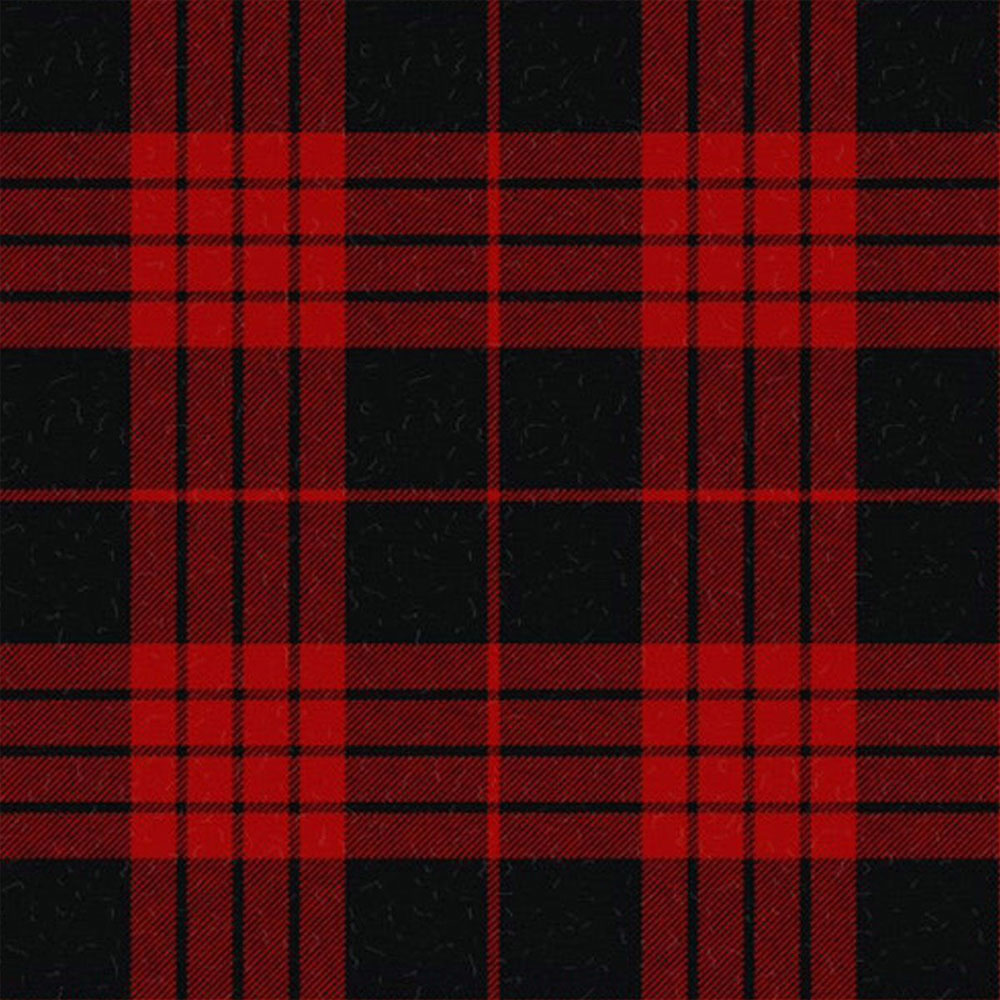
- Modern
Cameron Black and Red Dress Modern Tartan · Modern
The Cameron Black and Red Dress Modern tartan, made to order by Kilt 4 Less. Choose it for a kilt, a kilted skirt, an accessory or a full Highland outfit — everything below is cut to your own measurements.
- Tartan typeClan and family tartan
- Colours in it
- White
- Black
- Red
- Brown
- How it is madeMade to order and cut to your own measurements
Choose your product
Products in Cameron Black and Red Dress Modern
Everything below can be made in the Cameron Black and Red Dress Modern tartan. Choose a product, then pick your size and options on the next page — the tartan is already selected for you.
Listed in this tartanone item
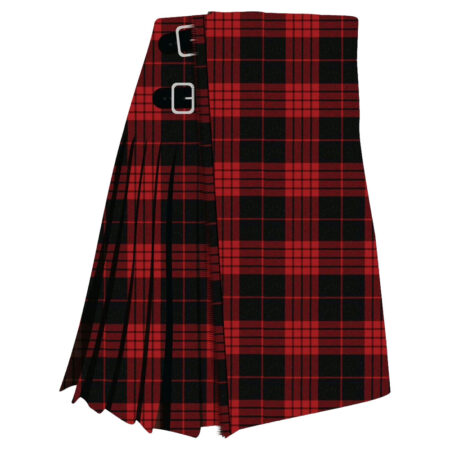 Listed in this tartan
Cameron Black and Red Dress Modern Tartan Kilt
Available in Cameron Black and Red Dress Modern
Original price was: £241.80.£159.00Current price is: £159.00.View →
Kiltsthree styles
 Made to order
Great Kilt, 6 Yards
Available in Cameron Black and Red Dress Modern
Original price was: £205.00.£60.00Current price is: £60.00.Configure → Made to order
Tartan Utility Kilt
Available in Cameron Black and Red Dress Modern
Original price was: £110.00.£60.00Current price is: £60.00.Configure →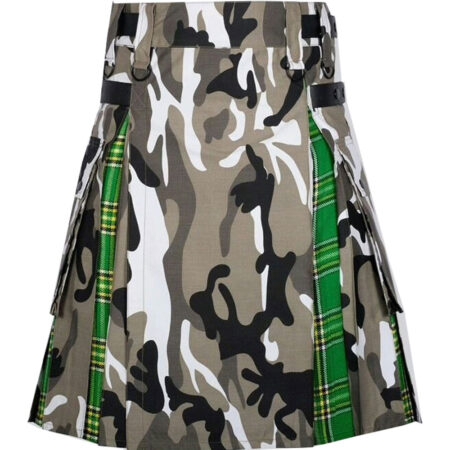 Made to order
Utility Cargo Hybrid Kilt
Available in Cameron Black and Red Dress Modern
Original price was: £110.00.£65.00Current price is: £65.00.Configure →
For womenfour styles
 Made to order
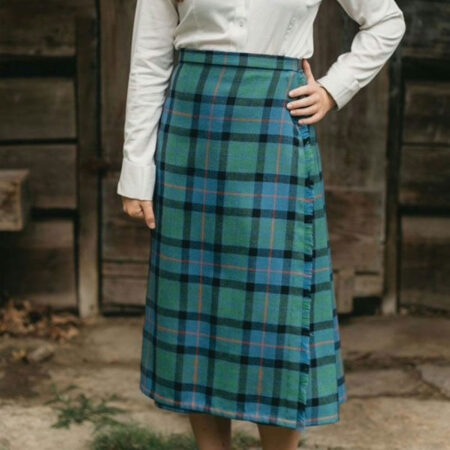
Tartan Kilt for Women
Available in Cameron Black and Red Dress Modern
Original price was: £120.00.£77.00Current price is: £77.00.Configure →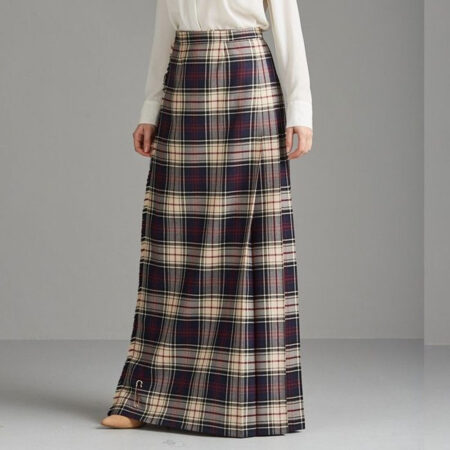 Made to order
The Classic Kilted Skirt, Maxi
Available in Cameron Black and Red Dress Modern
Original price was: £350.00.£89.00Current price is: £89.00.Configure → Made to order
Long Kilted Skirt, Maxi
Available in Cameron Black and Red Dress Modern
Original price was: £199.00.£145.00Current price is: £145.00.Configure →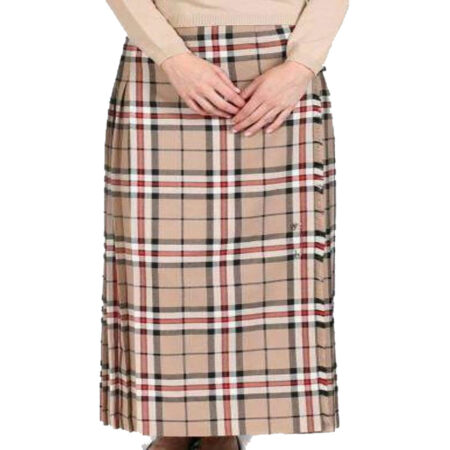 Made to order
Full Length Hostess Kilt
Available in Cameron Black and Red Dress Modern
Original price was: £135.00.£95.00Current price is: £95.00.Configure →
For childrenone style

Accessoriesfour styles
 Made to order
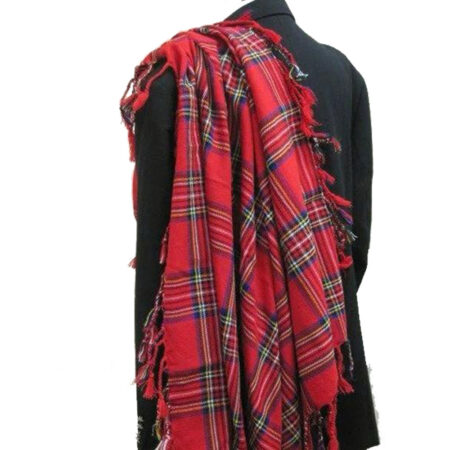
Tartan Fly Plaid
Available in Cameron Black and Red Dress Modern
Original price was: £80.00.£45.00Current price is: £45.00.Configure →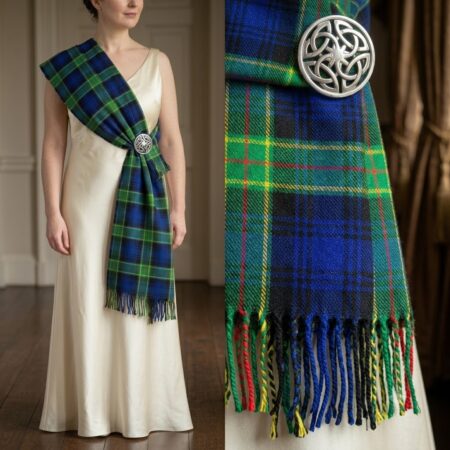 Made to order
Tartan Sash
Available in Cameron Black and Red Dress Modern
Original price was: £99.00.£49.00Current price is: £49.00.Configure →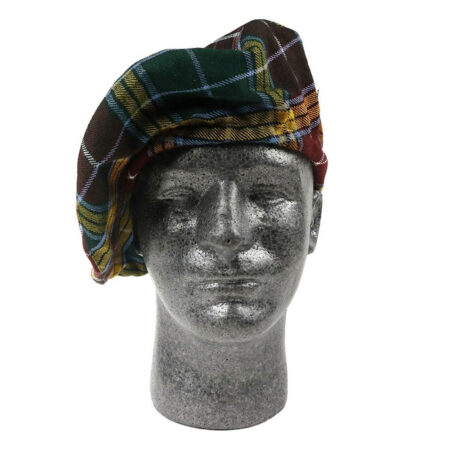
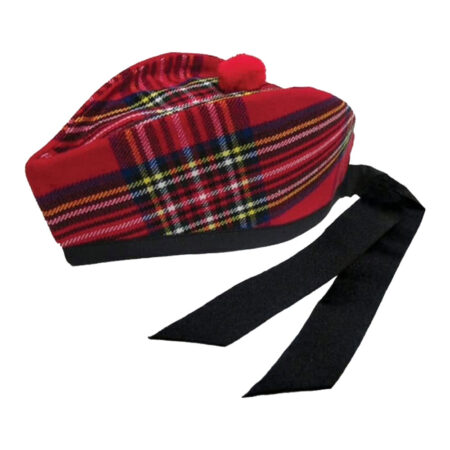
Full Highland outfits39 styles
 Made to order
Men’s 8 Yard Prince Charlie Kilt Outfit
Available in Cameron Black and Red Dress Modern
Original price was: £499.00.£315.00Current price is: £315.00.Configure → Made to order
McCalls Highland Kilt Outfit With Argyll Jacket
Available in Cameron Black and Red Dress Modern
Original price was: £510.00.£325.00Current price is: £325.00.Configure →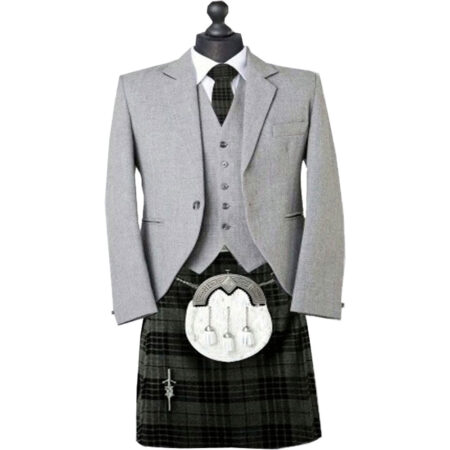 Made to order
Scottish Wedding Men Kilt Outfit
Available in Cameron Black and Red Dress Modern
Original price was: £700.00.£304.00Current price is: £304.00.Configure →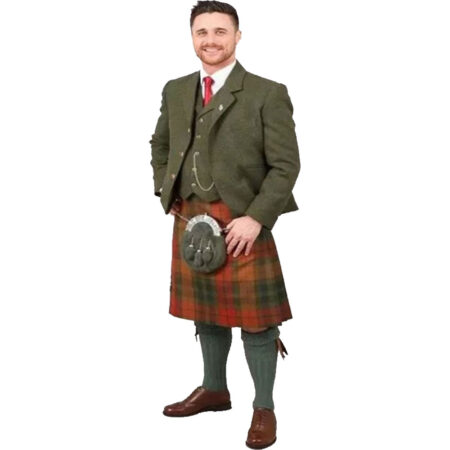 Made to order
Forest Green Tweed Jacket Kilt Outfit
Available in Cameron Black and Red Dress Modern
Original price was: £489.00.£249.99Current price is: £249.99.Configure →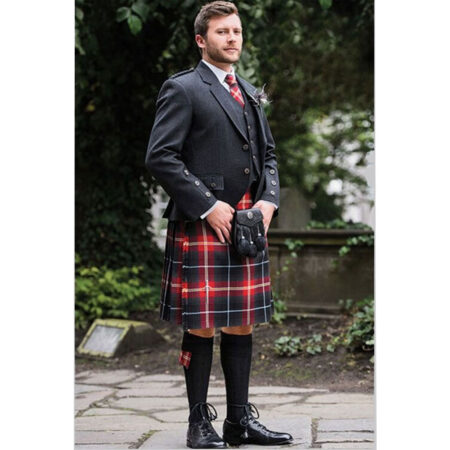 Made to order
Aberdeen Forever Tartan Argyll Kilt Outfit
Available in Cameron Black and Red Dress Modern
Original price was: £623.22.£300.00Current price is: £300.00.Configure →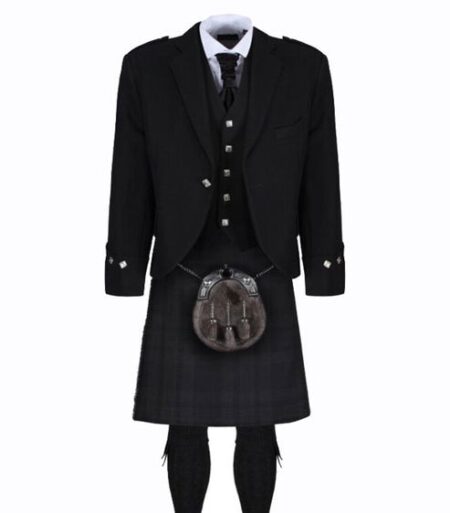 Made to order
Black Isle Argyll Jacket Kilt Outfit
Available in Cameron Black and Red Dress Modern
Original price was: £504.00.£315.00Current price is: £315.00.Configure →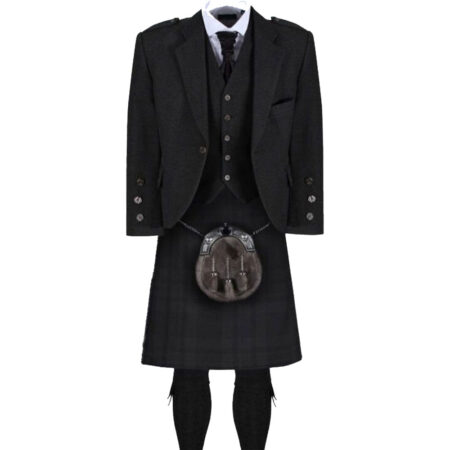 Made to order
Black Isle Dark Grey Tweed Jacket Kilt Outfit
Available in Cameron Black and Red Dress Modern
Original price was: £510.00.£315.00Current price is: £315.00.Configure →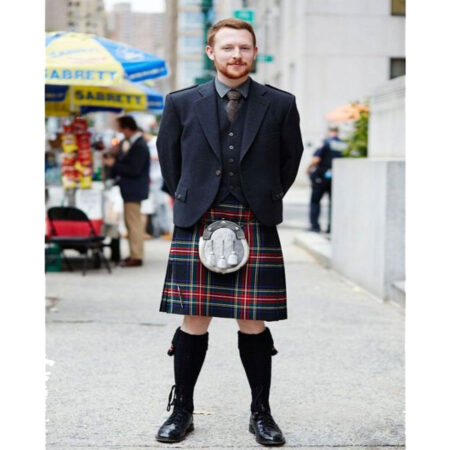 Made to order
Black Stewart Tartan Argyll Kilt Outfit
Available in Cameron Black and Red Dress Modern
Original price was: £467.22.£235.00Current price is: £235.00.Configure →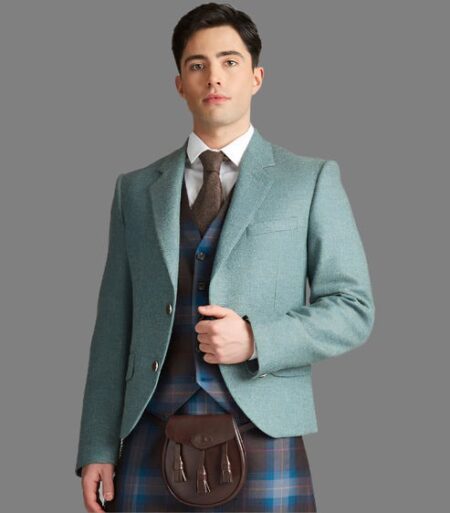 Made to order
Blue Lovat Tweed Jacket Kilt Outfit
Available in Cameron Black and Red Dress Modern
Original price was: £504.00.£350.00Current price is: £350.00.Configure →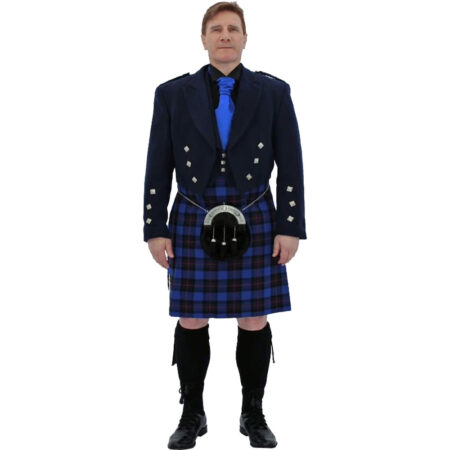 Made to order
Blue Prince Charlie Rangers Outfit
Available in Cameron Black and Red Dress Modern
Original price was: £500.00.£320.00Current price is: £320.00.Configure →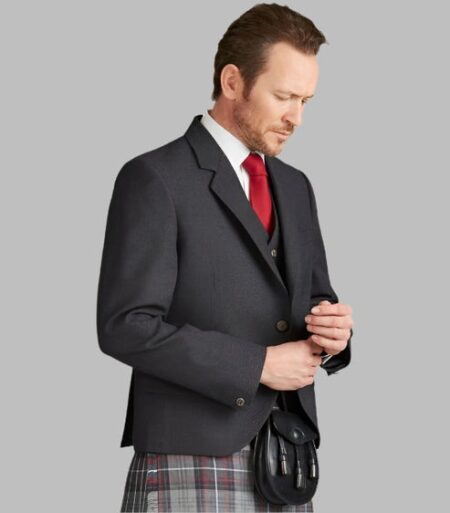 Made to order
Charcoal Grey Tweed Jacket Kilt Outfit
Available in Cameron Black and Red Dress Modern
Original price was: £504.00.£350.00Current price is: £350.00.Configure →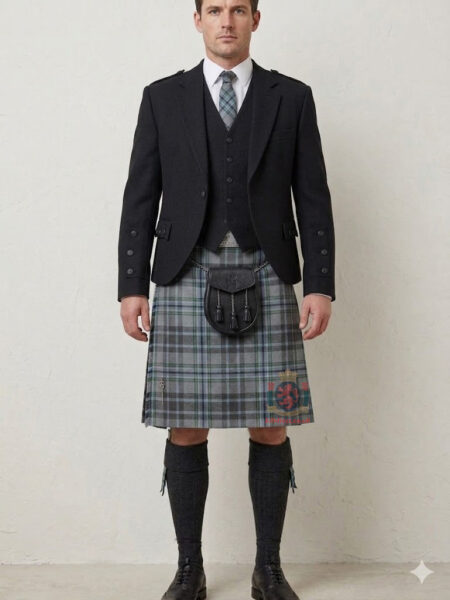 Made to order
Clan Giants Causeway JR679T Tartan Black Jacket Kilt Outfit
Available in Cameron Black and Red Dress Modern
Original price was: £545.00.£299.00Current price is: £299.00.Configure →
The sett
About the Cameron Black And Red Dress Modern tartan
Three quite separate setts carry this name in ordinary use, and the one with the firmest documentary footing belongs not to the clan at large but to a cadet branch and the regiment it raised.
Crooked nose, or a Fife charter?
The usual reading of the name is the Gaelic cam-shron, a crooked or wry nose, given as a byname to an early chief and hardening into a surname among his descendants. The competing account has nothing Highland about it: it traces the family to the de Cambrun kindred of Ballegarno in Fife, whose own name is read as a crooked hill, and it rests chiefly on continuity in the heraldry. Neither case can be closed. The Gaelic derivation suits the clan’s territory and language; the Fife derivation suits the earliest spellings of the written name. Clan tradition adds a third layer — a stranger from the Dunbartonshire side who helped a Lochaber chief in a quarrel and was paid in land and a daughter — but that is tradition, and the record does not settle among the three.
A confederation before it was a clan
What became Clan Cameron was assembled rather than descended. Three kindreds held ground at the western end of Lochaber before the Camerons led them: the MacMartins of Letterfinlay, the MacGillonies of Strone and the MacSorlies of Glen Nevis. Early chiefs are sometimes styled from the MacGillonie line rather than from Cameron at all. Donald Dubh, active around 1400, is the first chief from whom the succession can be followed with confidence; what comes before him belongs to genealogy rather than to record. His marriage into the MacMartins is the usual explanation for how the Camerons came by Letterfinlay, and the Gaelic patronymic of the chiefs, Mac Dhomhnaill Dubh, preserves his name.
Title to the ground was the long problem. Lochiel and Loch Arkaig were claimed by the Mackintoshes as part of the Clan Chattan holdings and by the Lords of the Isles as overlords, and the Camerons answered with crown charters and with raids. In 1472 Allan, son of Donald Dubh, was made keeper of Strome Castle, a MacDonald stronghold, which is one measure of how far the family had risen. The quarrel with Mackintosh ran for something close to three centuries and was closed only in 1665, at the fords of Arkaig, when Sir Ewen Cameron settled it instead of fighting it.
Sir Ewen, the Gentle Lochiel and the bill
Sir Ewen Cameron, born in 1629, is the chief the clan histories linger on: a guerrilla against the Cromwellian garrisons in Lochaber through the 1650s, a litigant through the Restoration, and out with Viscount Dundee at Killiecrankie in 1689. He moved the chief’s house from Tor Castle to Achnacarry and died in 1719 at close to ninety. His grandson Donald, called the Gentle Lochiel, committed the clan to Charles Edward Stuart in 1745 and is generally credited with bringing others out behind him. He was wounded at Culloden, escaped to France and died in exile; most accounts give 1748, a few 1747. Government troops burnt Achnacarry in 1746. The estate came back to the family in the 1780s on payment of a fine, but no chief lived at Achnacarry again until 1837.
Three setts and where each came from
The pattern entered in the Scottish Register of Tartans simply as Cameron, reference 488, is credited there to the Sobieski Stewarts, which places it in the Vestiarium Scoticum of 1842 — a volume presented as a fifteenth-century manuscript, exposed soon after publication and generally treated now as a fabrication. Cameron of Erracht, register reference 495, has a firmer setting: it was taken up in 1793 as the tartan of the 79th Regiment, raised at his own expense by Alan Cameron of Erracht, and clan tradition credits the design to his mother, Marjory or Marsali MacLean of Drimnin, working Cameron and MacDonald elements together so that the new corps would not simply wear the Government sett. The tradition is old and widely repeated; it is not a document. Cameron of Lochiel began as the chief’s own pattern rather than a clan one. A hunting sett, reference 494, has no recorded designer.
Anyone, in practice
The clan has a chief, Cameron of Lochiel, so the ordinary convention holds: those of the name, and the kindreds absorbed into the Lochaber confederation, wear Cameron tartan without needing anyone’s leave. The real decision is between the three setts, and it is not a decision about colour. Erracht is the one with a date, an occasion and a regiment behind it. Lochiel is a chief’s pattern that has become general. The plain Cameron sett has the weakest pedigree and, because of the reach of the Sobieski volume, the widest circulation.
Sources: Scottish Register of Tartans (register entries for Cameron, Cameron Hunting and Cameron of Erracht); Clan Cameron in Australia, concise clan history and chronology of the chiefs; Wikipedia, Clan Cameron, Alan Cameron of Erracht and Vestiarium Scoticum; Fiona M. Sinclair, Highland clans notes on Cameron; ScotClans, survey of the Cameron tartans.
Not the sett you were after?
All 2,107 tartans are available to order, and any of them can be cut into any style on this page.