
Chisholm Tartan
A clan and family tartan, available to order. Everything we make in Chisholm: kilts, kilted skirts, accessories and full Highland outfits, every piece cut to your own measurements.
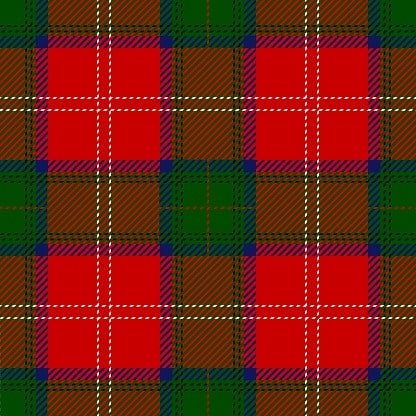
- Standard
Chisholm Tartan · Standard
The Chisholm tartan, made to order by Kilt 4 Less. Choose it for a kilt, a kilted skirt, an accessory or a full Highland outfit — everything below is cut to your own measurements.
- Tartan typeClan and family tartan
- Colours in it
- Red
- Brown
- Green
- How it is madeMade to order and cut to your own measurements
Choose your product
Products in Chisholm
Everything below can be made in the Chisholm tartan. Choose a product, then pick your size and options on the next page — the tartan is already selected for you.
Kiltsthree styles
 Made to order
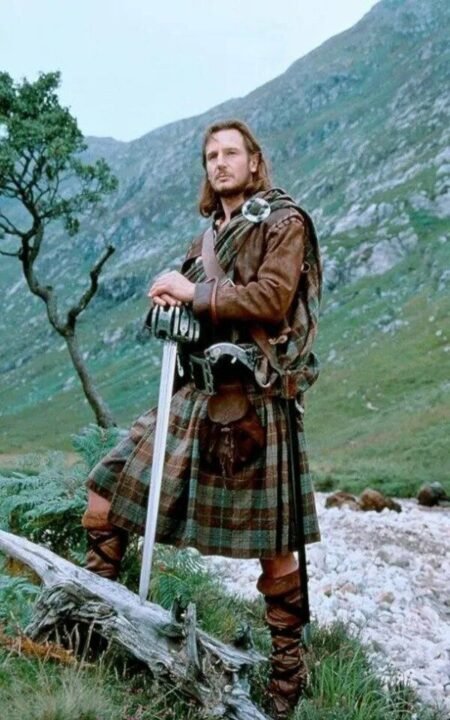
Great Kilt, 6 Yards
Available in Chisholm
Original price was: £205.00.£60.00Current price is: £60.00.Configure → Made to order
Tartan Utility Kilt
Available in Chisholm
Original price was: £110.00.£60.00Current price is: £60.00.Configure →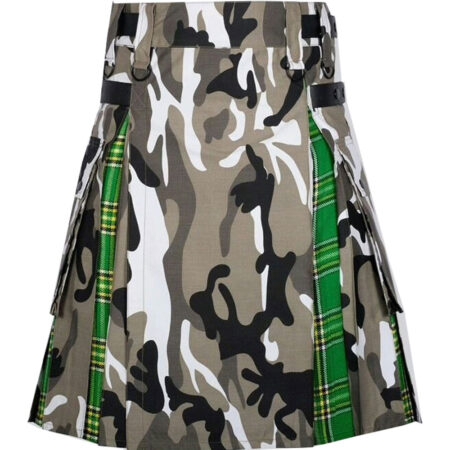 Made to order
Utility Cargo Hybrid Kilt
Available in Chisholm
Original price was: £110.00.£65.00Current price is: £65.00.Configure →
For womenfour styles
 Made to order
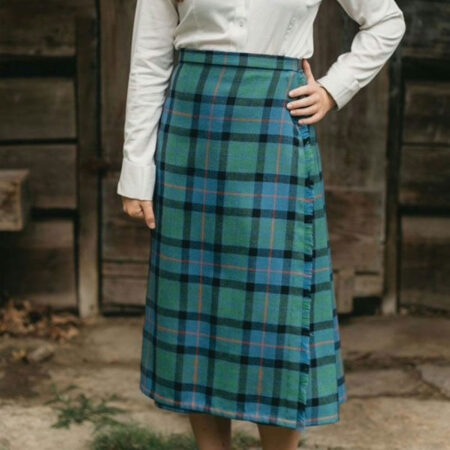
Tartan Kilt for Women
Available in Chisholm
Original price was: £120.00.£77.00Current price is: £77.00.Configure →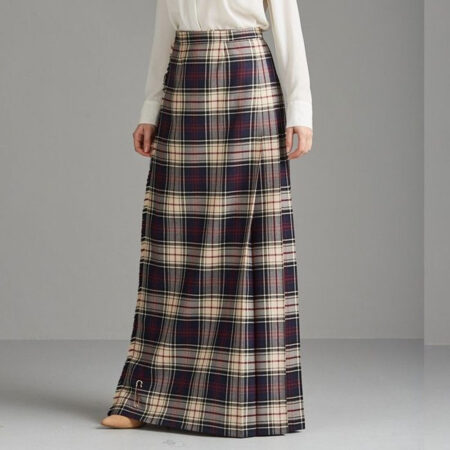 Made to order
The Classic Kilted Skirt, Maxi
Available in Chisholm
Original price was: £350.00.£89.00Current price is: £89.00.Configure → Made to order
Long Kilted Skirt, Maxi
Available in Chisholm
Original price was: £199.00.£145.00Current price is: £145.00.Configure →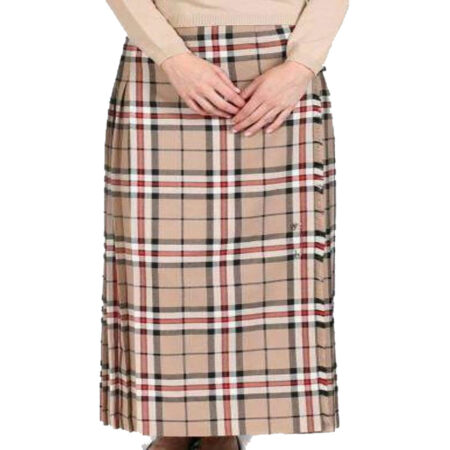 Made to order
Full Length Hostess Kilt
Available in Chisholm
Original price was: £135.00.£95.00Current price is: £95.00.Configure →
For childrenone style

Accessoriesfour styles
 Made to order
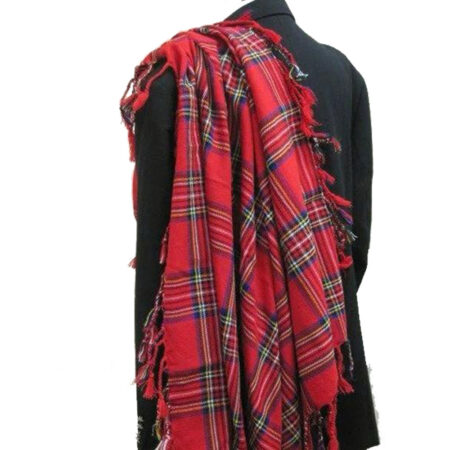
Tartan Fly Plaid
Available in Chisholm
Original price was: £80.00.£45.00Current price is: £45.00.Configure →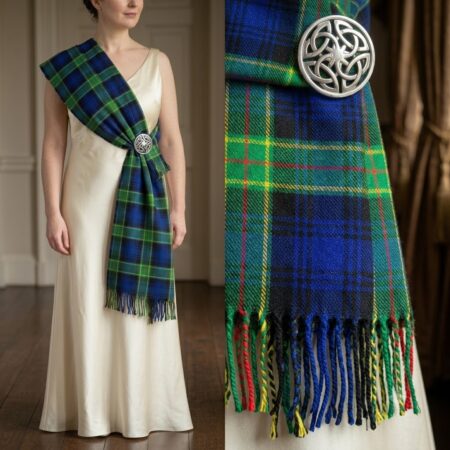 Made to order
Tartan Sash
Available in Chisholm
Original price was: £99.00.£49.00Current price is: £49.00.Configure →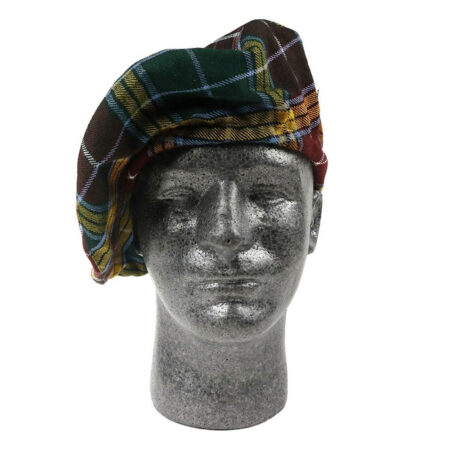
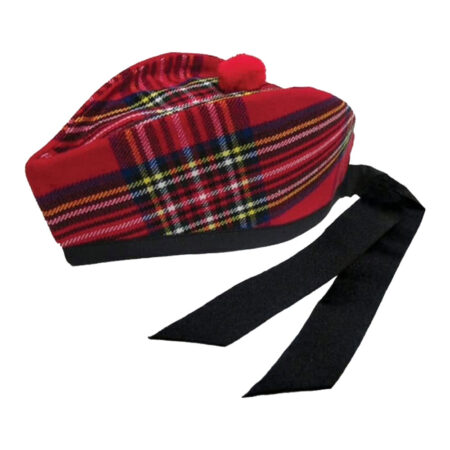
Full Highland outfits39 styles
 Made to order
Men’s 8 Yard Prince Charlie Kilt Outfit
Available in Chisholm
Original price was: £499.00.£315.00Current price is: £315.00.Configure → Made to order
McCalls Highland Kilt Outfit With Argyll Jacket
Available in Chisholm
Original price was: £510.00.£325.00Current price is: £325.00.Configure →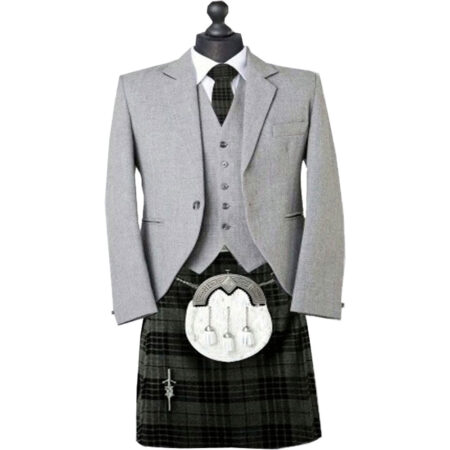 Made to order
Scottish Wedding Men Kilt Outfit
Available in Chisholm
Original price was: £700.00.£304.00Current price is: £304.00.Configure →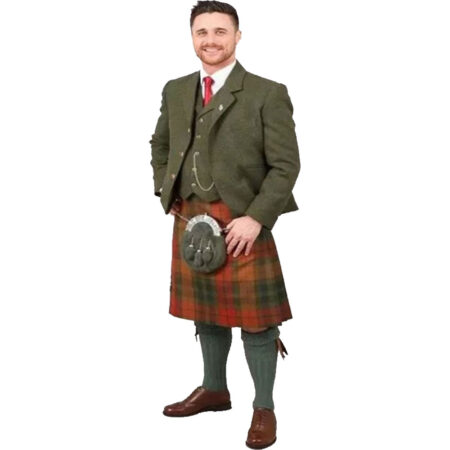 Made to order
Forest Green Tweed Jacket Kilt Outfit
Available in Chisholm
Original price was: £489.00.£249.99Current price is: £249.99.Configure →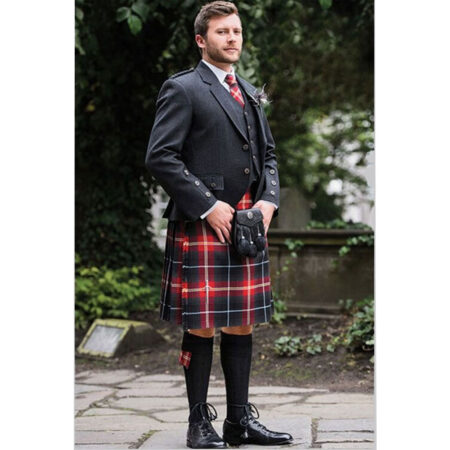 Made to order
Aberdeen Forever Tartan Argyll Kilt Outfit
Available in Chisholm
Original price was: £623.22.£300.00Current price is: £300.00.Configure →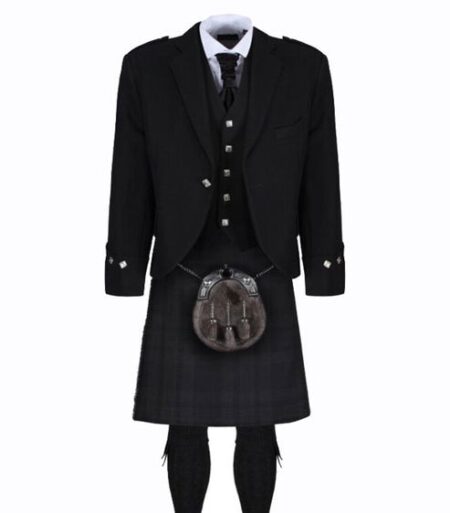 Made to order
Black Isle Argyll Jacket Kilt Outfit
Available in Chisholm
Original price was: £504.00.£315.00Current price is: £315.00.Configure →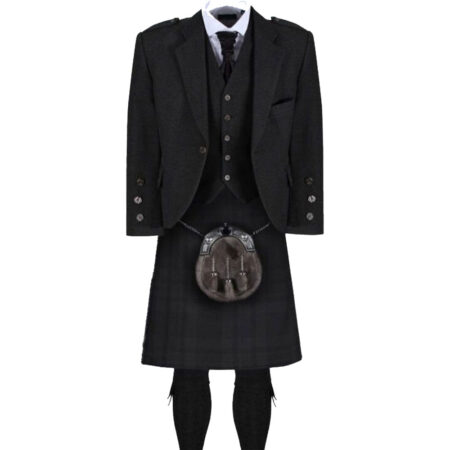 Made to order
Black Isle Dark Grey Tweed Jacket Kilt Outfit
Available in Chisholm
Original price was: £510.00.£315.00Current price is: £315.00.Configure →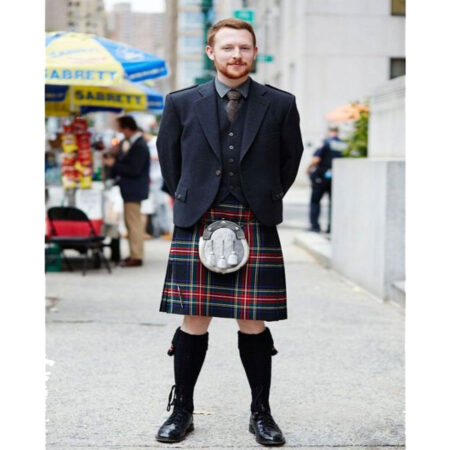 Made to order
Black Stewart Tartan Argyll Kilt Outfit
Available in Chisholm
Original price was: £467.22.£235.00Current price is: £235.00.Configure →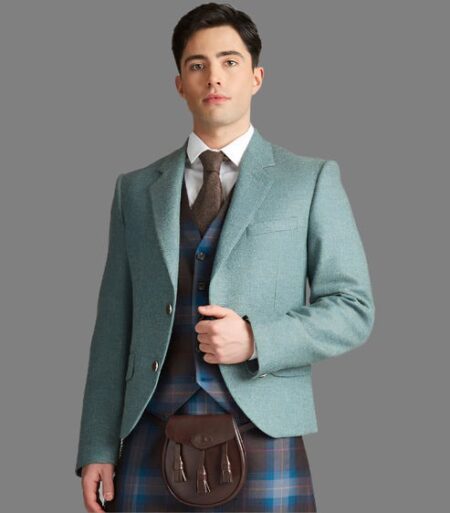 Made to order
Blue Lovat Tweed Jacket Kilt Outfit
Available in Chisholm
Original price was: £504.00.£350.00Current price is: £350.00.Configure →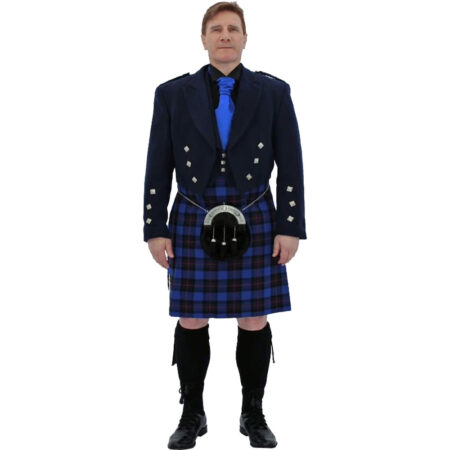 Made to order
Blue Prince Charlie Rangers Outfit
Available in Chisholm
Original price was: £500.00.£320.00Current price is: £320.00.Configure →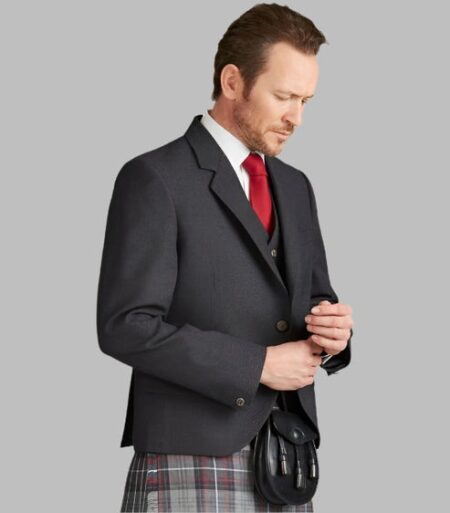 Made to order
Charcoal Grey Tweed Jacket Kilt Outfit
Available in Chisholm
Original price was: £504.00.£350.00Current price is: £350.00.Configure →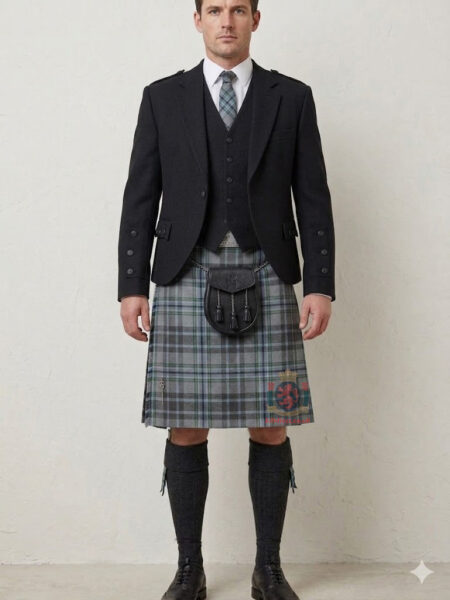 Made to order
Clan Giants Causeway JR679T Tartan Black Jacket Kilt Outfit
Available in Chisholm
Original price was: £545.00.£299.00Current price is: £299.00.Configure →
The sett
About the Chisholm tartan
A Berwickshire family named from a Border river-meadow ended up leading eighty men onto the left wing at Culloden, and the two halves of that sentence are about four centuries and two hundred miles apart.
A Border name, and what it means
Chisholm is almost certainly a place-name, and the usual reading is a compound: a first element given as de Chese by the nineteenth-century historian Alexander Mackenzie, and the Saxon holme, the flat land beside water. Early Scottish records give the form de Cheseholme, which later contracted. Mackenzie held the family to be Norman, arriving in England after 1066 and moving north in the ordinary way; the alternative reading makes it purely a local Border name that acquired a French preposition because that was how charters were written. The documents do not settle which, and the distinction matters less than it looks, since most families in that position were both.
The first Chisholm in Scotland who can be named is John de Chisholme, who appears in a bull of Pope Alexander IV in 1254 and held lands in Berwickshire. Richard de Chisholm rendered homage to Edward I in the Ragman Rolls of 1296. Sir Robert de Chisholme, reckoned the fifth chief, fought at Neville’s Cross in 1346.
How a Border family became a Highland one
The move north came through marriage rather than conquest. Sir Robert’s son Alexander married Margaret, heiress of Erchless in Strathglass, and from that point the chiefs were Highland chiefs. Erchless Castle itself began as a thirteenth-century Bissett stronghold; the L-plan tower house standing now dates to about 1600, with a Scots Baronial wing added in 1895. The sources disagree on when the Chisholms actually took possession, one placing the marriage in the fourteenth century and another dating the acquisition to the fifteenth, and the record as published does not reconcile them. What is not in doubt is the ending. Erchless was sold on 10 April 1937 to Highland Estates Ltd, after five centuries or more in the family, and has been in other hands since.
Eighty men on the left wing
The clan came out for the Stuarts in 1745 under Roderick Og Chisholm, who led a small body of about eighty men. At Culloden on 16 April 1746 the Chisholm battalion stood on the Jacobite left with Monaltrie’s, advanced into ground raked by artillery and fell back with heavy losses. Thirty of the eighty were killed, Roderick Og among them. One of the surviving Jacobite colours from the field is attributed to his regiment. For a clan of that size, losing well over a third of the men engaged along with the man leading them was a proportionally heavier blow than the great regiments suffered.
A name without a gatekeeper
Nothing restricts the sett. Anyone of the name in any of its spellings, and anyone descended from a Chisholm line, wears it without asking, and nobody has the standing to object. On the chiefship the honest answer is that the sources consulted here do not settle the present position: they record that the direct line of the chiefs of Erchless came to an end and that the seat was sold in 1937, and they do not say who holds the arms now. That is a gap in what can be verified rather than a statement that the name has no chief.
The pattern, and an admission about it
The Chisholm sett has no documented origin in any of the sources used here. That is worth stating plainly rather than filling in, because the general history of named tartans makes it easy to invent a plausible date. Family patterns as we have them are largely the work of the commercial weavers from about 1765 onwards, particularly Wilson of Bannockburn, whose standardised setts were later presented to the Highland Society of London as authenticated clan patterns when in fact most of them could not have existed before that firm began trading. The Vestiarium Scoticum of 1842 added another layer of designs with a fabricated pedigree. Where a Chisholm kilt is offered as Ancient, Weathered or Muted, those are dye treatments of the same threading rather than separate designs, and a Hunting or Dress version, where one exists for a name, is a different sett rather than a different colouring.
Sources: Clan Chisholm, Wikipedia, citing Alexander Mackenzie; Erchless Castle, Wikipedia; Battle of Culloden, Wikipedia; Ragman Rolls, Wikipedia; Peter Eslea MacDonald, tartan history papers, scottishtartans.co.uk.
Near neighbours
Other Chisholm setts we list
This sett has no listing of its own yet. These are the Chisholm tartans we list separately, all available to order in the same way.
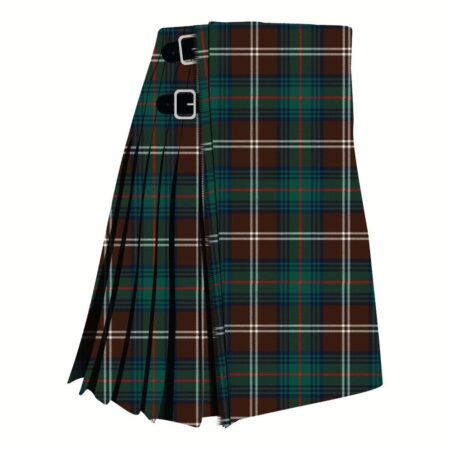 Made to order
Chisholm Hunting Modern Tartan Kilt
Original price was: £210.00.£122.00Current price is: £122.00.View →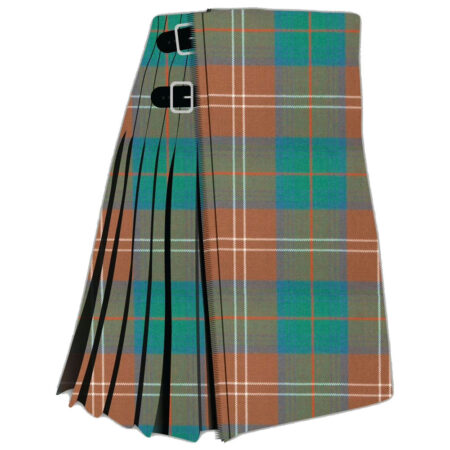 Made to order
Chisholm Hunting Ancient Tartan Kilt
Original price was: £241.80.£159.00Current price is: £159.00.View →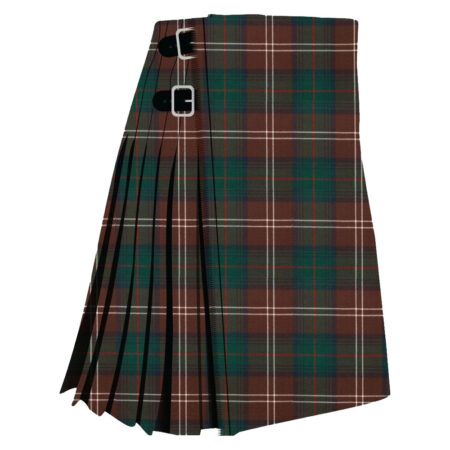 Made to order
Chisholm Hunting muted Tartan Kilt
Original price was: £241.80.£159.00Current price is: £159.00.View →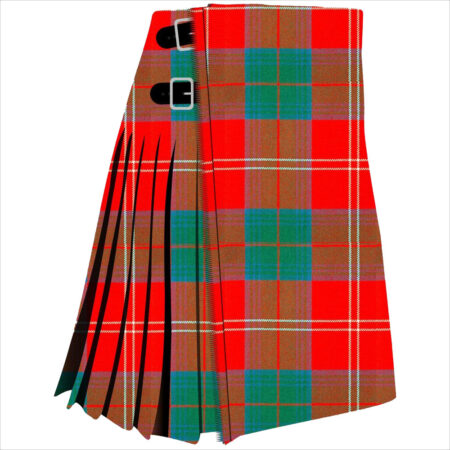 Made to order
Chisholm Red Ancient Tartan Kilt
Original price was: £241.80.£159.00Current price is: £159.00.View →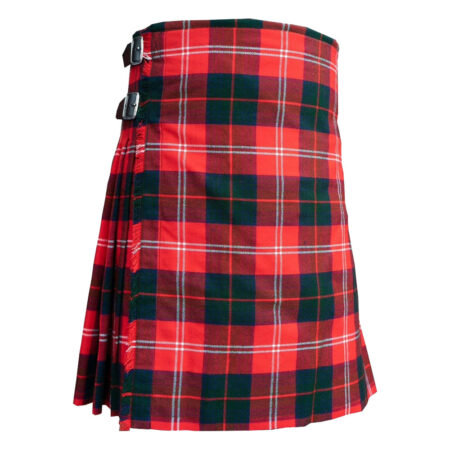 Made to order
Chisholm Red Modern Tartan Kilt
Original price was: £210.00.£122.00Current price is: £122.00.View →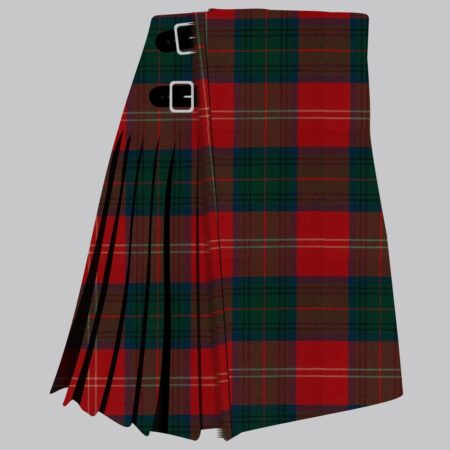 Made to order
Chisholm Ancient 1842 Variant Tartan Kilt
Original price was: £241.80.£159.00Current price is: £159.00.View →
Not the sett you were after?
All 2,107 tartans are available to order, and any of them can be cut into any style on this page.