
Home › Tartans › Cunningham Dress Mint
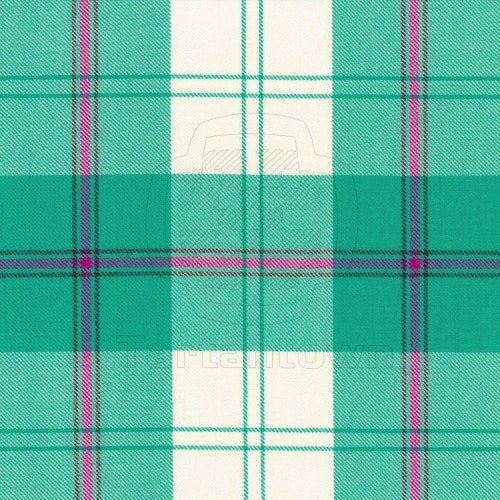
Cunningham Dress Mint Tartan
A clan and family tartan, available to order. Everything we make in Cunningham Dress Mint: kilts, kilted skirts, accessories and full Highland outfits, every piece cut to your own measurements.
- Standard
Cunningham Dress Mint Tartan · Standard
The Cunningham Dress Mint tartan, made to order by Kilt 4 Less. Choose it for a kilt, a kilted skirt, an accessory or a full Highland outfit — everything below is cut to your own measurements.
- Tartan typeClan and family tartan
- Colours in it
- Teal
- White
- How it is madeMade to order and cut to your own measurements
Choose your product
Products in Cunningham Dress Mint
Everything below can be made in the Cunningham Dress Mint tartan. Choose a product, then pick your size and options on the next page — the tartan is already selected for you.
Kiltsthree styles
 Made to order
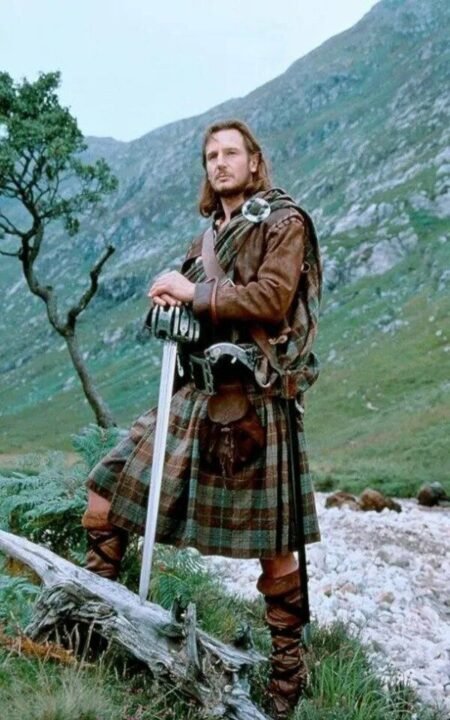
Great Kilt, 6 Yards
Available in Cunningham Dress Mint
Original price was: £205.00.£60.00Current price is: £60.00.Configure → Made to order
Tartan Utility Kilt
Available in Cunningham Dress Mint
Original price was: £110.00.£60.00Current price is: £60.00.Configure →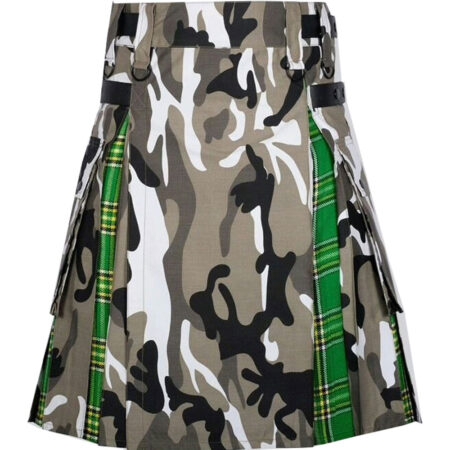 Made to order
Utility Cargo Hybrid Kilt
Available in Cunningham Dress Mint
Original price was: £110.00.£65.00Current price is: £65.00.Configure →
For womenfour styles
 Made to order
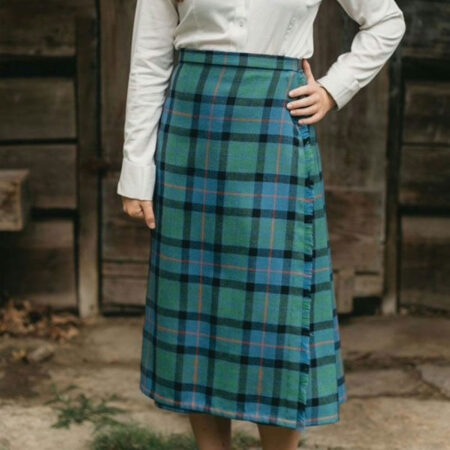
Tartan Kilt for Women
Available in Cunningham Dress Mint
Original price was: £120.00.£77.00Current price is: £77.00.Configure →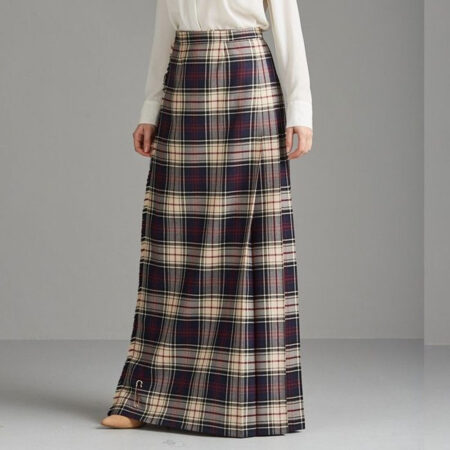 Made to order
The Classic Kilted Skirt, Maxi
Available in Cunningham Dress Mint
Original price was: £350.00.£89.00Current price is: £89.00.Configure → Made to order
Long Kilted Skirt, Maxi
Available in Cunningham Dress Mint
Original price was: £199.00.£145.00Current price is: £145.00.Configure →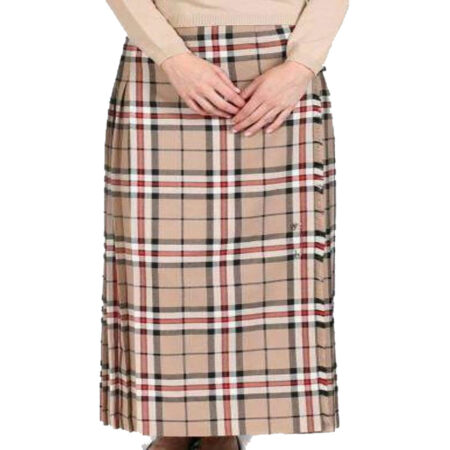 Made to order
Full Length Hostess Kilt
Available in Cunningham Dress Mint
Original price was: £135.00.£95.00Current price is: £95.00.Configure →
For childrenone style

Accessoriesfour styles
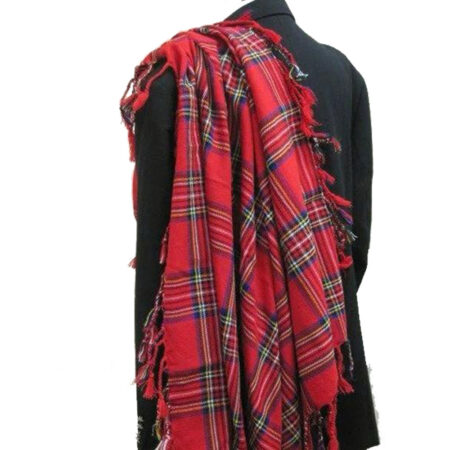 Made to order
Tartan Fly Plaid
Available in Cunningham Dress Mint
Original price was: £80.00.£45.00Current price is: £45.00.Configure →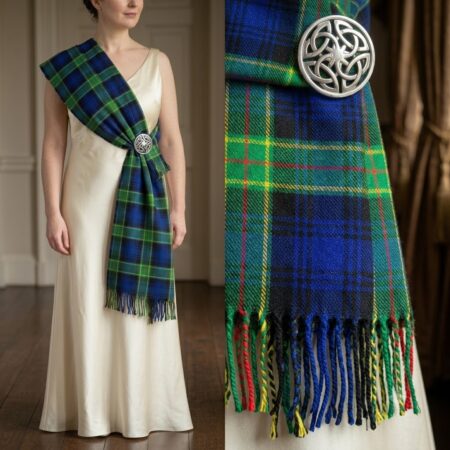 Made to order
Tartan Sash
Available in Cunningham Dress Mint
Original price was: £99.00.£49.00Current price is: £49.00.Configure →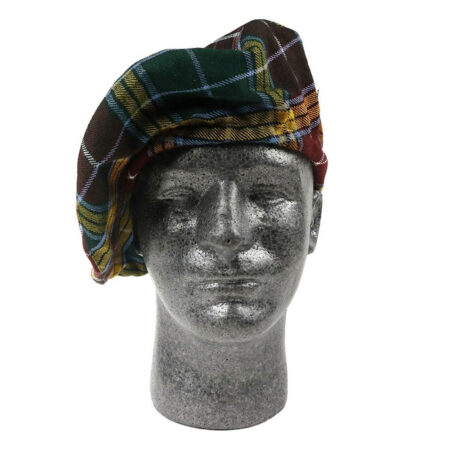
Full Highland outfits39 styles
 Made to order
Men’s 8 Yard Prince Charlie Kilt Outfit
Available in Cunningham Dress Mint
Original price was: £499.00.£315.00Current price is: £315.00.Configure → Made to order
McCalls Highland Kilt Outfit With Argyll Jacket
Available in Cunningham Dress Mint
Original price was: £510.00.£325.00Current price is: £325.00.Configure →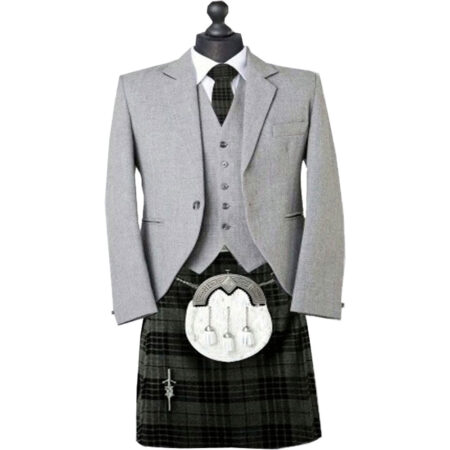 Made to order
Scottish Wedding Men Kilt Outfit
Available in Cunningham Dress Mint
Original price was: £700.00.£304.00Current price is: £304.00.Configure →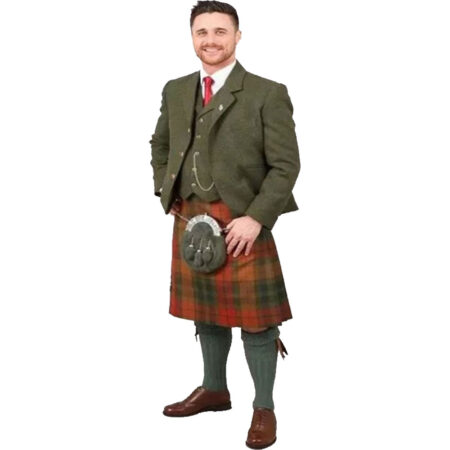 Made to order
Forest Green Tweed Jacket Kilt Outfit
Available in Cunningham Dress Mint
Original price was: £489.00.£249.99Current price is: £249.99.Configure →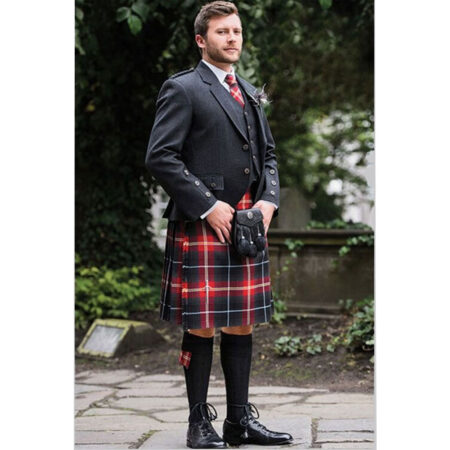 Made to order
Aberdeen Forever Tartan Argyll Kilt Outfit
Available in Cunningham Dress Mint
Original price was: £623.22.£300.00Current price is: £300.00.Configure →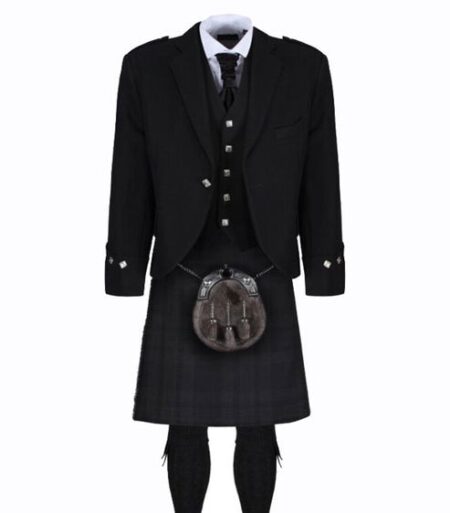 Made to order
Black Isle Argyll Jacket Kilt Outfit
Available in Cunningham Dress Mint
Original price was: £504.00.£315.00Current price is: £315.00.Configure →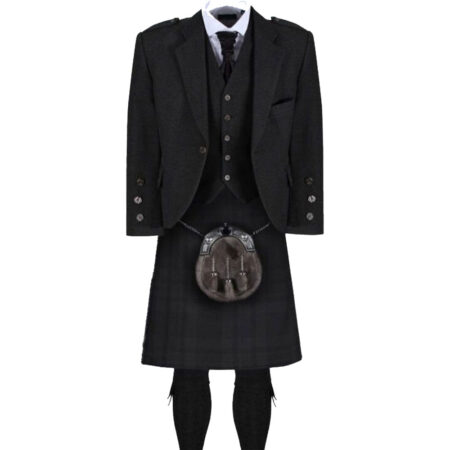 Made to order
Black Isle Dark Grey Tweed Jacket Kilt Outfit
Available in Cunningham Dress Mint
Original price was: £510.00.£315.00Current price is: £315.00.Configure →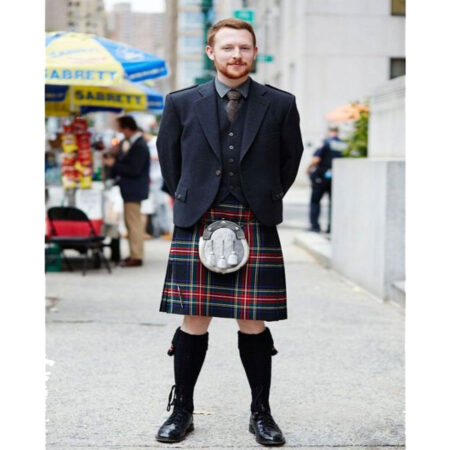 Made to order
Black Stewart Tartan Argyll Kilt Outfit
Available in Cunningham Dress Mint
Original price was: £467.22.£235.00Current price is: £235.00.Configure →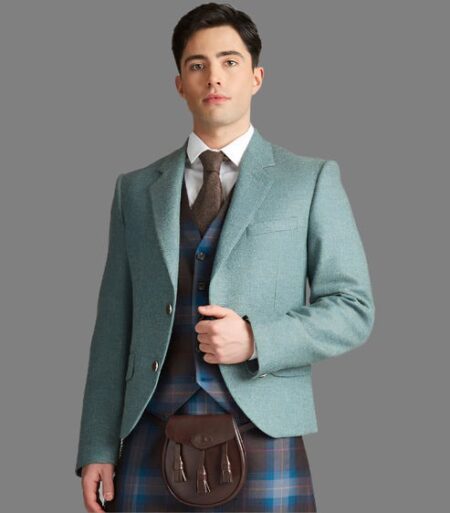 Made to order
Blue Lovat Tweed Jacket Kilt Outfit
Available in Cunningham Dress Mint
Original price was: £504.00.£350.00Current price is: £350.00.Configure →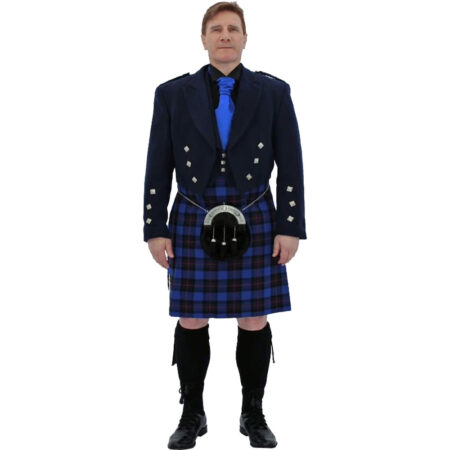 Made to order
Blue Prince Charlie Rangers Outfit
Available in Cunningham Dress Mint
Original price was: £500.00.£320.00Current price is: £320.00.Configure →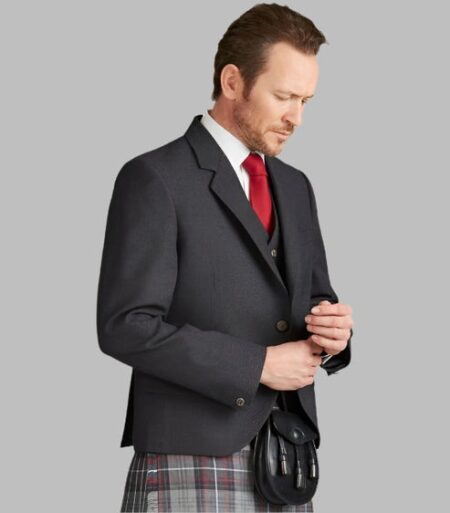 Made to order
Charcoal Grey Tweed Jacket Kilt Outfit
Available in Cunningham Dress Mint
Original price was: £504.00.£350.00Current price is: £350.00.Configure →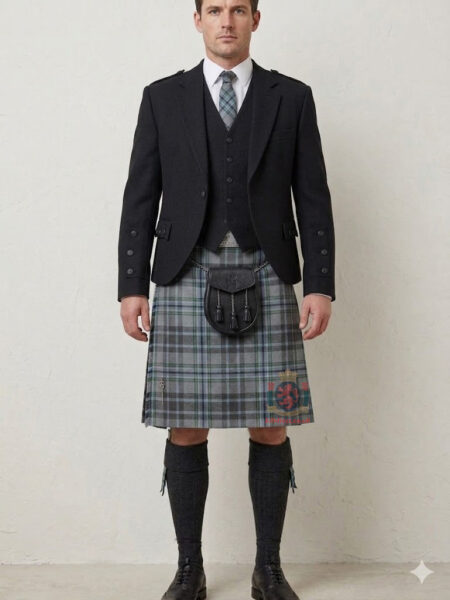 Made to order
Clan Giants Causeway JR679T Tartan Black Jacket Kilt Outfit
Available in Cunningham Dress Mint
Original price was: £545.00.£299.00Current price is: £299.00.Configure →
The sett
About the Cunningham Dress Mint tartan
The Cunningham arms carry a shakefork, and the two explanations offered for it, a barn full of hay and the office of the king’s stables, have never been reconciled.
Warnebald, and the hay
The name is territorial, from the district of Cunninghame in the north of Ayrshire, and the first holder on record is Warnebald, who received a grant of the lands between 1135 and 1140. Alongside that grant sits a much better story. Tradition has it that a Malcolm, son of Friskin, hid King Malcolm III under hay in a barn and was given the Cunningham lands for it, and that the shakefork in the arms together with the motto Over Fork Over records the act. Sir George Mackenzie preferred a duller reading, taking the charge to refer to the office of Master of the King’s Stables. The barn is tradition, the stables an interpretation, and the arms themselves settle nothing.
The family seat was Kilmaurs, and its early rise came through service in two national emergencies. Hervey de Cunningham, son of the laird of Kilmaurs, fought for Alexander III at Largs in 1263 against the Norse, and the following year had a royal charter confirming his lands. Two generations later the Cunninghams supported Robert Bruce, and in 1319 the lands of Lamburgton were added to Kilmaurs by charter. That is the pattern of the family’s advancement: land for arms, confirmed on paper.
Glencairn
Sir William Cunningham’s grandson was made Lord Kilmaurs in 1462 and afterwards Earl of Glencairn, and the earldom carried the chiefship of the name. Alexander Cunningham, first Earl, was killed with James III at Sauchieburn in 1488, while the Montgomeries stood with the victorious rebels. The fifth Earl went the other way and did well: a committed Protestant and a patron of John Knox, he was one of the commanders at Carberry Hill in 1567 where Mary surrendered, and he is said to have ordered the destruction of the Chapel Royal at Holyrood.
Annick Ford, and two centuries without a chief
The quarrel with the Montgomeries is usually traced to the bailiery of Cunninghame being granted to Lord Montgomerie’s son in 1448 or 1449, and it ran for roughly a century and a half. Its worst moment came in April 1586. Hugh Montgomery, fourth Earl of Eglinton, dined at Lainshaw Castle and was ambushed by some thirty Cunninghams as he crossed Annick Ford; his servants were cut down and the Earl shot dead, the shot attributed to John Cunningham of Clonbeith. The revenge killings that followed were thorough, and the government eventually forced a settlement. The formal end came in 1661, with the marriage of William Cunningham, ninth Earl of Glencairn and Lord High Chancellor, to Margaret Montgomery, daughter of the sixth Earl of Eglinton. The earldom fell dormant in the 1790s, and the name went without a recognised chief for more than two centuries, until 18 December 2013, when Sir John Christopher Foggo Montgomery Cunninghame, Baronet of Corsehill, was recognised by the Lord Lyon.
Erskine with a white line added
The sett is a Vestiarium pattern, published in 1842, and the most useful thing to know about it is what it sits next to. Cunningham and Erskine as printed in that book are the same design except that Cunningham adds a white stripe between the narrow green lines. The Scottish Tartans Society offered one thin thread of explanation: Cunningham was among the surnames MacGregors adopted after their own was proscribed in 1603, which gives a connection of a sort, and the Society itself called it tenuous. A version also appears in the Clans Originaux of 1880.
The dress and dance patterns sold under the name are recent and have nothing to do with the family. Hugh Macpherson, the Edinburgh kiltmaker, produced several for dancers in 1986 and 1988, including one with yellow in place of the blue and another worked in green, and the Scottish Tartans Authority notes that the Cunningham association in the United States did not recognise them. The Cunningham hunting is no better attested: it was first seen at the Santa Rosa games in 1990, it is the same pattern as a Nicolson or MacNicol hunting, and why that should be so remains unresolved. One neighbouring design has a clear reason for existing: the Ayrshire district tartan, made about 1985 by Dr Philip D. Smith for Ayrshire people without a family tartan, because the Cunninghams and the Boyds did not want their own setts used as district patterns.
Anyone, in practice
Since 2013 there is a chief again, at Corsehill. Anyone of the name, spelled Cunningham, Cunninghame or Cunyngham, and anyone descended from a Cunningham line may wear the sett. Those wearing it on the strength of a MacGregor alias should know that the connection is a tradition of the proscription years, not a documented descent.
Sources: Clan Cunningham, Wikipedia; Clan Gregor and the proscription of 1603, Wikipedia; Scottish Tartans Authority, tartan ferret records for Cunningham, Cunningham Hunting, the Cunningham dance tartans, Erskine and Ayrshire, citing Scottish Tartans Society notes and the Clans Originaux of 1880; Vestiarium Scoticum, Wikipedia.
Near neighbours
Other Cunningham Dress setts we list
This sett has no listing of its own yet. These are the Cunningham Dress tartans we list separately, all available to order in the same way.
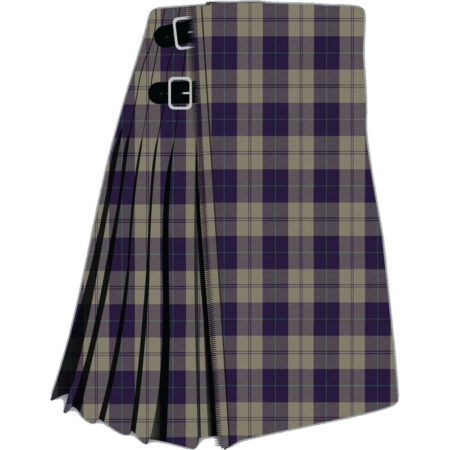 Made to order
Cunningham Dress Blue Dancers Tartan Kilt
Original price was: £241.80.£159.00Current price is: £159.00.View →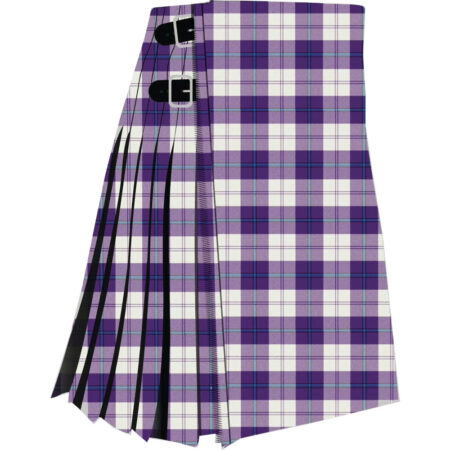 Made to order
Cunningham Dress Purple Tartan Kilt
Original price was: £241.80.£159.00Current price is: £159.00.View →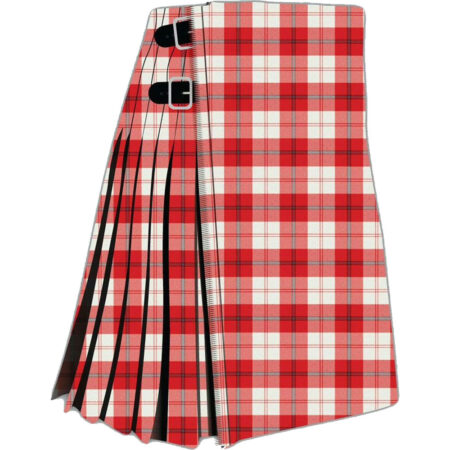 Made to order
Cunningham Dress Red Tartan Kilt
Original price was: £241.80.£159.00Current price is: £159.00.View →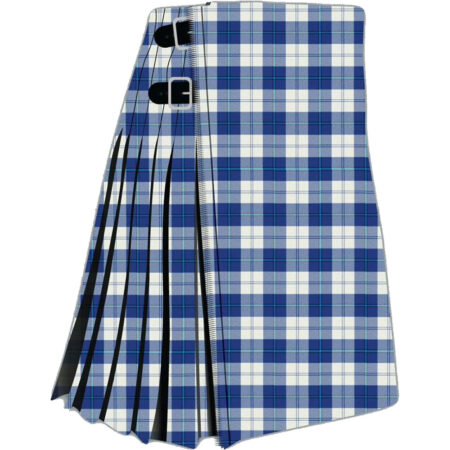 Made to order
Cunningham Dress Royal Blue Tartan Kilt
Original price was: £241.80.£159.00Current price is: £159.00.View →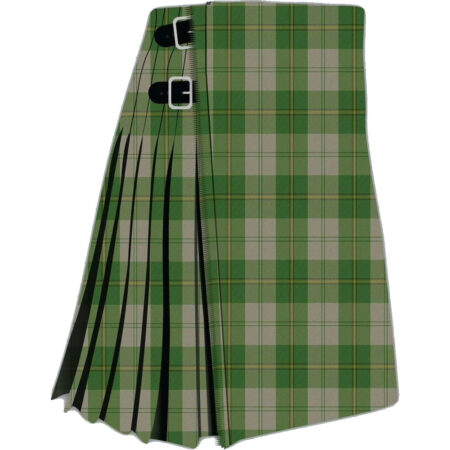 Made to order
Cunningham Dress Green Dancers Tartan Kilt
Original price was: £241.80.£159.00Current price is: £159.00.View →
Not the sett you were after?
All 2,107 tartans are available to order, and any of them can be cut into any style on this page.