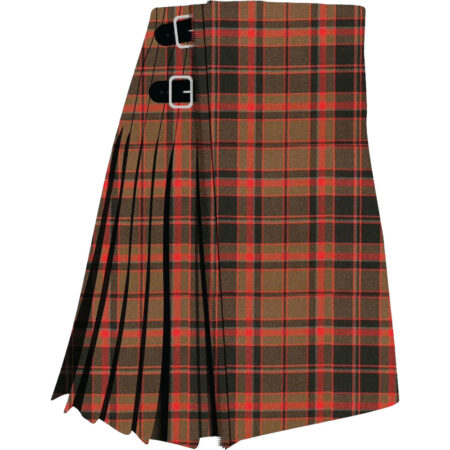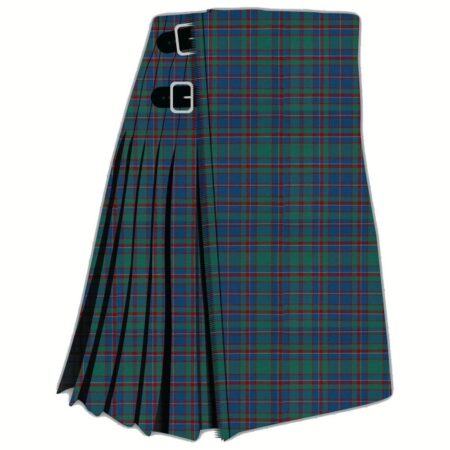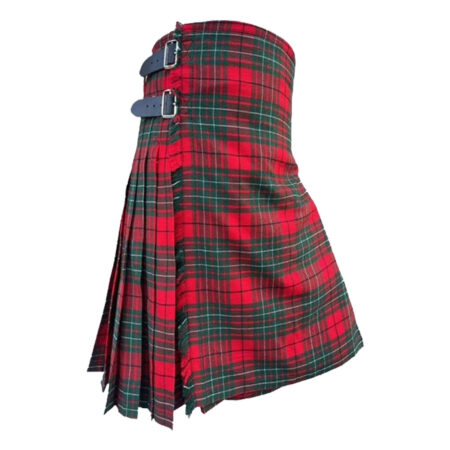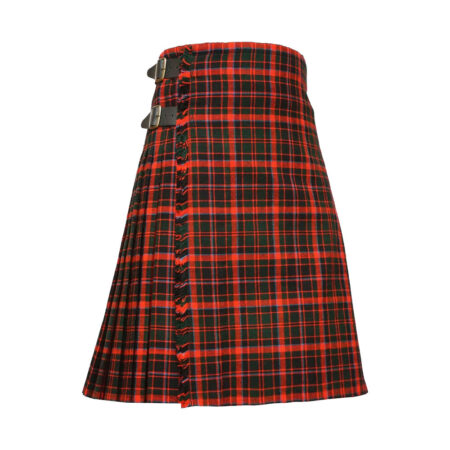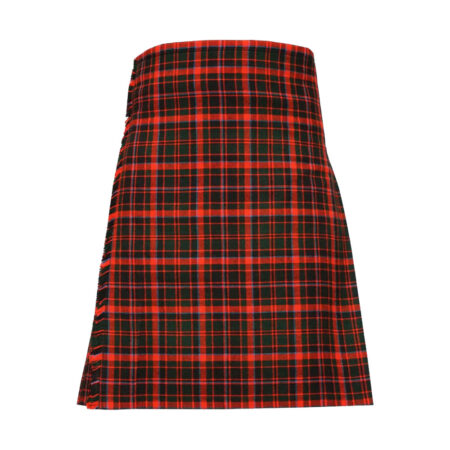
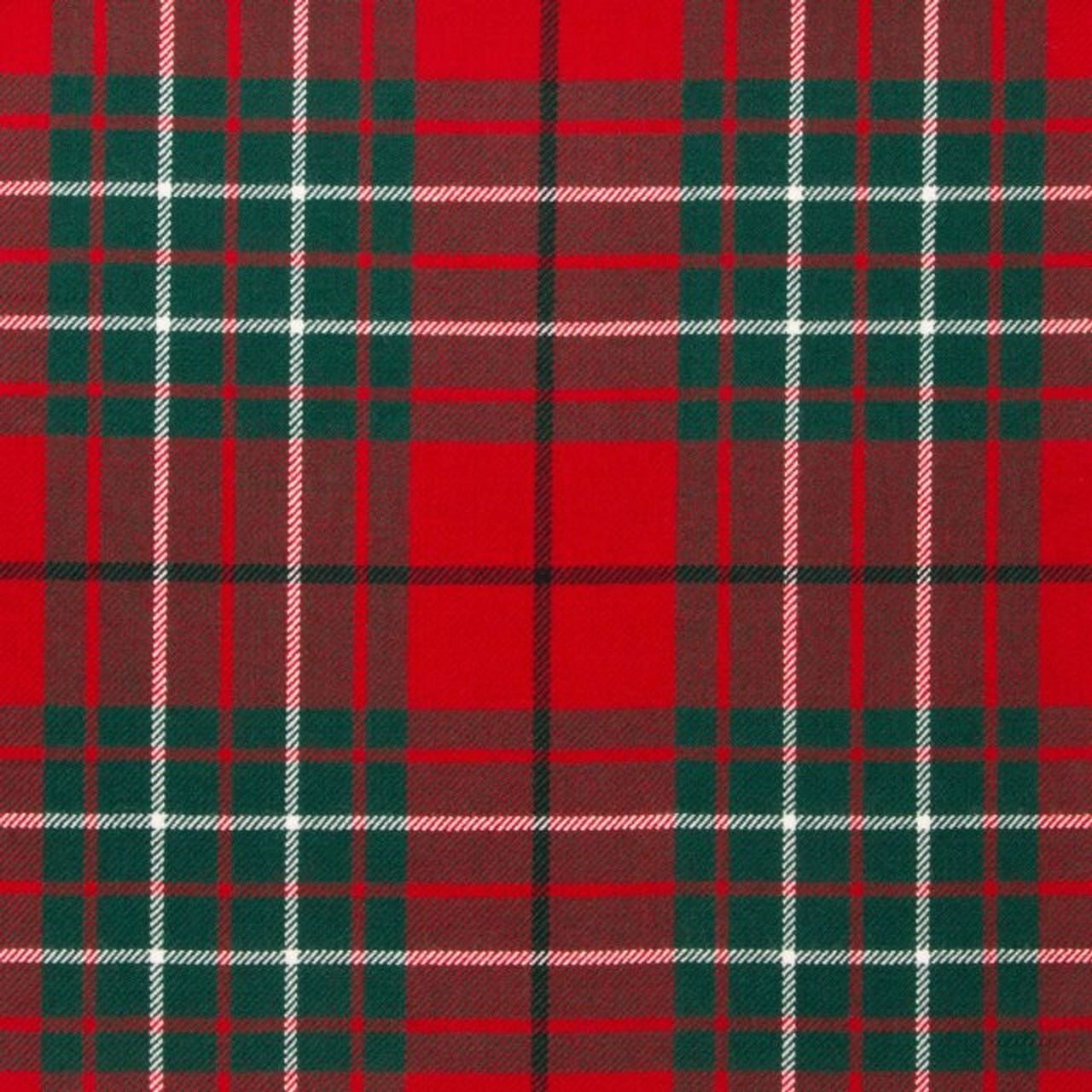
 Cumming Modern
Clan Cumming
Cumming and Comyn are the same family under two spellings. The medieval form is Comyn; the spelling had shifted to Cumming by the fifteenth century, by which time the surviving chiefly line was the Cummings of Altyre. The Gaelic is Na Cuimeinich. The origin of the name is not settled — Bosc-Bénard-Commin near Rouen in Normandy and Comines near Lille have both been proposed, and neither is proven. Robert de Comyn was made Earl of Northumberland by William the Conqueror in 1069; his grandson Richard came north with David I and was Chancellor of Scotland by 1133. From there the family rose faster and higher than any other in thirteenth-century Scotland. They held the Lordship of Badenoch, with the castle they built on an artificial island in Lochindorb, and took the Earldom of Buchan by marriage from 1214. At their height their power ran from Inverlochy in the west to Slains in the east, with further lands in Roxburghshire and, later, Altyre in Moray.
The record of that power is largely a record of confrontation. In 1244 the Comyns were compelled to swear allegiance to Henry III of England; in 1257 they seized the young Alexander III outright. From the king’s death in 1286 until 1304 they dominated Scottish government. John Comyn III of Badenoch, the Red Comyn, was Guardian of Scotland from 1298 and chief Guardian from about 1302, and defeated an English force at Roslin in February 1303. On 10 February 1306 Robert Bruce stabbed him before the high altar of the Greyfriars church at Dumfries; his kinsman Robert Comyn was killed in the same quarrel. What followed was not a feud but an extermination. Bruce’s brother Edward harried Buchan from May to late in 1308, destroying homesteads, slaughtering livestock and burning stores of grain across an earldom the Comyns had held since 1214. Bannockburn in 1314 ended any hope of restoration. The earldom passed to Henry Beaumont, whose Dundarg Castle was destroyed by Sir Andrew Murray in 1336; Beaumont fled to England and died there in 1340, and his son declined the title. One cadet line escaped: descendants of Sir Robert, using the Cumming spelling, secured Altyre in Moray and have held the chiefship since.
The Cumming tartan
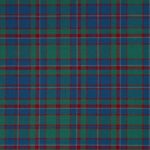
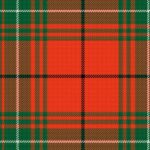
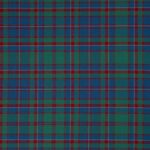
The Scottish Register of Tartans holds seven records under the name, and the striking thing is that five of them are dated in their titles. Cumming – 1810 is credited to Wilsons of Bannockburn, the Stirlingshire firm whose pattern books supplied most of the tartan trade. Cumming – 1831 is credited to James Logan, from his book The Scottish Gaël. Cumming – 1842 is credited to the Sobieski Stuarts. There are two setts titled Cumming – 1850, one credited to Thomas Smibert and one to W and A K Smith. A Cumming Hunting carries no designer, and a Gordon Cumning sett is filed under Other.
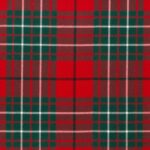
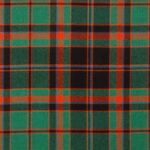
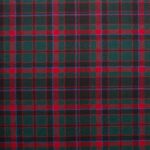
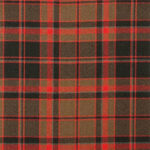
A note on honesty: not one of these existed before 1810. The Comyns of Badenoch had been broken for five hundred years by the time the first was written down, and whatever cloth they wore is entirely unrecorded. These are not variants of one ancestral pattern. They are five different threadcounts from five different nineteenth-century sources, put into print within forty years of each other by a commercial weaver and four authors competing to supply a market for clan tartans. The 1842 entry comes from the Vestiarium Scoticum, a book whose source manuscript was never produced and whose supposed 1721 copy was found in 1895 to have been chemically treated to look older. The Wilsons sett of 1810 is the best documented of the seven, and it is a weaving-trade pattern, not a clan uniform. As elsewhere, Cumming Ancient, Modern and Weathered are dye shades of a single threadcount, and the Register holds no separate record for any of them.
Clan facts
| Chief | Sir Alexander Penrose Gordon Cumming of Altyre, 7th Baronet, born 1954; seat at Altyre, Forres, Moray |
|---|---|
| Motto | Courage — given in English, without a Latin original |
| Plant badge | Cumin, a badge that puns on the name; some lists give common sallow instead |
| Lands | Badenoch, with Lochindorb; Buchan; Roxburghshire; Altyre in Moray |
References
Versions of the Cumming tartan
Cumming kilts & outfits
Every piece below is made to measure by Kilt 4 Less in the Cumming tartan. Choose a product, then pick your size and options.
Clan Cumming Hunting Weathered Tartan Kilt
Original price was: £241.80.£159.00Current price is: £159.00.View kiltCumming Or Glenorchy Tartan Kilt
Original price was: £241.80.£159.00Current price is: £159.00.View kiltClan Cumming Modern Tartan Kilt
Original price was: £241.80.£140.00Current price is: £140.00.View kiltCumming Hunting Modern Tartan Kilt
Original price was: £241.80.£159.00Current price is: £159.00.View kiltClan Cumming Hunting Modern Tartan Kilt
Original price was: £241.80.£122.00Current price is: £122.00.View kiltMen’s 8 Yard Prince Charlie Kilt Outfit
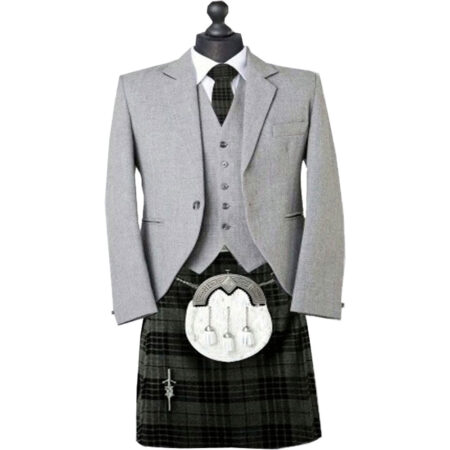
Original price was: £499.00.£315.00Current price is: £315.00.ConfigureMcCalls Highland Kilt Outfit With Argyll Jacket
Original price was: £510.00.£325.00Current price is: £325.00.ConfigureScottish Wedding Men Kilt Outfit
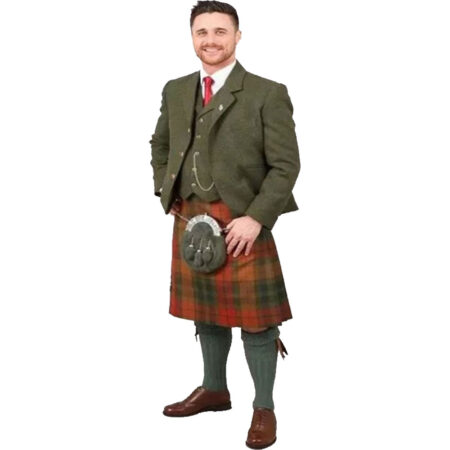
Original price was: £700.00.£304.00Current price is: £304.00.ConfigureForest Green Tweed Jacket Kilt Outfit
Original price was: £489.00.£249.99Current price is: £249.99.Configure