Clan Grant
Clan Grant is a Speyside clan whose country is Strathspey, the valley of the River Spey, together with Glen Urquhart, Glenmoriston, Stratherrick, Glencarnie, Monymusk and the lands of Freuchie. The origin of the name is disputed, and the dispute matters. The chiefly line is recorded as descending from Normans who came to Scotland in the medieval period bearing the French name le Grand, “the tall” or “the large”, which is why the clan has no native Gaelic form of its surname in the way that most Highland clans do. Against that stands an older Highland tradition placing the Grants among the Siol Alpin, the seven clans claiming descent from Kenneth MacAlpin, alongside the MacGregors, MacKinnons, Macnabs, MacAulays, Macfies and MacQuarries. The two accounts cannot both be right. The kinship with Clan Gregor was taken seriously enough at the time that in the early 1700s the two clans met at Blair Atholl for fourteen days to discuss reuniting on the strength of it.
The first Grants appear in the record in the thirteenth century, acquiring the lands of Stratherrick, and Sir Duncan le Grant of Freuchie held Strathspey by the middle of the fifteenth. Urquhart Castle on Loch Ness was in Grant hands from 1509 until 1912. At the Battle of Glenlivet in 1594 the chief ordered his men to retreat as soon as the action began. The clan supported the Covenanters through the civil wars of 1639 to 1651, and in 1694 the scattered holdings were consolidated into the Regality of Grant, at which point Freuchie Castle was renamed Castle Grant. In the rising of 1745 the chief and the main body of the clan held for the British government, while the Grants of Glenmoriston went out for the Jacobites and fought at Culloden in 1746. Sir James Grant, eighth baronet and twenty-third chief, who lived from 1738 to 1811 and was known as the Good Sir James, founded Grantown on Spey as a planned town to provide work. The earldom of Seafield came into the family through a cadet line; when the eleventh earl was killed in the First World War the earldom passed to his daughter while the chiefship and the barony of Strathspey passed to his brother Trevor, which is why the two titles have been held separately since. Castle Grant itself left the family in 1983 and is now privately owned and under restoration.
The Grant tartan
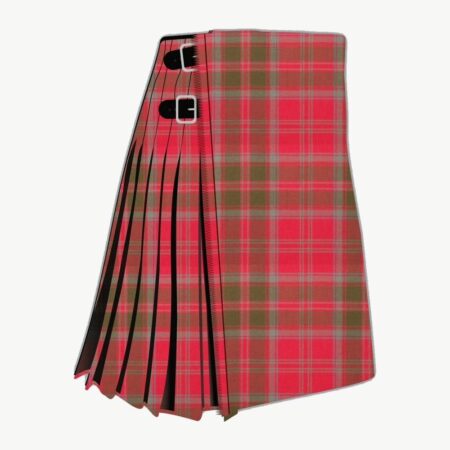
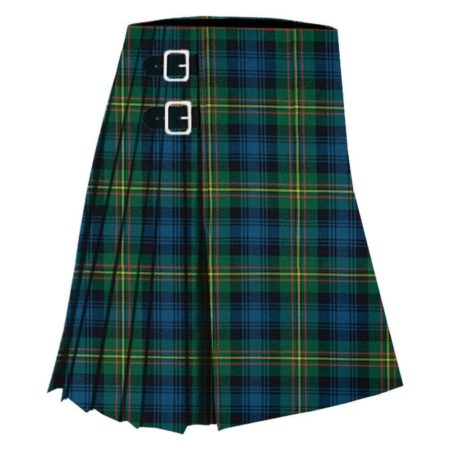
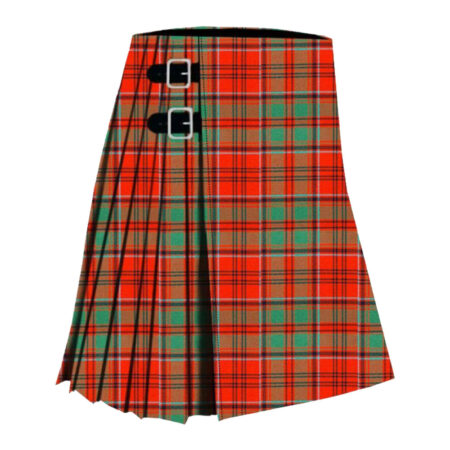
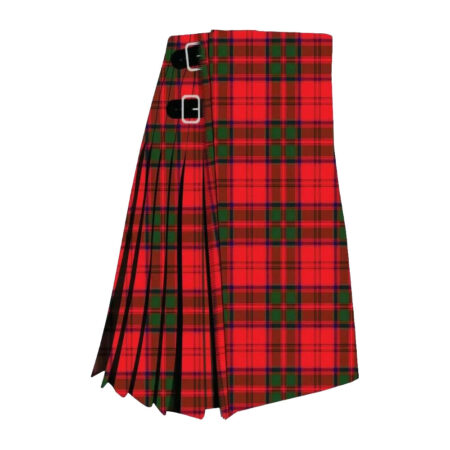
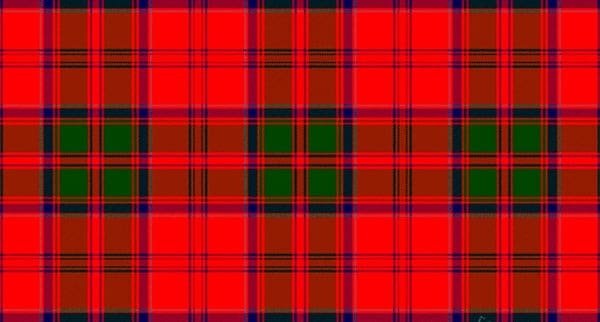
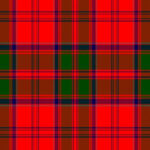
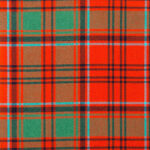
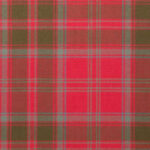
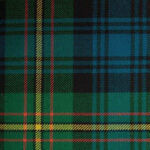
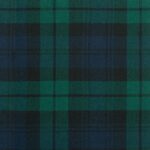
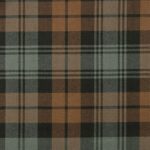
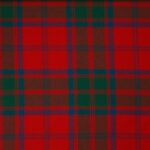
The Scottish Register of Tartans lists a number of setts under the name. Two of the oldest are recorded as patterns of Wilsons of Bannockburn and are catalogued as Grant (1819 #1) and Grant (1819 #2). A third is registered plainly as Grant (Vestiarium Scoticum), naming its source in its title. Others include Grant (1838), Grant 1714, and district and family setts for Grant of Auchnarrow, Grant of Glenmoriston and Grant of Monymusk. Grant of Ballindalloch is a modern personal tartan by Johnstons of Elgin, and the Glen Grant Distillery sett by Kinloch Anderson is a commercial design for the whisky, not a clan pattern.
A note on honesty: the Grant tartan most people buy comes from one of two sources, and neither is an ancient clan uniform. One is Wilsons of Bannockburn, a commercial weaving firm whose Grant patterns the Register dates to about 1819, seventy years after the rising of 1745 and after Highland dress had been banned and then rehabilitated as fashion. The other is the Vestiarium Scoticum, published in 1842 by the brothers who styled themselves Sobieski Stuart and claimed it reproduced a fifteenth-century manuscript of clan tartans. No such manuscript has ever been produced, the copy the brothers exhibited was found to have been chemically treated to look older than it was, and the book is now generally accepted as a fabrication. It nonetheless supplied around seventy-five designs that passed into use as official clan tartans, the Grant among them. The Register’s Grant 1714 is worth reading carefully too: it is listed with the designer unknown and no recorded date, so the 1714 is part of the name rather than evidence of a sett woven in that year. Grant Ancient, Modern and Weathered are dye shades of the same threadcount, not three tartans.
Clan facts
| Chief | Sir Michael Grant of Grant, the Lord Strathspey, 7th Baron Strathspey and Baronet of Nova Scotia, 34th Chief of Clan Grant; succeeded his brother Sir James Grant in 2023 |
|---|---|
| Motto | Stand Fast |
| Slogan | Stand Fast, Craigellachie — the rock above Aviemore where beacon fires were lit to call the clan out |
| Plant badge | Pine |
| Lands | Strathspey, Glen Urquhart, Glenmoriston, Stratherrick, Glencarnie, Freuchie and Monymusk; historic seats at Castle Grant and Urquhart Castle, the latter held from 1509 to 1912 |
References
Versions of the Grant tartan


Grant kilts & outfits
Every piece below is made to measure by Kilt 4 Less in the Grant tartan. Choose a product, then pick your size and options.
Grant Hunting Ancient Tartan Kilt
Original price was: £241.80.£122.00Current price is: £122.00.View kiltMen’s 8 Yard Prince Charlie Kilt Outfit
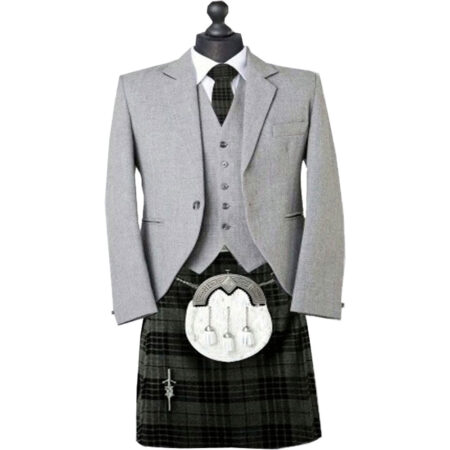
Original price was: £499.00.£315.00Current price is: £315.00.ConfigureMcCalls Highland Kilt Outfit With Argyll Jacket
Original price was: £510.00.£325.00Current price is: £325.00.ConfigureScottish Wedding Men Kilt Outfit
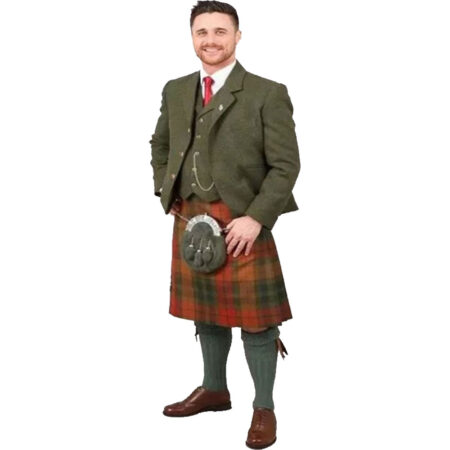
Original price was: £700.00.£304.00Current price is: £304.00.ConfigureForest Green Tweed Jacket Kilt Outfit
Original price was: £489.00.£249.99Current price is: £249.99.Configure