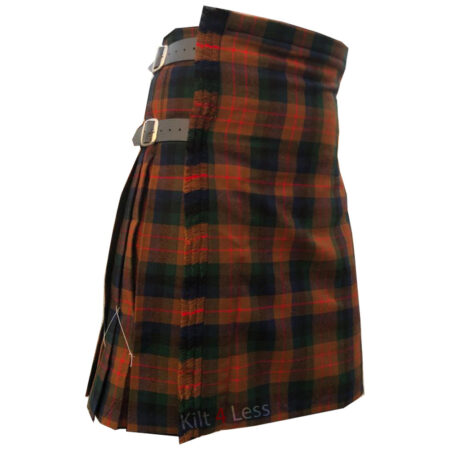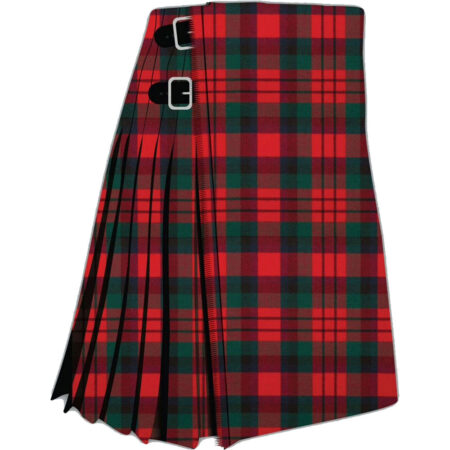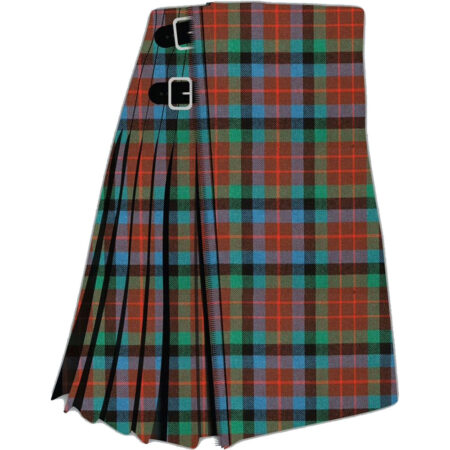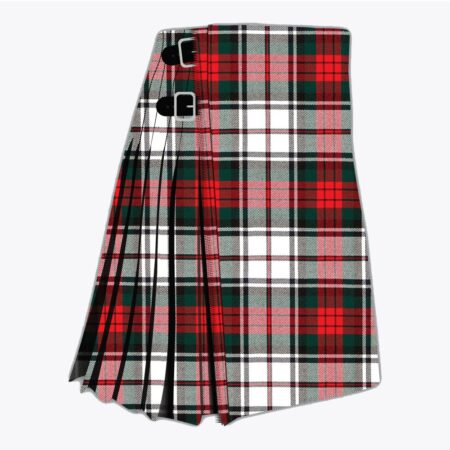
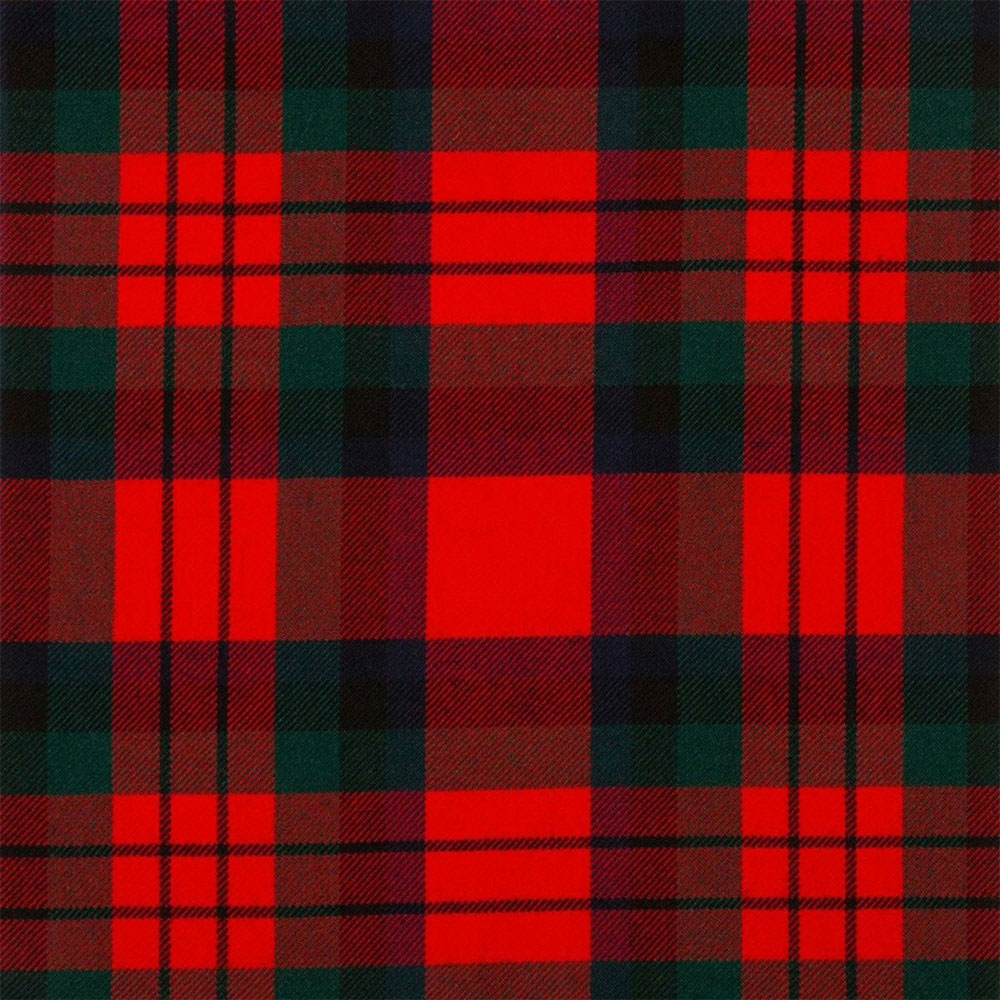
 MacDuff Modern
Clan MacDuff
Clan MacDuff, in Gaelic Mac Duibh, “son of Dubh”, from a common Gaelic personal name meaning dark or black, belongs to the old Kingdom and later Earldom of Fife, between the Firths of Forth and Tay. The clan’s seanachies traced the house to the Scoto-Pictish royal line and to Gruoch, wife of Macbeth, though that descent is traditional rather than documented. The holdings are easier to trace than the pedigree: Macduff’s Castle at East Wemyss, Cupar Castle, Falkland, and the sanctuary site of MacDuff’s Cross near Abernethy. The Earls of Fife held the premier earldom of Scotland, and its head claimed the hereditary right to set the king in place at his inauguration.
In 1306 Duncan MacDuff, Earl of Fife, was held as a ward of Edward I and so was absent when Robert the Bruce was made king at Scone; his sister Isabella performed the family office in his stead and was imprisoned for it in a cage hung at Berwick Castle. Duncan died a prisoner at Kildrummy in 1336. In 1384 Parliament recognised the office described as capitalis legis de Clenmcduffe, head of the Law of Clan MacDuff, a privilege attached to MacDuff’s Cross by which a killer within the ninth degree of kinship to the Earl of Fife could claim sanctuary and buy remission from the victim’s family. Then the line ran out: the direct male succession failed in the later fourteenth century and the earldom passed through heiresses to the Stewarts of Albany. The name returned to the peerage in 1759, when William Duff of Braco was created Earl Fife in the Peerage of Ireland after asserting, but never proving, his descent from the medieval Macduff. His descendant Alexander Duff was made Duke of Fife in 1889 on marrying Princess Louise, daughter of the future Edward VII, and died in 1912 leaving no son. The dukedom passed under a special remainder to his daughter and later, through her sister’s line, to the Carnegies; the present Duke of Fife is a Carnegie. No MacDuff and no Duff appears on the roll of the Standing Council of Scottish Chiefs.
The MacDuff tartan
The Scottish Register of Tartans returns thirteen records under MacDuff: a plain MacDuff and five numbered variants, five Dress setts, a Hunting sett, and a 1977 Dress design filed under Fashion. Only one of the thirteen carries a named designer. MacDuff #6 is credited to Wilsons of Bannockburn, the Stirlingshire firm founded around 1770 whose pattern books supplied most of the tartan trade from the late eighteenth century onwards. Every other MacDuff entry is recorded with the designer unspecified, carried into the Register from the older Scottish Tartans World Register and Scottish Tartans Authority collections rather than from a dated document of its own.
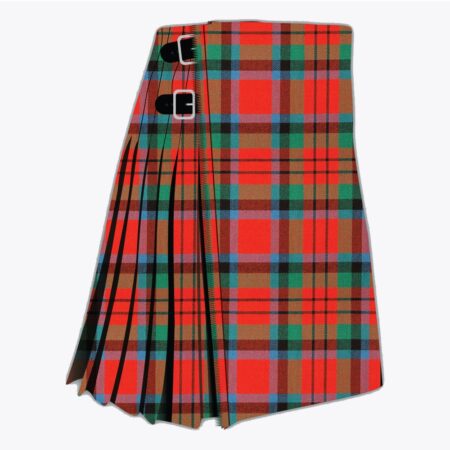
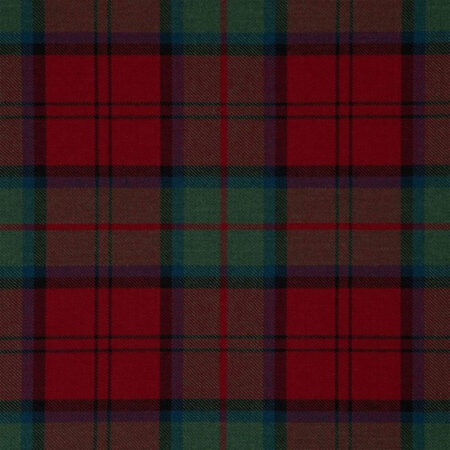
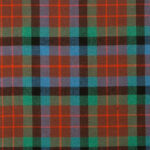
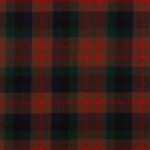
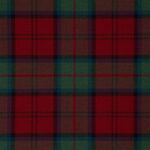
The sett in ordinary circulation is the red one. A version of it was in print by the middle of the nineteenth century and the threadcount has not drifted much since.
A note on honesty: thirteen Register entries are not thirteen ancient clan tartans. Most have no designer, no date and no stated origin, which means nobody can say who set the threadcount or when. MacDuff Ancient, Modern and Weathered are not separate tartans either; they are one threadcount woven in lighter, standard or muted dye shades, and the Register holds no separate record for any of them. The blunter point is this. The chiefly MacDuff line had been extinct some four hundred years before any of this cloth was woven, and the family that carried the name back into the peerage and the tartan trade, the Duffs of Braco, asserted a descent from the medieval Earls of Fife that they did not prove. The MacDuff tartan is a commercial pattern of the tartan boom attached to a name that had no chief to approve it, and still has none.
Clan facts
| Chief | None. Clan MacDuff is armigerous. The chiefship lapsed with Alexander Duff, 1st Duke of Fife, who died in 1912 without a son, and neither MacDuff nor Duff is listed by the Standing Council of Scottish Chiefs |
|---|---|
| Motto | Deus Juvat — “God assists” |
| Plant badge | Red whortleberry; boxwood is also given |
| Lands | Fife, between the Firths of Forth and Tay; Macduff’s Castle at East Wemyss, Cupar, Falkland, and MacDuff’s Cross near Abernethy |
References
Versions of the MacDuff tartan
MacDuff kilts & outfits
Every piece below is made to measure by Kilt 4 Less in the MacDuff tartan. Choose a product, then pick your size and options.
Clan MacDuff Hunting Modern Tartan Kilt
Original price was: £189.00.£99.00Current price is: £99.00.View kiltClan MacDuff Hunting Ancient Tartan Kilt
Original price was: £241.80.£99.00Current price is: £99.00.View kiltMacDuff Dress Modern Tartan Kilt
Original price was: £189.00.£69.00Current price is: £69.00.View kiltMacduff Muted 1842 Variant Tartan Kilt
Original price was: £241.80.£159.00Current price is: £159.00.View kiltMen’s 8 Yard Prince Charlie Kilt Outfit
Original price was: £499.00.£315.00Current price is: £315.00.ConfigureMcCalls Highland Kilt Outfit With Argyll Jacket
Original price was: £510.00.£325.00Current price is: £325.00.ConfigureScottish Wedding Men Kilt Outfit
Original price was: £700.00.£304.00Current price is: £304.00.ConfigureForest Green Tweed Jacket Kilt Outfit
Original price was: £489.00.£249.99Current price is: £249.99.Configure