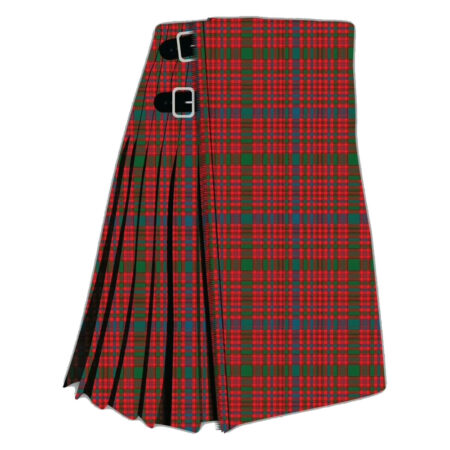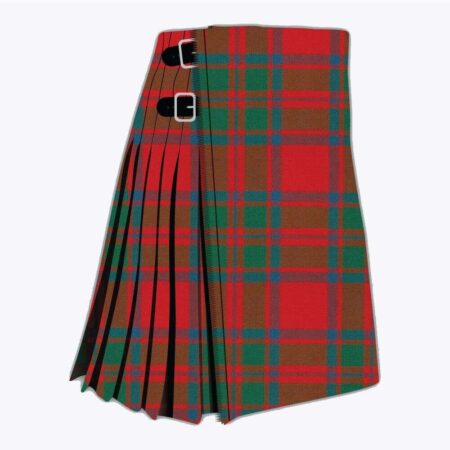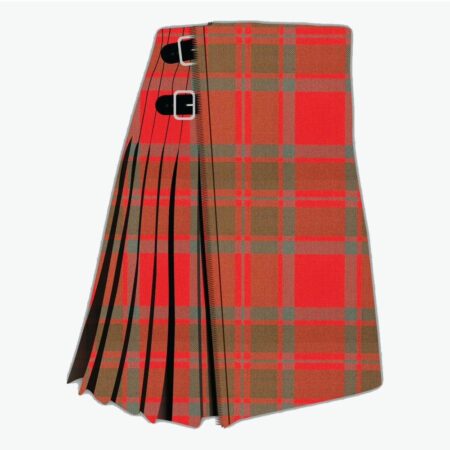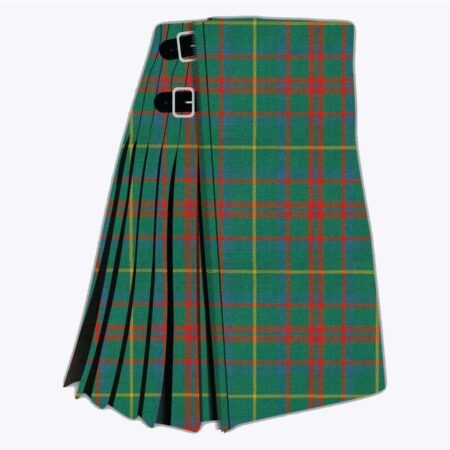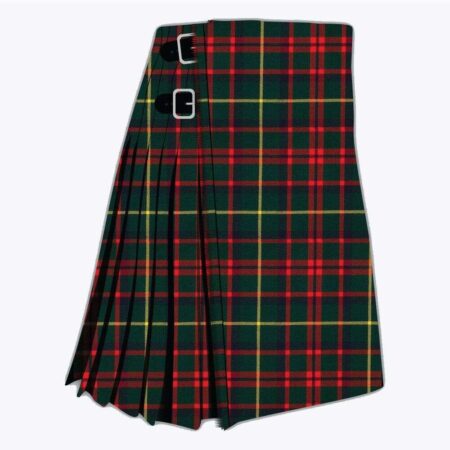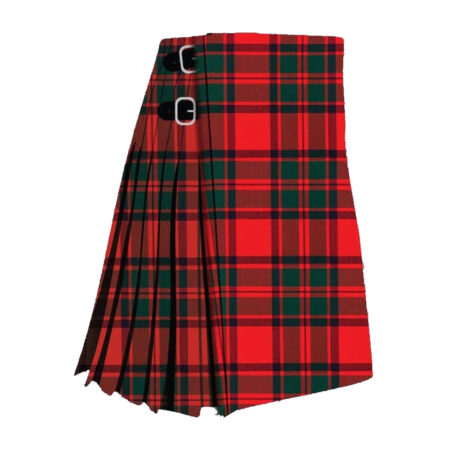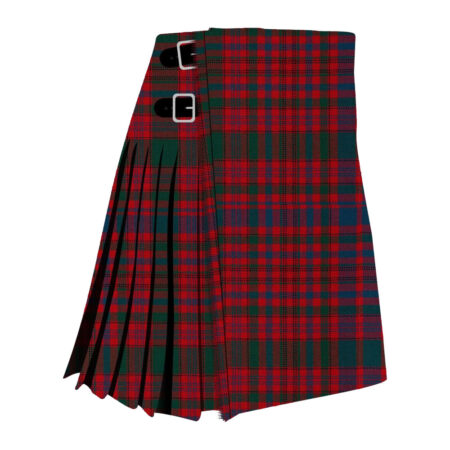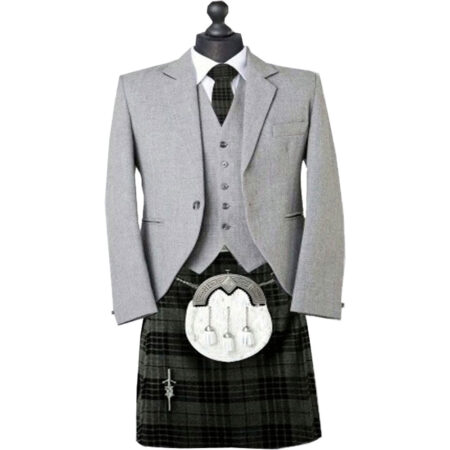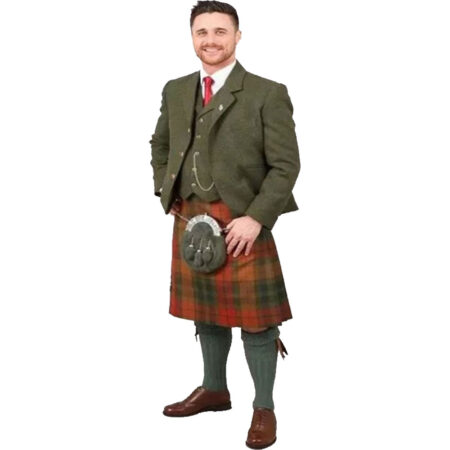
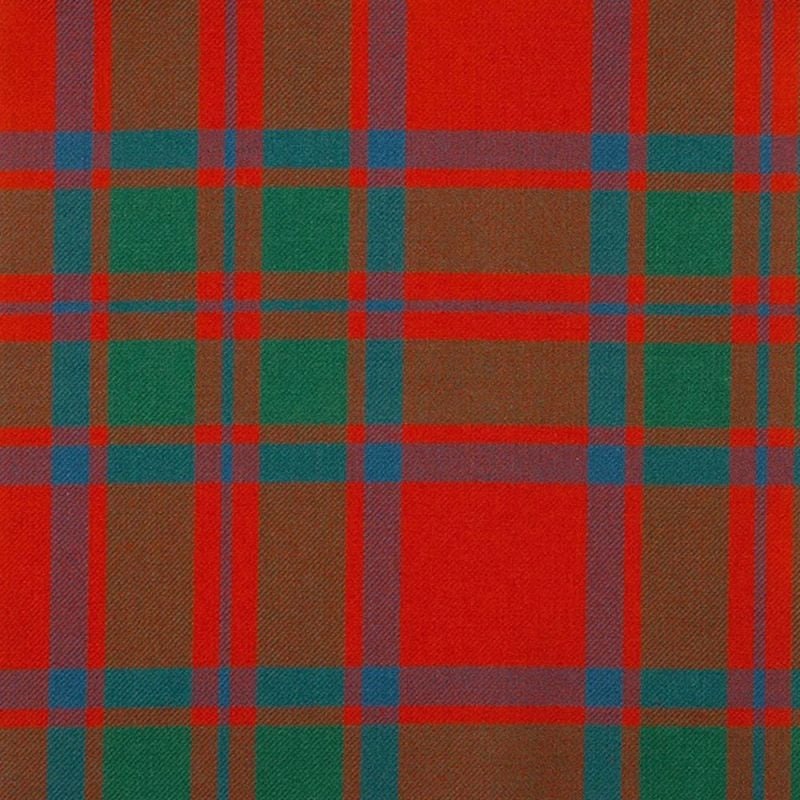
 MacIntosh Ancient
Clan Mackintosh
Clan Mackintosh, in Gaelic Clann Mhic an Tòisich, takes its name from toiseach, a leader or thane: the children of the son of the thane. The clan tradition is that Shaw MacDuff, a son of the Earl of Fife, went north with Malcolm IV in 1160 and about 1163 was made keeper of the royal castle of Inverness with lands in the valley of the Findhorn. The heartland was Petty, east of Inverness and long the burial ground of the chiefs, with Moy held since 1336 and Moy Hall still the seat. The lands ran on into Badenoch and Lochaber, and the Mackintoshes held the southern approaches to Inverness.
In 1291 Angus Mackintosh married Eva, heiress of the chief of Clan Chattan, and from that marriage the Mackintosh chief was also Captain of Clan Chattan. The distinction matters: Clan Chattan is not a clan but a confederation of independent clans, seventeen at its widest and twelve today, each keeping its own recognised chief while acknowledging a head of the confederation. The twelve are Davidson, Farquharson, MacBean, MacGillivray, Mackintosh, MacPhail, Macpherson, MacQueen, MacThomas, Shaw of Tordarroch, the MacIntyres in Badenoch and the Macleans of Dochgarroch. Succession through a woman was never accepted by everyone, and Macpherson lines have contested the Mackintosh claim to the captaincy ever since. Under Mackintosh leadership the confederation fought Clan Cameron on the North Inch at Perth in 1396 and again at the Battle of Palm Sunday in 1429. In the rising of 1745 the chief, Angus Mackintosh, was serving as a captain in the government Black Watch while his wife Anne raised the clan regiment for Prince Charles Edward Stuart and gave its command to MacGillivray of Dunmaglas. In February 1746 five of her retainers turned back five hundred government troops sent to seize the Prince at Moy, an affair remembered as the Rout of Moy; the regiment was cut to pieces at Culloden weeks later. The two chiefships parted in 1938, when the chief died without a direct male heir, and are separate offices today held by different men.
The Mackintosh tartan
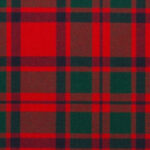
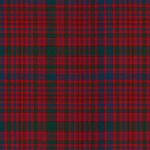
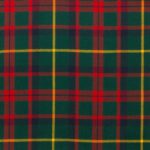
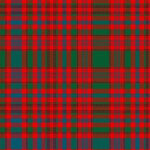
The Scottish Register of Tartans returns eight records under Mackintosh. Two are credited to Wilsons of Bannockburn, the Stirlingshire firm whose pattern books supplied the tartan trade from the late eighteenth century: the plain MacKintosh sett and a separate MacKintosh (Chief) sett, which is a different pattern, not a variant of the first. One further entry is recorded simply as MacKintosh (1842), with no designer named. MacKintosh Dress #2 is credited to D. C. Dalgliesh of Selkirk; Dress #1, Hunting and Geddes all carry the designer unspecified. A MacIntosh (Moy Hall Plaid) is filed separately under Other.
The eighth record is worth flagging because it is bought by mistake. Charles Rennie Mackintosh, recorded on 24 July 2009 and designed by Charles Randak, is a Fashion tartan named for the Glasgow architect. It has no connection to the clan.
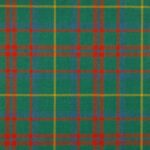
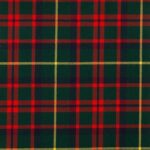
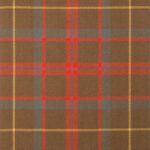
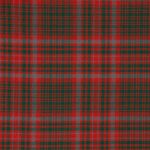
A note on honesty: there has never been one Mackintosh tartan. The two best-attested setts are both commercial patterns out of Wilsons of Bannockburn’s books, and the firm’s own separate Chief’s sett shows a trade producing variants for a market rather than reproducing a fixed clan uniform. The Hunting and Geddes setts have no designer and no date on record at all, so nobody can say who set them or when. Mackintosh Ancient, Modern and Weathered are not three tartans; they are one threadcount woven in lighter, standard or muted dye shades, and the Register holds no separate entry for any of them. What is genuinely old here is the chiefship and the confederation, documented from the thirteenth century. The cloth is trade goods of the century after Culloden.
Clan facts
| Chief | John Lachlan Mackintosh of Mackintosh, 31st Chief of Clan Mackintosh, listed by the Standing Council of Scottish Chiefs. The chiefship of Clan Chattan is a separate office, held by Malcolm Mackintosh of Torcastle, 33rd Chief of Clan Chattan; the two parted in 1938 |
|---|---|
| Motto | Touch Not the Cat Bot a Glove — “bot” is “without”: handle the wildcat gloved, or not at all |
| Plant badge | Red whortleberry, Gaelic braoileag |
| Lands | Petty and Moy south and east of Inverness, running into Badenoch and Lochaber; seat at Moy Hall |
References
Versions of the Mackintosh tartan

Mackintosh kilts & outfits
Every piece below is made to measure by Kilt 4 Less in the Mackintosh tartan. Choose a product, then pick your size and options.
MacKintosh Moy Hall Plaid Modern Tartan Kilt
Original price was: £241.80.£159.00Current price is: £159.00.View kiltClan MacIntosh Ancient Tartan Kilt
Original price was: £241.80.£159.00Current price is: £159.00.View kiltClan MacIntosh Weathered Tartan Kilt
Original price was: £241.80.£159.00Current price is: £159.00.View kiltClan MacIntosh Hunting Ancient Tartan Kilt
Original price was: £241.80.£159.00Current price is: £159.00.View kiltClan MacIntosh Hunting Modern Tartan Kilt
Original price was: £210.00.£122.00Current price is: £122.00.View kiltMacIntosh Clan Modern Tartan Kilt
Original price was: £189.00.£85.00Current price is: £85.00.View kiltMacintosh Moy Hall Plaid Tartan Kilt
Original price was: £241.80.£159.00Current price is: £159.00.View kiltMen’s 8 Yard Prince Charlie Kilt Outfit
Original price was: £499.00.£315.00Current price is: £315.00.ConfigureMcCalls Highland Kilt Outfit With Argyll Jacket
Original price was: £510.00.£325.00Current price is: £325.00.ConfigureScottish Wedding Men Kilt Outfit
Original price was: £700.00.£304.00Current price is: £304.00.ConfigureForest Green Tweed Jacket Kilt Outfit
Original price was: £489.00.£249.99Current price is: £249.99.Configure