
Black Watch Tartan
A clan and family tartan, available to order. Everything we make in Black Watch: kilts, kilted skirts, accessories and full Highland outfits, every piece cut to your own measurements.
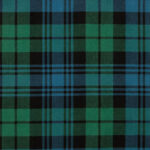 Ancient
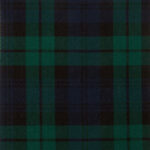 Modern
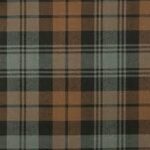 Weathered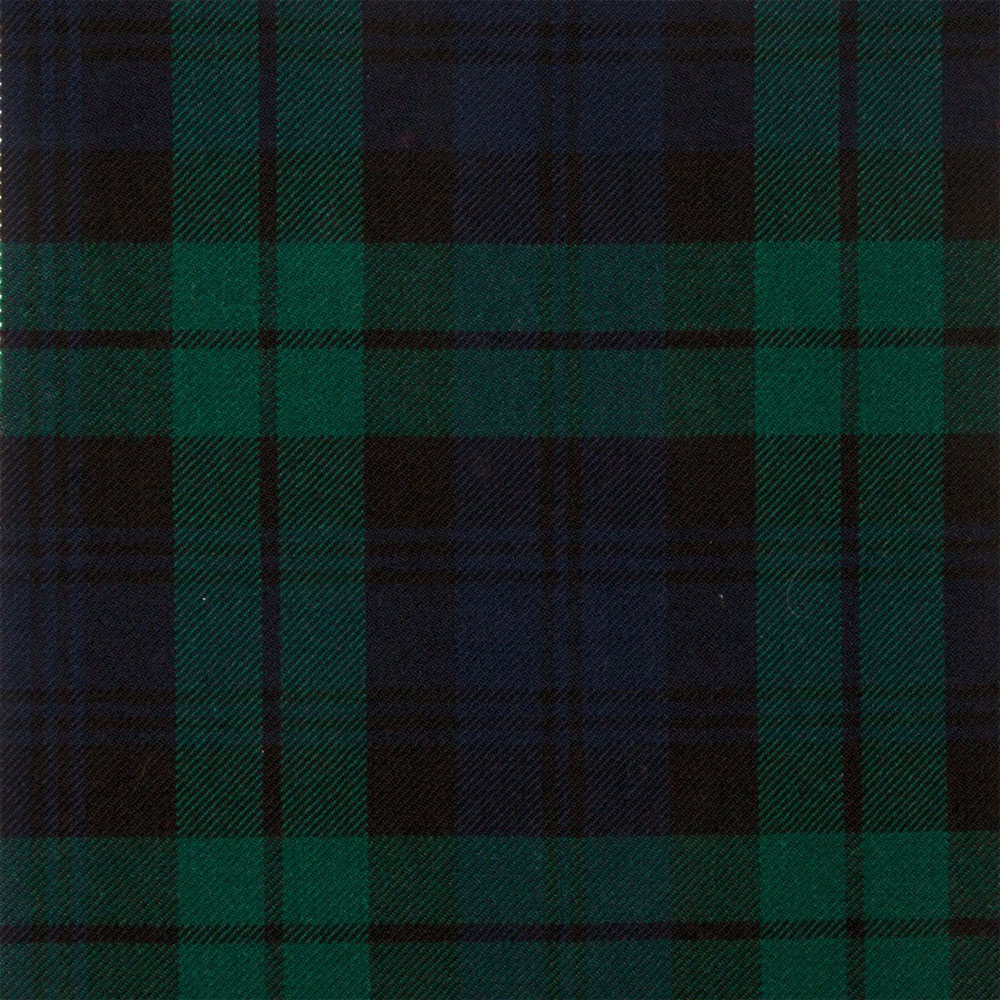
Black Watch Tartan · Standard
The Black Watch tartan, made to order by Kilt 4 Less. Choose it for a kilt, a kilted skirt, an accessory or a full Highland outfit — everything below is cut to your own measurements.
- Tartan typeClan and family tartan
- Colours in it
- Black
- Green
- Settings availableAncient, Modern and Weathered
- How it is madeMade to order and cut to your own measurements
Choose your product
Products in Black Watch
Everything below can be made in the Black Watch tartan. Choose a product, then pick your size and options on the next page — the tartan is already selected for you.
Listed in this tartaneight items
 Listed in this tartan
Black Watch Tartan Vest
Available in Black Watch
Original price was: £100.00.£69.00Current price is: £69.00.View → Listed in this tartan
Black Watch Tartan Silver Cantle Sporran With Chain
Available in Black Watch
£60.00View → Listed in this tartan
Black Watch Modern Tartan Kilt
Available in Black Watch
Original price was: £189.00.£89.00Current price is: £89.00.View → Listed in this tartan
Black Watch Tartan Kilt For Men
Available in Black Watch
Original price was: £210.00.£99.00Current price is: £99.00.View →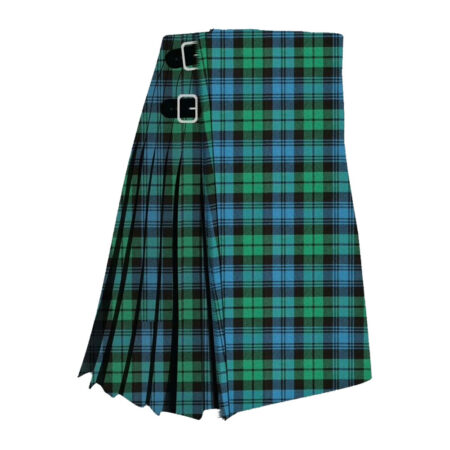 Listed in this tartan
Black Watch Ancient Tartan Kilt
Available in Black Watch
Original price was: £189.00.£79.00Current price is: £79.00.View → Listed in this tartan
Black Watch Weathered Tartan Kilt
Available in Black Watch
Original price was: £210.00.£79.00Current price is: £79.00.View →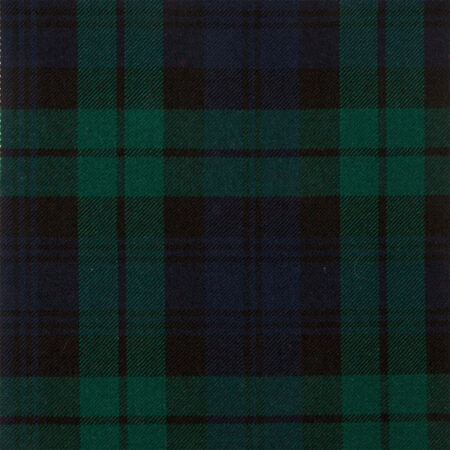
 Listed in this tartan
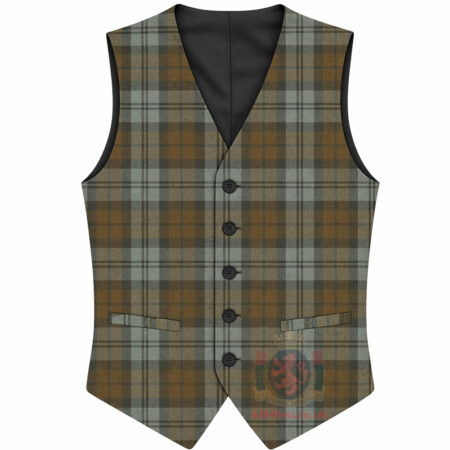
Black Watch Weathered Tartan Vest
Available in Black Watch
Original price was: £150.00.£59.00Current price is: £59.00.View →
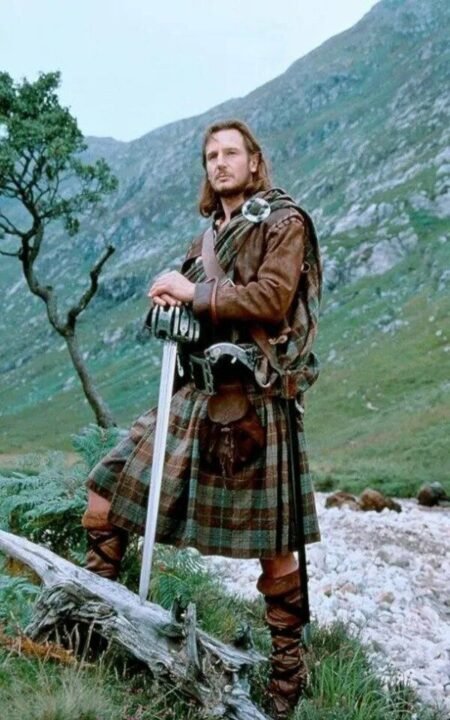
Kiltsthree styles
 Made to order
Great Kilt, 6 Yards
Available in Black Watch
Original price was: £205.00.£60.00Current price is: £60.00.Configure → Made to order
Tartan Utility Kilt
Available in Black Watch
Original price was: £110.00.£60.00Current price is: £60.00.Configure →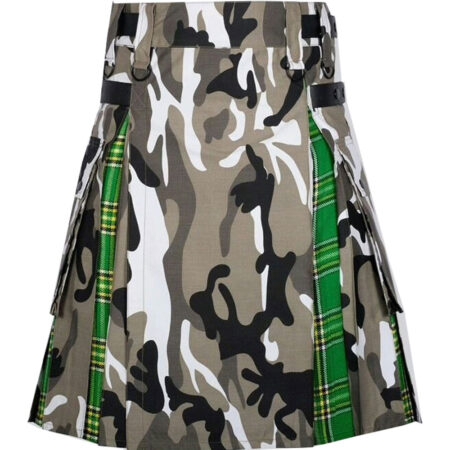 Made to order
Utility Cargo Hybrid Kilt
Available in Black Watch
Original price was: £110.00.£65.00Current price is: £65.00.Configure →
For womenfour styles
 Made to order
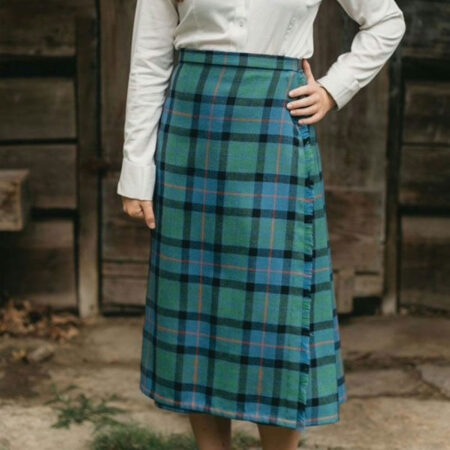
Tartan Kilt for Women
Available in Black Watch
Original price was: £120.00.£77.00Current price is: £77.00.Configure →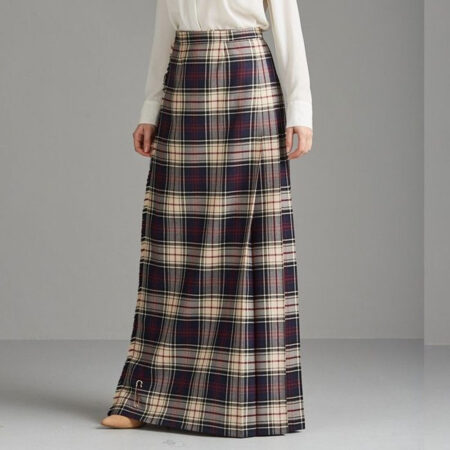 Made to order
The Classic Kilted Skirt, Maxi
Available in Black Watch
Original price was: £350.00.£89.00Current price is: £89.00.Configure → Made to order
Long Kilted Skirt, Maxi
Available in Black Watch
Original price was: £199.00.£145.00Current price is: £145.00.Configure →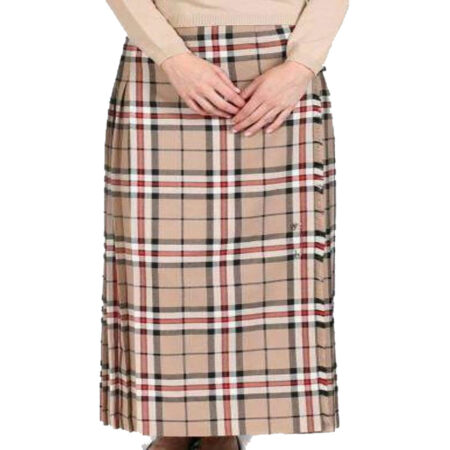 Made to order
Full Length Hostess Kilt
Available in Black Watch
Original price was: £135.00.£95.00Current price is: £95.00.Configure →
For childrenone style

Accessoriesfour styles
 Made to order
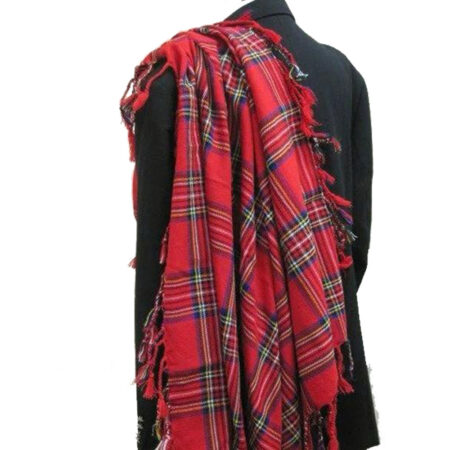
Tartan Fly Plaid
Available in Black Watch
Original price was: £80.00.£45.00Current price is: £45.00.Configure →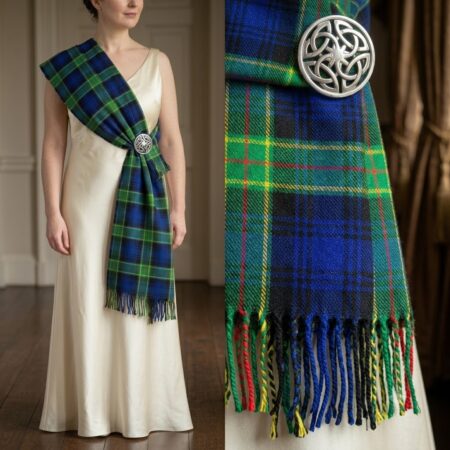 Made to order
Tartan Sash
Available in Black Watch
Original price was: £99.00.£49.00Current price is: £49.00.Configure →
Full Highland outfits39 styles
 Made to order
Men’s 8 Yard Prince Charlie Kilt Outfit
Available in Black Watch
Original price was: £499.00.£315.00Current price is: £315.00.Configure → Made to order
McCalls Highland Kilt Outfit With Argyll Jacket
Available in Black Watch
Original price was: £510.00.£325.00Current price is: £325.00.Configure →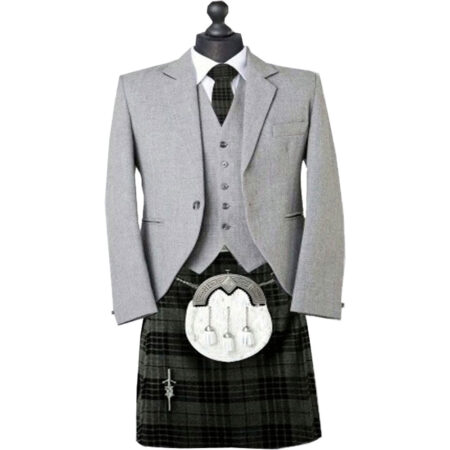 Made to order
Scottish Wedding Men Kilt Outfit
Available in Black Watch
Original price was: £700.00.£304.00Current price is: £304.00.Configure →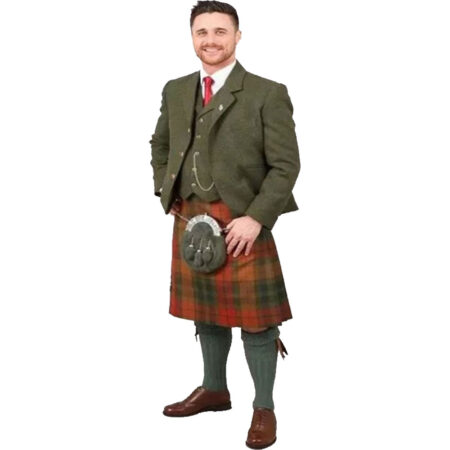 Made to order
Forest Green Tweed Jacket Kilt Outfit
Available in Black Watch
Original price was: £489.00.£249.99Current price is: £249.99.Configure →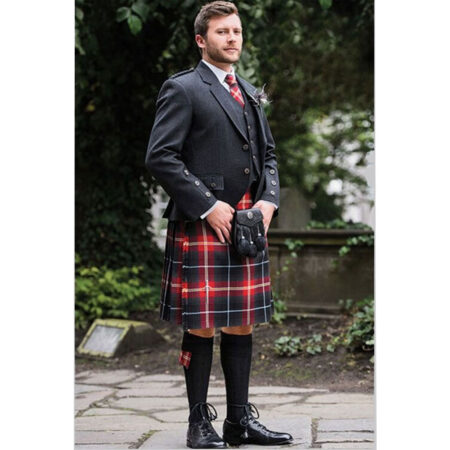 Made to order
Aberdeen Forever Tartan Argyll Kilt Outfit
Available in Black Watch
Original price was: £623.22.£300.00Current price is: £300.00.Configure →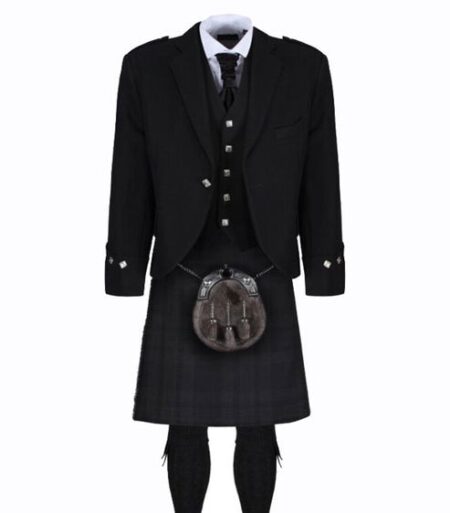 Made to order
Black Isle Argyll Jacket Kilt Outfit
Available in Black Watch
Original price was: £504.00.£315.00Current price is: £315.00.Configure →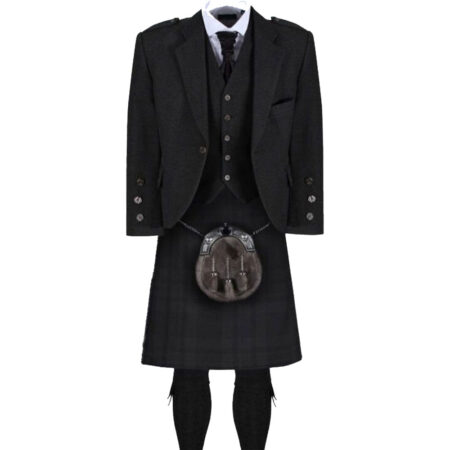 Made to order
Black Isle Dark Grey Tweed Jacket Kilt Outfit
Available in Black Watch
Original price was: £510.00.£315.00Current price is: £315.00.Configure →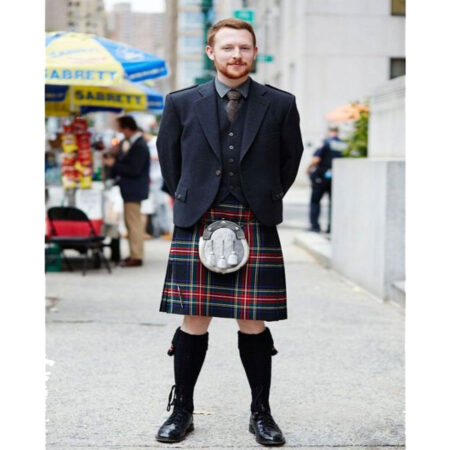 Made to order
Black Stewart Tartan Argyll Kilt Outfit
Available in Black Watch
Original price was: £467.22.£235.00Current price is: £235.00.Configure →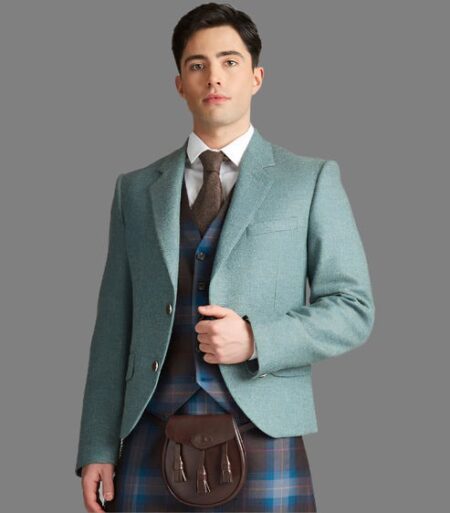 Made to order
Blue Lovat Tweed Jacket Kilt Outfit
Available in Black Watch
Original price was: £504.00.£350.00Current price is: £350.00.Configure →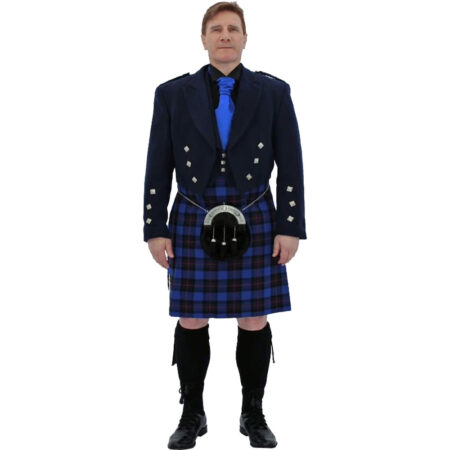 Made to order
Blue Prince Charlie Rangers Outfit
Available in Black Watch
Original price was: £500.00.£320.00Current price is: £320.00.Configure →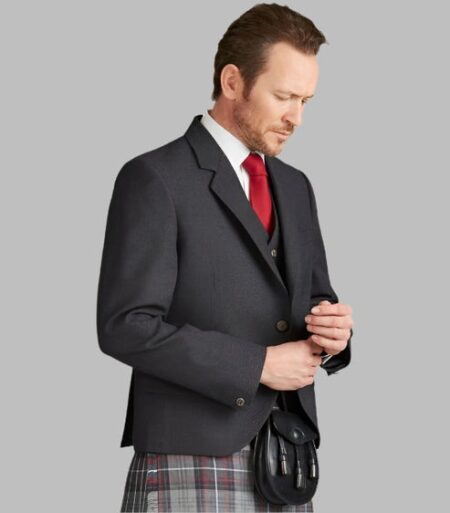 Made to order
Charcoal Grey Tweed Jacket Kilt Outfit
Available in Black Watch
Original price was: £504.00.£350.00Current price is: £350.00.Configure →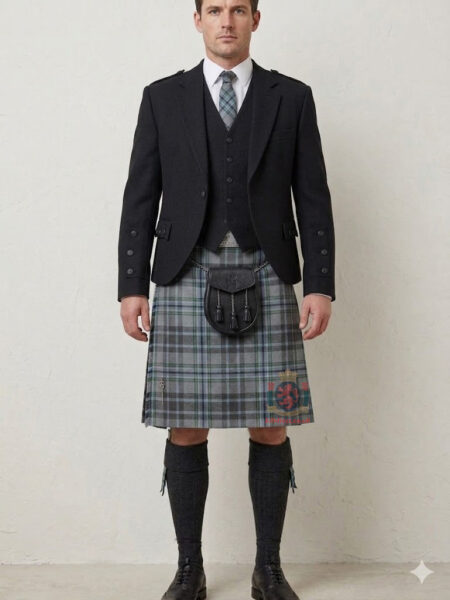 Made to order
Clan Giants Causeway JR679T Tartan Black Jacket Kilt Outfit
Available in Black Watch
Original price was: £545.00.£299.00Current price is: £299.00.Configure →
The sett
About the Black Watch tartan
The most-worn tartan in the world has no designer, no clan and no agreed origin — and that is the interesting part.
A pattern with no author
Almost every tartan on this site can be traced to somebody: a weaver, a registrant, a date. Black Watch cannot. It arrives already in service, and the documents that survive record it being worn rather than being made.
The trail begins in 1725, when General George Wade raised six Independent Highland Companies to police the Highlands after the 1715 rising. They were drawn from loyalist clans — three companies from Clan Campbell, one each from Munro, Fraser of Lovat and Grant. They wore a dark tartan of blue, green and black, and the Gaelic name that stuck to them, Am Freiceadan Dubh, the Black Watch, has been explained two ways: from the sombre cloth, and from the unpopularity of the work. Both readings are old. Neither can be proved from the record, and anyone who tells you firmly which is correct has gone past the evidence.
Four more companies were added in 1739. The ten were regimented as the 43rd Highland Regiment of Foot and first mustered at Aberfeldy in May 1740. The regiment was renumbered 42nd in 1748 after Oglethorpe’s Regiment was disbanded, and formally titled the 42nd (Highland) Regiment of Foot in 1751 — which is why the same sett is still called the 42nd in military tailoring.
What none of this tells us is who set the threads. The likeliest reading is that the regimental sett was not invented at all but adapted: the companies already had a dark tartan, and the double black over-check was added to mark the regiment. That is a reconstruction, not a record.
Why it is called Government No. 1
The same pattern is issued as Government Sett No. 1, and that name explains its reach. Rather than design new regimental tartans from nothing, the army treated Black Watch as a base and added coloured over-checks: red and white for the Seaforth and MacLeod’s Highlanders, yellow for the Gordons, doubled red for the 42nd’s drummers. Several clan tartans were built the same way — Forbes, Lamont, MacRae and Urquhart among them — which is why so many setts look like Black Watch wearing a stripe.
It also travels under clan names. Campbell of the older pattern, Grant Hunting, Sutherland and Munro Hunting are the same arrangement of threads. If your family tartan is one of those, you are wearing Black Watch, and a weaver would put the same warp on the loom.
Reading the sett
Blue and green in broad blocks, separated and framed by black, with fine black over-checks running across both. No red, no white, no yellow — the absence is what gives it the weight people describe as sober. Because the three colours are close in value, it reads almost as a solid dark cloth at a distance and only resolves into a check close up, which is exactly the quality that made it useful on a hillside and later made it acceptable in rooms where a bright tartan would not be.
Ancient, Modern and Weathered are the same threadcount in different dye depths. Modern is the deep near-black blue and bottle green; Ancient lifts both toward the lighter vegetable-dye range; Weathered takes them toward brown and slate, as cloth goes when it has been outdoors. The pattern does not change — only the colour.
Wearing it
Black Watch is the standard answer to “I have no family tartan.” Nobody’s permission is needed, no clan claims it against anyone, and it is dark enough for a funeral and formal enough for a black-tie wedding. It is also the sett most often chosen when a kilt has to work more than once a year, because it goes with more than it clashes with.
Sources: National Army Museum, The Black Watch (Royal Highlanders); 42nd Regiment of Foot; Regimental tartan; Scottish Register of Tartans.
Near neighbours
Other Black Watch setts
The same pattern in different depths of colour. Any of them can be made up in any style above.
Not the sett you were after?
All 2,107 tartans are available to order, and any of them can be cut into any style on this page.